When the world of tradition and pomp meets the raw essence of humanity, unexpected ripples spread across the pages of history. Such was the case in January 1936, at the somber moment of transition for the British monarchy. King George V, a steadfast figure amidst the tides of change, had passed away at Sandringham House, leaving behind a nation and family cloaked in mourning. As his body was being prepared to journey from Norfolk to London by funeral train, Queen Mary was expected to remain behind, cloistered within the walls of her residence. This time, however, she defied the script. In a moment of personal conviction that surprised her retinue and endeared her to the public, Queen Mary quietly made her way to board the train, her presence an unscripted tribute to a life spent side-by-side with her king.
A Life of Regal Duty and Unyielding Protocol
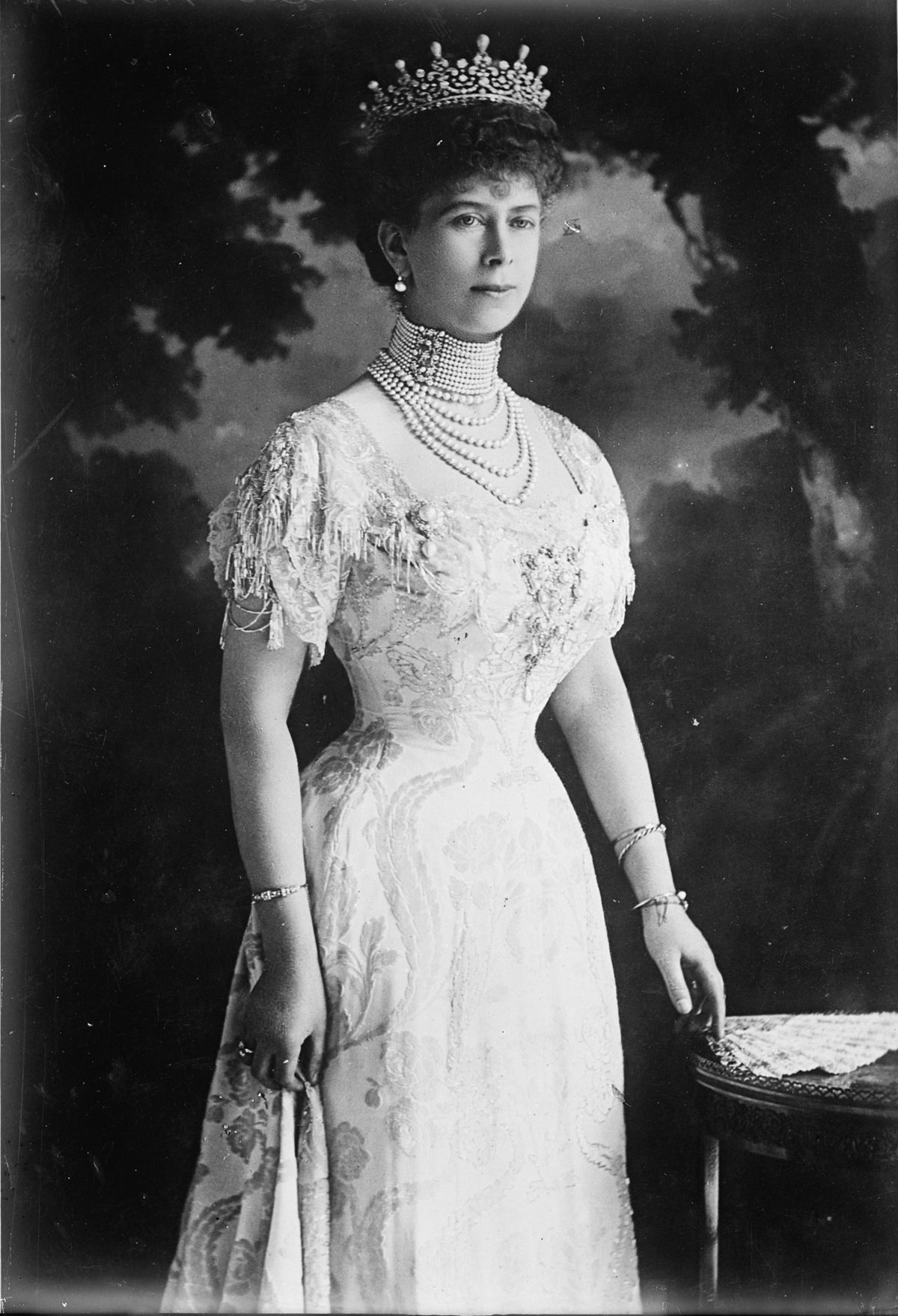
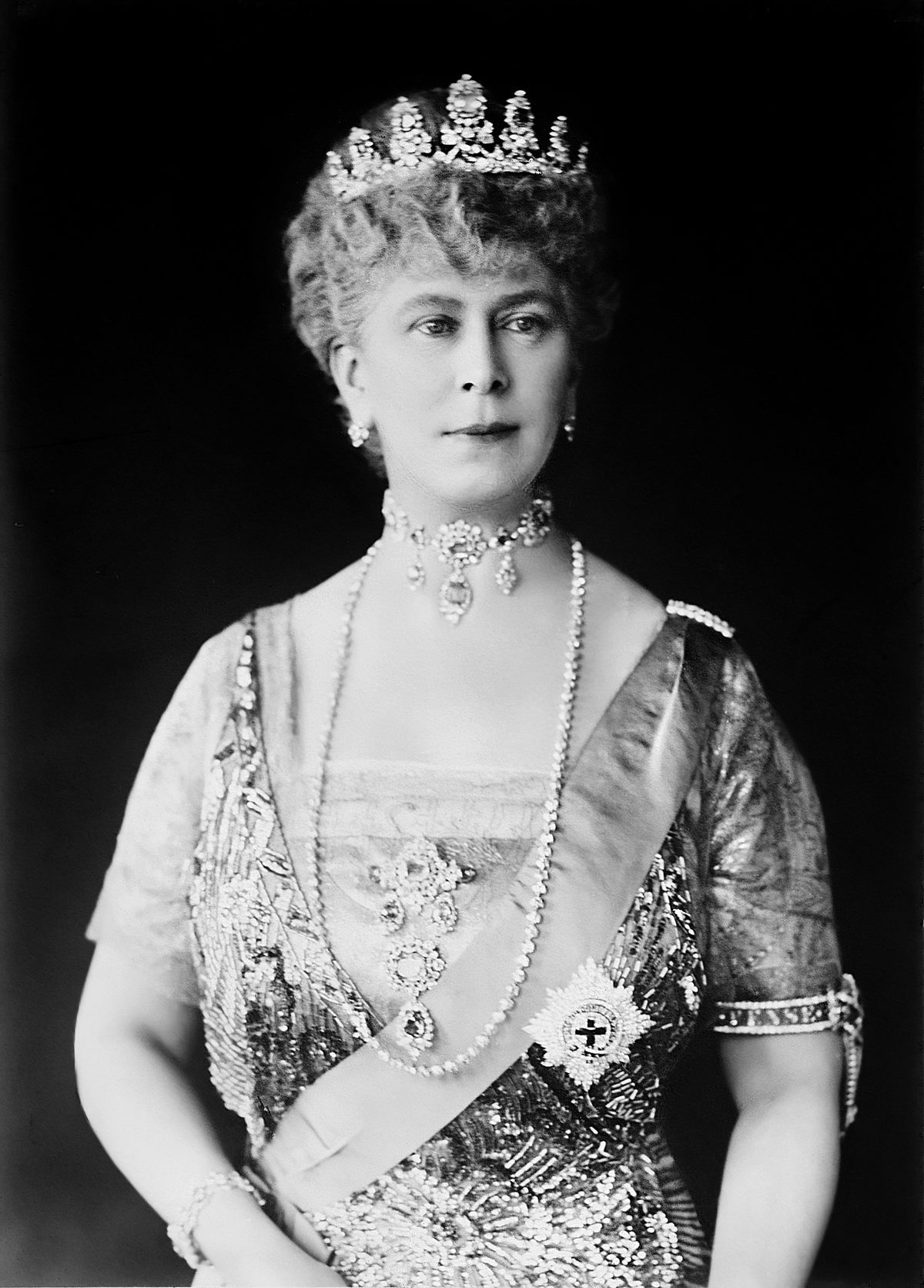
The British monarchy, a symbol of continuity and tradition, is governed by an intricate web of protocols and expectations. Queen Mary, consort to George V, exemplified the observance of these traditions. Born Princess Victoria Mary of Teck, she rose to her royal role with dignity, embodying the ideals of duty, service, and unwavering adherence to the customs of the Crown. Her life seemed an unbroken chain of official engagements, charitable endeavors, and public appearances, all executed with the precision and poise befitting a queen.
Yet, beneath this façade of regal perfection lay a woman of profound emotional depth. Despite the constraints of her role, Queen Mary was known for her keen interest in the arts, history, and architecture. Her polished demeanor often cloaked a heart capable of deep affection and loyalty, characteristics that defined her marriage to George V. Behind the grandeur of state occasions was a couple that, through two world wars and numerous political shifts, found solace and strength in each other's presence.
A Moment That Broke the Mold
On the morning of January 23, 1936, the royal household was immersed in the somber ritual that befits the passing of a sovereign. Tradition dictated that the reigning queen consort should remain at Sandringham, a perpetual symbol of continuity amid the transference of power. However, Queen Mary chose a different path. She resolved to accompany the king’s coffin on its journey to London—a decision that carried more emotional weight than its historical implications.
The train, a poignant emblem of transition, was meant to carry not only the late king but a wave of national mourning. As those gathered prepared to send the procession on its way, Queen Mary, often seen as the epitome of regal decorum, quietly slipped from her position by the window and joined the entourage en route to the railway platform. There was no grand announcement, no formal arrangement. She simply and resolutely stepped into the carriage, her actions reverberating as an intimate expression of her grief and love.
“I must be with him one last time,” she reportedly confided to a lady-in-waiting, an acknowledgment not only of her personal loss but of her willingness to forsake royal convention for raw humanity.
The Royal Court and the Reverberations of Emotion
The royal court, accustomed to the predictability of meticulously planned events, was both surprised and moved by the queen's decision. This small act of defiance against convention captured the attention of those who had previously regarded Queen Mary as a figure shrouded in formality. It resonated with the public in profound ways, offering an unexpected glimpse into the personal dimension of monarchy, one not often laid bare to the public eye.
The world was accustomed to viewing the royal family through a lens of stately grandeur. Queen Mary's choice to accompany King George V’s coffin on its journey south shifted this perspective, reminding onlookers and the press of the inherent humanity tucked within royal life. It was a moment that underscored how even in the highest echelons of society, profound human emotions run parallel to the call of duty.
A Legacy of Love and Human Connection
Queen Mary’s actions on that January day remain emblematic of the silent strength and enduring partnership that defined her marriage to King George V. Her life, while steeped in the strappings of royal protocol, was punctuated by moments where the heart dictated her path. In joining the funeral train, Queen Mary left behind more than a fleeting shadow on history. She offered a testament to the lasting impact of love, loyalty, and personal connection amidst the solemnity of royal obligation.
This instance in 1936 serves as a timeless reminder of the indelible humanity that persists within the British monarchy. Even as traditions evolve, the essence of personal dedication and emotional transparency experienced by members of the royal family continue to resonate with audiences today. Queen Mary's poignant journey from Sandringham to London stands as a tribute to the rich tapestry of human experience that dwells within Buckingham Palace, a narrative without beginning or end, sustained by the hearts of those who wear the crown.
📷 Photo: Bain News Service; edited by Fir0002. Public domain via Wikimedia Commons.