The grandiosity of a royal coronation is a spectacle that transcends the centuries. Each detail, from the glimmering crown to the softly echoing coronation vows, well-captured in the annals of history, is a tapestry of tradition, reverence, and rich symbolism. Amidst this pageantry, hidden facets often remain, unveiling tales only revealed under the keen gaze of history’s hindsight. So was the case with Queen Mary’s coronation gown—a masterpiece of sartorial elegance embroidered with what might be history’s most poignant secret.
A Crown Decked in Mourning
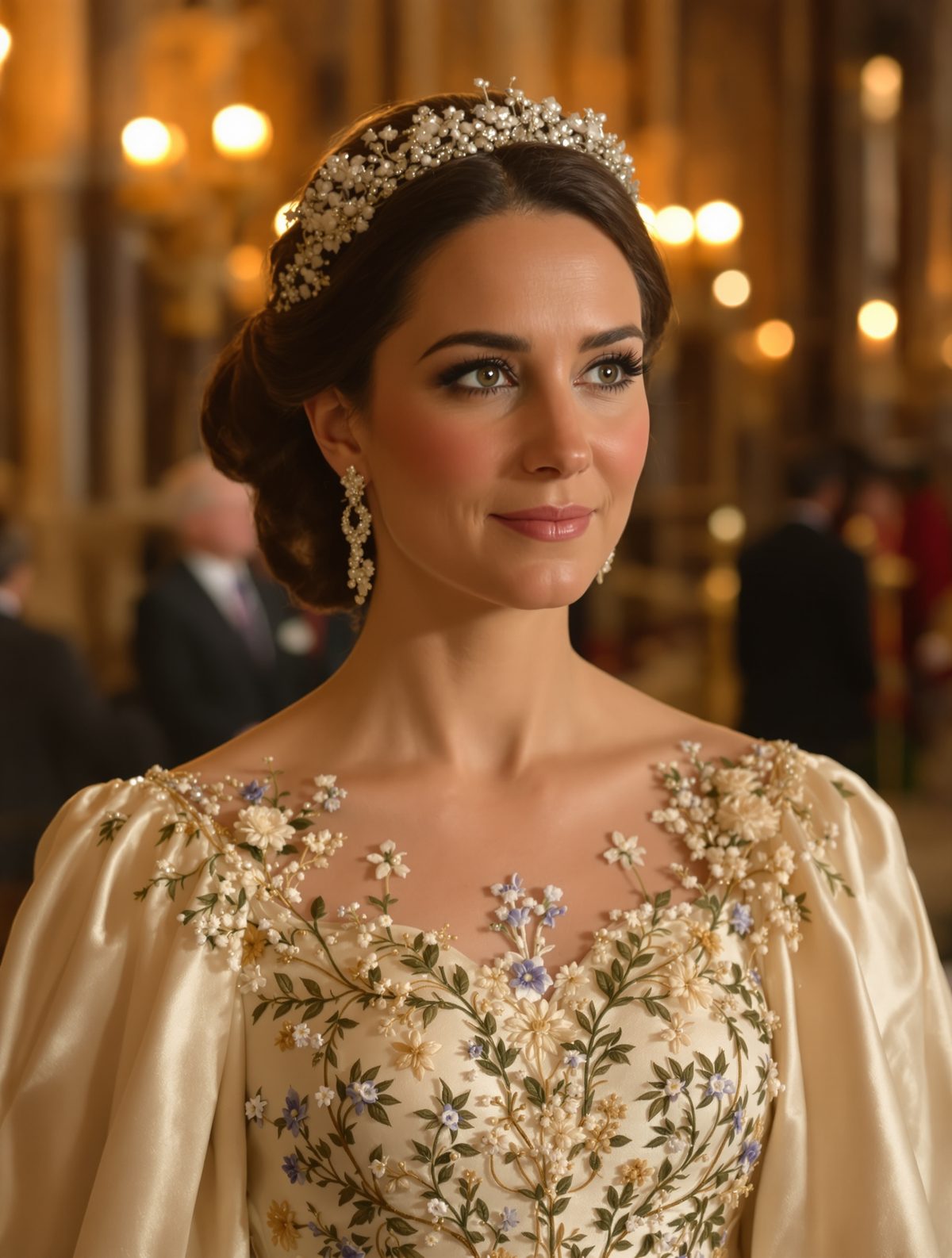
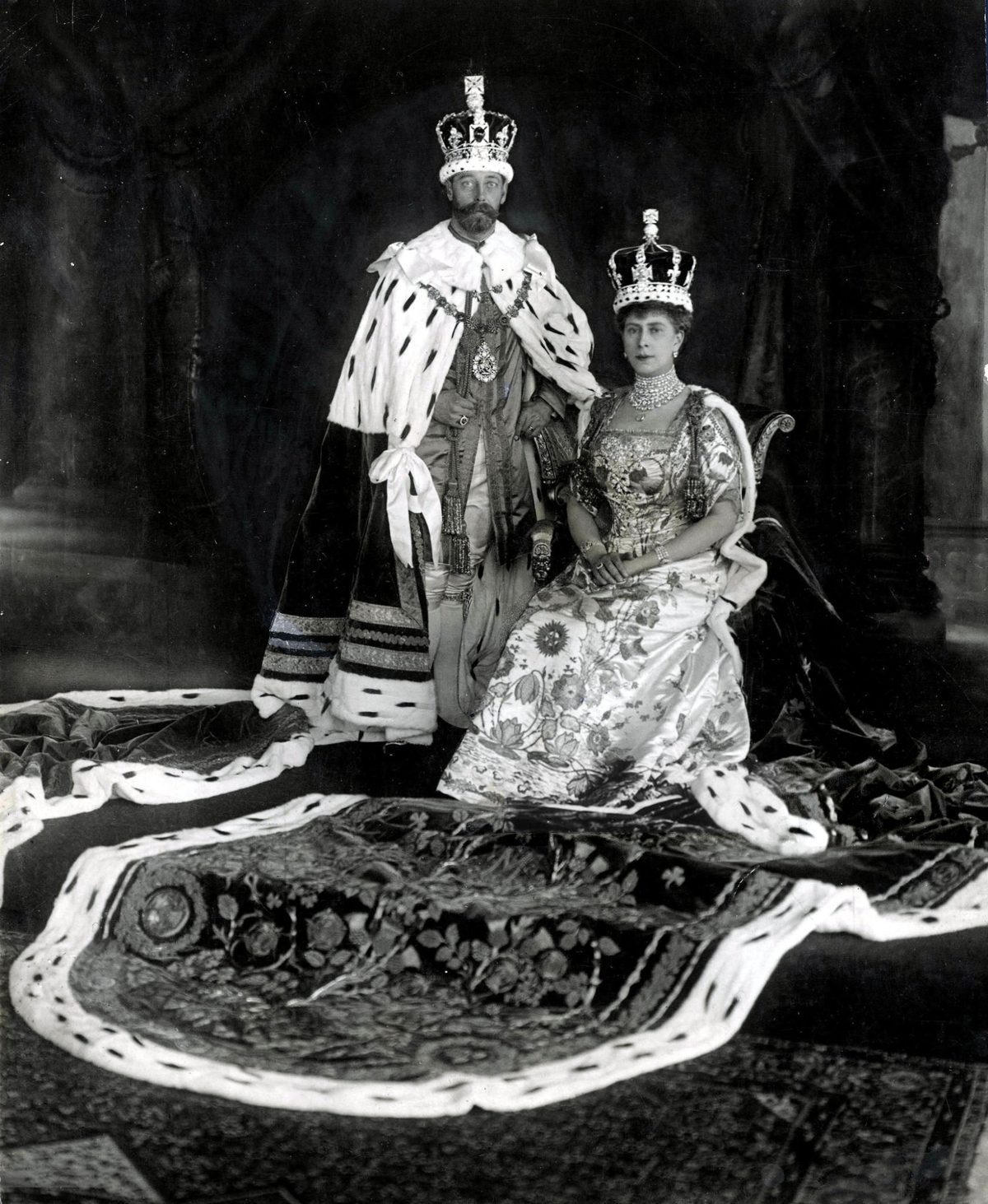
On the 22nd of June, 1911, the doors of Westminster Abbey swung open to unveil a queen—orchestrating her delicate ballet in pomp and circumstance. Queen Mary, wife of King George V, ascended the steps, a vision of regal beauty wrapped in silk embroidered with silver thread, a shimmering diadem of diamonds atop her brow. Yet, beneath her stately composure, Queen Mary wove a tapestry of personal grief into the resplendence of her attire, concealing within it a tribute to a loss that had plunged her heart into mourning.
The death of her beloved son, Prince John, at the tender age of 13 was a moment of profound sorrow for the queen. The young prince, known affectionately as "Johnny," touched the family with his vibrant spirit despite the hardship of his epilepsy and the seclusion it necessitated. In an era where royal imperfections were shrouded in silence, the royal family bore their heartache stoically, and Queen Mary did what queens have done throughout history—she sequestered her pain in a way that only her most intimate circle might comprehend. Entwined into the fabric of her coronation gown were stitches, unseen to the world but palpable in presence, shaped as white roses—a symbol of innocence and everlasting love.
The Artistry of Edwardian Elegance
The visionary behind the royal gown’s creation, Manoel and Joaquim of London’s leading fashion house, rose to the challenge of marrying artistry with monarchy’s weight. Queen Mary’s demands were strikingly specific; each element was meticulously chosen to reflect an aura of grace and power. Silk satin laid the foundation—a symbol of regal refinement—while the silver thread embroidered delicate motifs drawn from art nouveau influences, swirling gracefully along the hem and trailing upwards in a dance of style and splendor.
Yet, at her command, hidden beneath its shimmering surface was a tableau of personal tribute—a secret garden of white roses that only touched her side of regal empathy, resonating in a language known only to those who, like Mary, had stitched grief into the tapestry of their own stories. A Queen adorned with duty yet cloaked in the quiet mourning of her hidden sorrows.
The Royal Court: A Microscope of Hidden Emotions
The Edwardian court was a stage where grandeur performed alongside the understated whispers of human emotion. Inside these halls where gilded age opulence met the echo of personal sacrifice, life was as much a pageant as it was an unceasing barrage of ceremonial duties. Queen Mary was the epitome of the age: a woman of steely resolve and quiet dignity who bore the burdens and blessings of her position with an unflinching gaze.
Her role required her to wear an emblematic strength, navigating the courtship of politics and diplomacy while upholding the values and traditions expected by her station. Yet in the domain of personal affairs, she wore armor more subtle, drawing resilience from her profound sense of duty and an ability to find solace in the intimacy of her sanctuary—family. When this space was marred by the loss of Prince John, Queen Mary’s heart sewed intricately; her needle traced the contours of love and loss, writing her silent message into the attire meant for crowning.
Legacy of Love Threaded Through Time
As Queen Mary stepped through the towering arches of Westminster, her eyes cast upon subjects who could never fathom the layers of narrative wound tightly around her. In her quiet tribute lay a lesson far grander than the ceremonial crowning—here was a tapestry of dignity twined with the enduring power of love. Her coronation gown went beyond a mere garment, transforming into an emblem of humanity, pain eclipsed by profound devotion, duty softened by individual sorrow.
Today, Queen Mary's legacy endures as a testament to the power of symbols and the graceful communion of public duty with private sentiment. In a time where the spotlight of royal life continues to brighten, sometimes even casting shadows too deep, the story of her silent tribute threads a bridge of understanding. For beneath every title, beats the heart of life—a shared tapestry capturing those we love in the stitches of our narratives.
The quiet resolve that Queen Mary demonstrated reshapes our perception, reminding us of the indelible connection between regality and mortality. As royal admirers, our fascination should lead us not only to celebrate opulence as heritage but to recognize the shared essence of everyday humanity that threads through those walls, then and now.
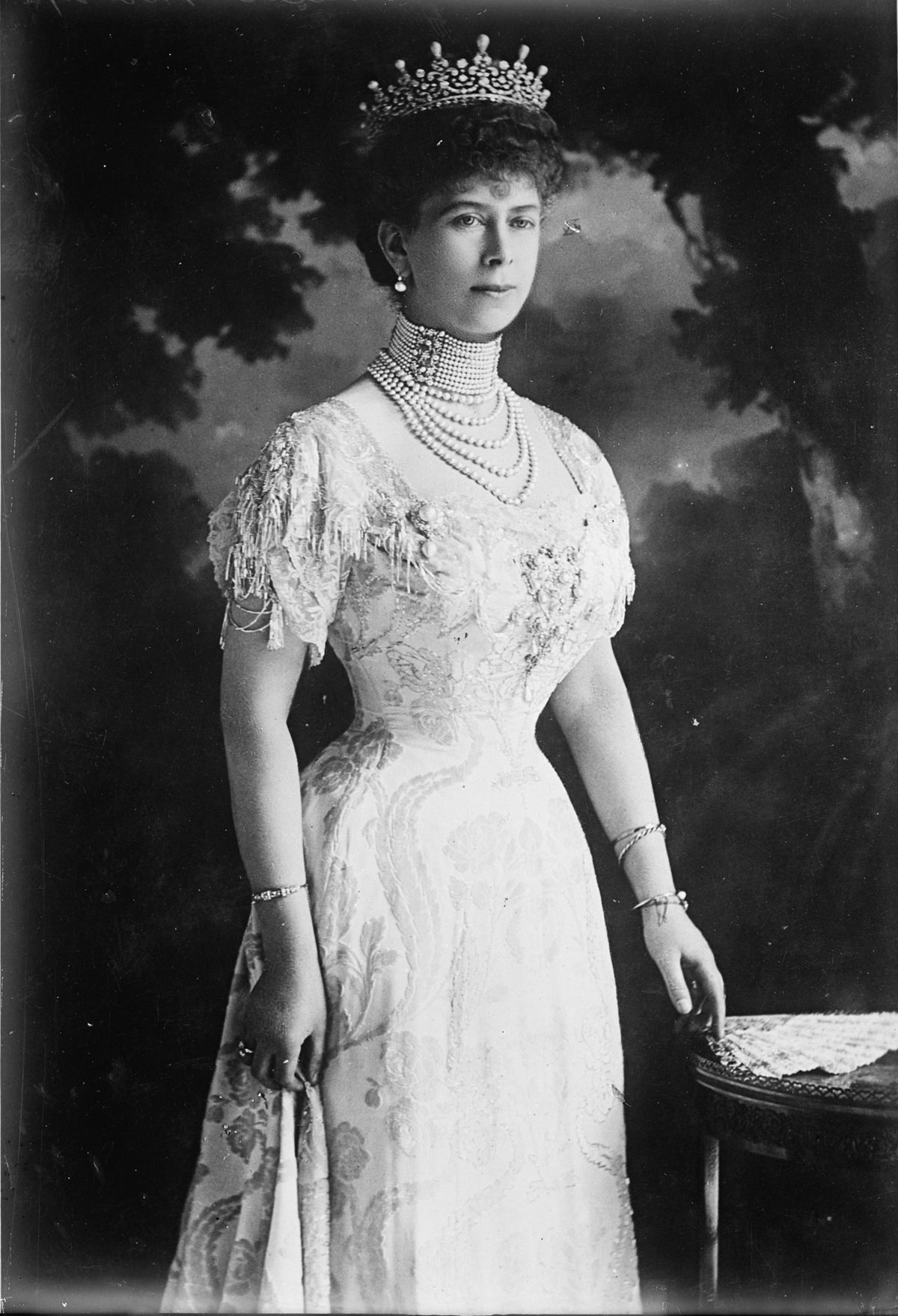
📷 Photo: Harris & Ewing, photographer. Public domain via Wikimedia Commons.