In the flickering glow of January's winter twilight, an unfamiliar warmth enveloped the somber halls of Sandringham. The night of January 20th, 1936, would forever be etched in the annals of history, not only as the passing of a king but as the night Queen Mary bared her soul. For this was the night the British monarchy, accustomed to stiff upper lips and unyielding decorum, witnessed an uncommon display of raw emotion and heartfelt connection.
The Iron Monarch: Queen Mary’s Unyielding Demeanor
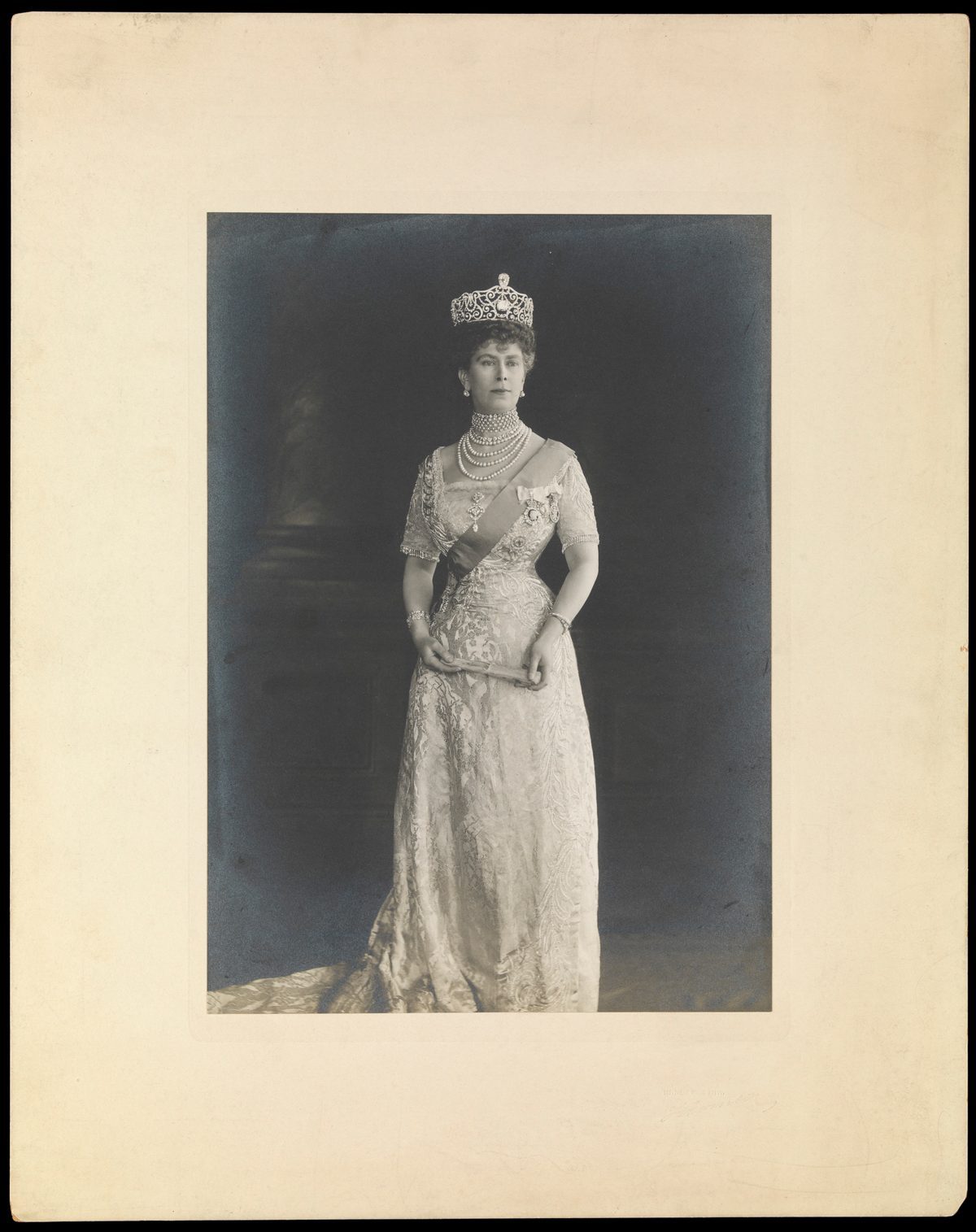
Queen Mary, born Mary of Teck, was the epitome of royal duty and restraint. Her poised presence and unflinching adherence to protocol were well-known and deeply respected. Scholars and the public alike recognized her as a pillar of strength, whose emotional reserve was as much a part of her regalia as her crown.
The public rarely saw Mary’s inner emotions, a testament to her unwavering composure. She committed her life to service, becoming an embodiment of stability during tumultuous times. Her dedication fortified the monarchy's image, presenting a steady hand at the helm amid global upheaval. Yet, the steadfastness that endeared her to many also gave her an air of distance, veiling her warmth and affection in a shroud of royal duty.
A King’s Final Hours: Gathering at Sandringham
As King George V’s health declined, the corridors of Sandringham filled with an expectant hush. The royal family gathered, cloaked in the gravity of the moment. His reign had been marked by monumental events, including the First World War and the start of the Great Depression. The family came to bid farewell to a king and patriarch who had led them through profoundly challenging times.
Those gathered at his bedside were acutely aware of the end of an era. The room held an air of solemnity, its silence a testament to the mingled emotions of anticipation and sorrow. Here, in the intimate privacy of the king's chambers, the usual regalia of court life were stripped away, leaving nothing but raw, unvarnished emotion.
The Moment That Stunned: Queen Mary’s Vulnerability Revealed
As King George V lay on the brink between life and eternity, an unexpected transformation overcame Queen Mary. Known for her inscrutable presence, she moved closer to her husband’s side, breaking protocol with profound tenderness. Kneeling beside his bed, she took his hand — a gesture laden with intimacy in a setting so formal.
No royal decree compelled this act; it was born from a depth of affection that transcended even royal standards. Queen Mary's ironclad façade, which had withstood decades of public scrutiny, melted as she openly wept. Those present witnessed a poignant moment of humanity, the exposed heartbeats of a queen who had hitherto been unrelenting in her adherence to composure.
To the bystanders, the sight was transformative. It was as if centuries of regal obligations paused to allow the simplest, most sacred connection to take place. In that moment — that raw, unscripted juncture — Mary demonstrated a vulnerability as powerful as the strongest decree, a steadfast love unbound by formalities.
The Human Story Amidst Royal Spectacle
This unanticipated display of emotion by Queen Mary at her husband's deathbed transcended the bounds of royal duty. It resonated deeply within the hearts of those present and for future generations who would come to know of it. It painted a portrait of a woman acutely connected to her roles as both a sovereign partner and a mourning wife.
Throughout history, the British monarchy has stood as more than an institution of governance; it has embodied the nation's collective identity, a lens through which the public views the broader tides of society. In this sense, Queen Mary’s moment of vulnerability did more than break the thick crust of tradition — it reaffirmed the monarchy’s humanity beneath its grandeur.
Legacy of Sentiment: A Connection to Today
Queen Mary’s unexpected display at King George V's bedside offers a poignant reminder of the monarchy’s complex dual role. It underscores the royal family's unique standing in the public eye as figures of both majesty and relatable human experience. Her honest expression of grief continues to resonate, illustrating the enduring power of love and emotion amidst duty.
As we glean lessons from the past, we find that the greatest acts of the monarchy are often those grounded in genuine human emotion. Queen Mary’s fleeting moment of vulnerability amidst a lifetime of steadfastness remains a gentle reminder that the strength of the crown is often found in its heartfelt connections.
Today, the British monarchy continues to merge tradition with compassion, reflecting both the grandeur of history and the heartfelt essence of family, resonating with royal admirers around the globe. Through Queen Mary’s tears, the timelessness of true connection speaks volumes, her legacy serving as an ageless touchstone, uniting the past and the present.
📷 Photo: John Thomson. CC BY 4.0 via Wikimedia Commons.