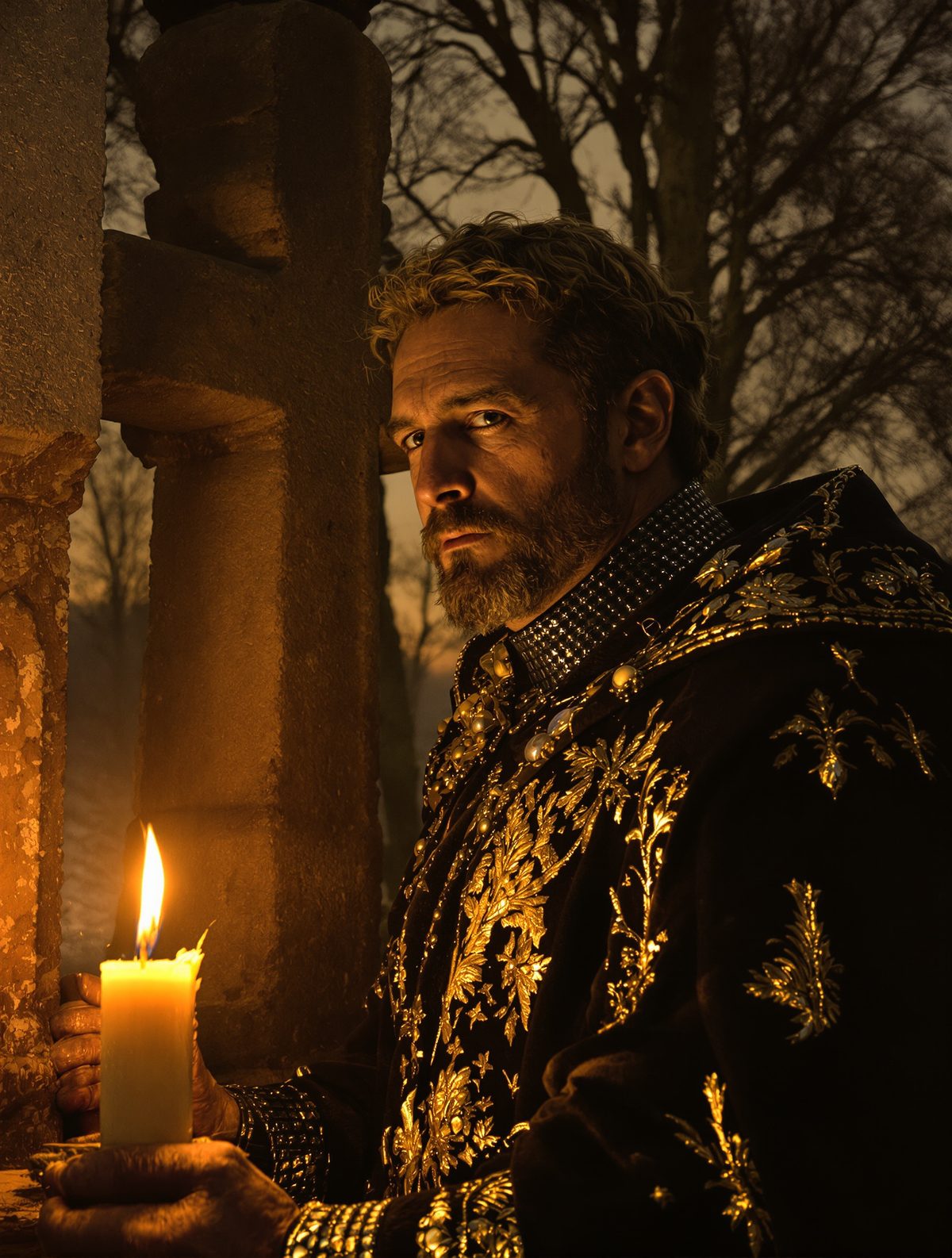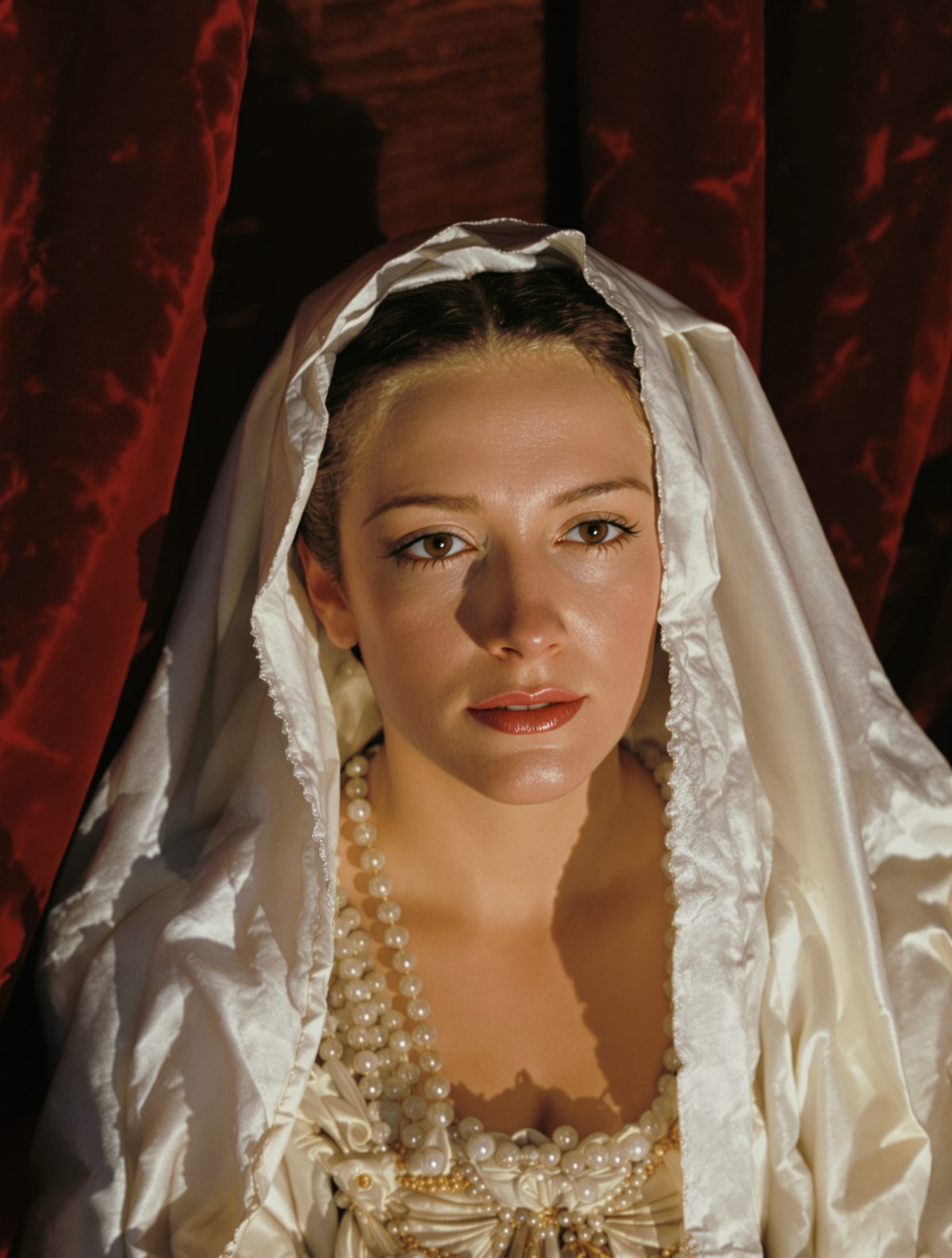
The gilded halls of the Tudor court were alive with anticipation and gossip. King Henry VIII, notorious for his dramatic personal life and relentless quest for a male heir, had finally been granted his dearest wish. Jane Seymour, the king’s third wife and considered by many to be the one true love of his tumultuous life, had given birth to a son—Edward VI. This event not only solidified her place in royal history but, tragically, led to her untimely demise. Jane Seymour’s delicate health following childbirth prevented her from donning her crown, a poignant symbol overshadowing the joyful occasion with a sense of profound loss and sacrifice.
A Delicate Balancing Act: Maternal Duty and Royal Expectations
Jane Seymour’s journey to queenship was one marked by grace and quiet determination. Described as gentle and soft-spoken, she emerged as a steady presence amid the storms of the Tudor court. Her marriage to Henry VIII in 1536 promised peace and prosperity, but it was her duty to produce a male heir that weighed heavily on her shoulders. The birth of Prince Edward on October 12, 1537, was a triumph, fulfilling Henry’s deepest ambition and securing the Tudor lineage, a victory that came at a great personal cost to Jane.
In the Tudor period, royal maternity was not for the faint of heart. Despite the courtly pageantry and celebrations prepared for Edward’s christening, Jane was physically weak. She had to watch the lavish proceedings unfold from a distance, too frail to partake in the splendor once more. The crown that had symbolized her royal authority and success as queen remained untouched, a reminder of the sharp edge of royal duty.
The Shadows of the Tudor Court
The Tudor court was a tapestry of personalities and powerplays, all under one gilded roof. Expectations were high, not only for the monarchy but for every courtier whose fortunes were tied to it. Queen Jane's delicate condition was kept out of the public eye as much as possible, yet she insisted on showing a strong facade to uphold her queenly duties. She presided over the celebrations with composure, knowing these public appearances were integral to the maintenance of royal image and stability.
The risk inherent in childbirth during the 16th century exuded an eerie presence in the court. High child mortality rates and the dangers faced by women in childbirth meant that Jane’s struggle was not unique, yet it was more visible due to her prominence. The bells that rang out in celebration for Edward's birth soon took on a somber tone as news spread of the queen’s declining health.
A Crown Unworn, A Legacy Unfaded
Jane Seymour passed away on October 24, 1537, just twelve days after bringing the long-awaited heir into the world. The crown she would never wear again, resting silently, became a poignant emblem of both her achievement and her tragic sacrifice. Historians often debate the exact cause of her death, with theories ranging from puerperal fever to postnatal complications. However, the undeniable truth remains that her life was laid down in service of a dynasty.
Ironically, the absence of a coronation crown enhanced Jane’s enduring impact. In the years following her death, Henry VIII would remember Jane with fondness and respect above all his other wives. Buried with honor at St. George’s Chapel in Windsor Castle, adjacent to Henry himself, the choice made upon his death attested to the unique place she held in his heart. Her legacy lived on through Edward, albeit briefly, as he ascended to the throne at just nine years old.
The Hearts and Minds of England
Jane Seymour's story is not merely one of a crown unworn or a life lost. It is a testament to the human spirit’s ability to endure, love, and leave behind an indelible mark that transcends time. Her love for Henry, her role as mother to a future king, and her sacrifice at the entrance of life and death offer a lens through which we might view royalty with a deeply human regard.
Today’s royals continue their duties against a backdrop of public fascination and scrutiny, though in very different circumstances. What remains consistent across centuries is the monarchy’s unyielding grip on the imagination and hearts of people worldwide, each new generation balancing the legacy of history with the challenges and opportunities of the present.
Jane Seymour's brief moment as queen stirred a momentous impact, showing the power of quiet strength and devotion, and reminding us all that the crown — whether worn or unworn — is as much about one's heart as the burden on one's head.