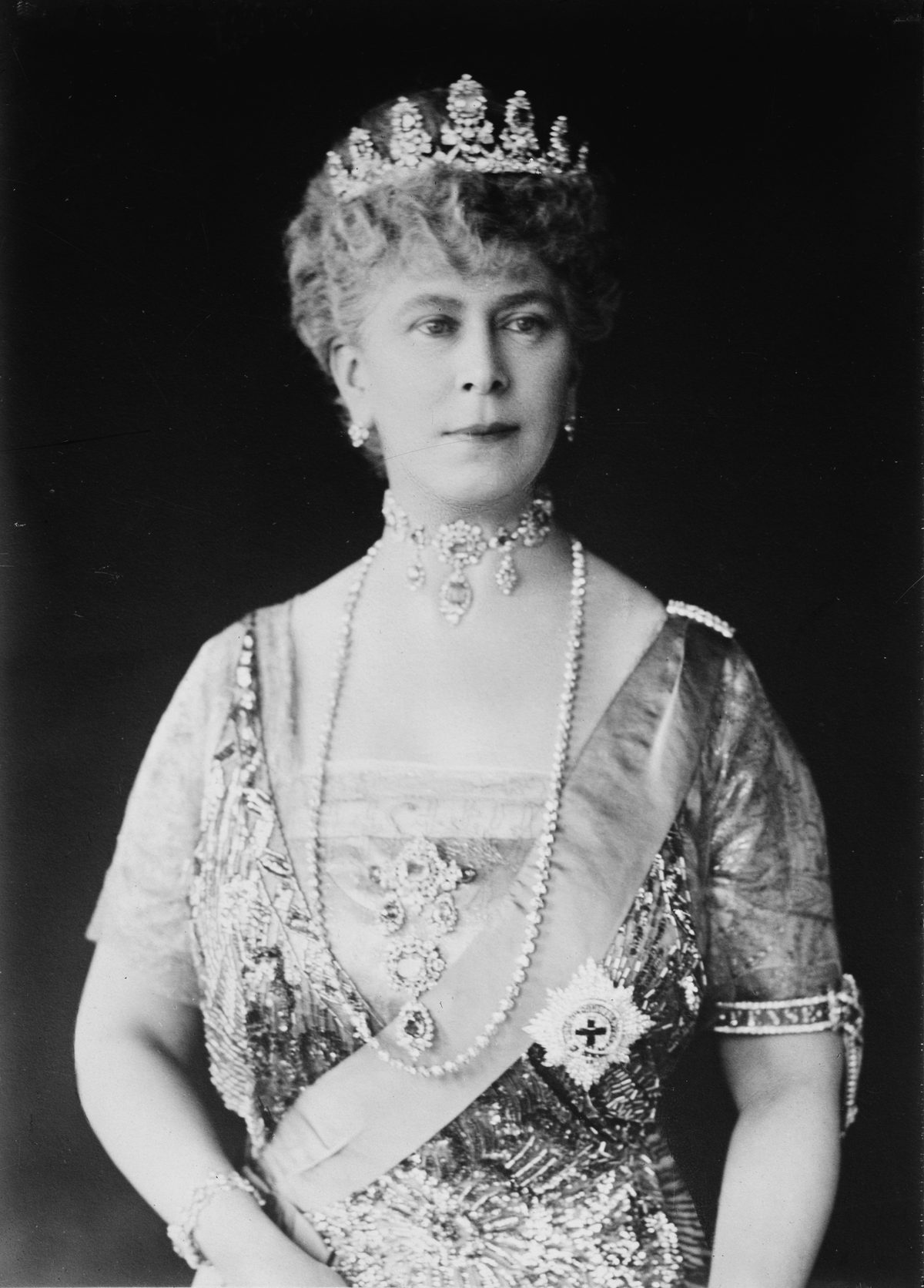
In the solemn chill of January 1936, as the news of King George V’s passing traveled through the cobblestone streets and grand corridors of British monuments, a quiet yet profound moment of fashion history unfolded. Princess Marina, then just two years into her role as the Duchess of Kent, stepped into her new world of duty and devotion with a sartorial choice that resonated deeply with both tradition and personal grief. Hers was a unique grace, woven into the fabric of a stunning black gown by the celebrated couturier Edward Molyneux. This choice not only marked her as a woman of impeccable taste but also as a member deeply bereaved by the loss of a king she had come to hold dear.
Embracing Royal Life: An Arrival from Greece
Princess Marina of Greece and Denmark was thrust into the maelstrom of British royal protocol when she married Prince George, Duke of Kent, in November 1934. As the granddaughter of King George I of Greece and cousin to both Prince Philip and Queen Sofia of Spain, Marina was no stranger to royal lineage. However, as she arrived at London’s bustling doorstep, she was yet to grasp the distinct tapestry of British monarchy with its intricate customs and public scrutiny.
Marina’s entry into the British royal family was met with much enthusiasm; her elegance, intelligence, and cosmopolitan background enriched the royal court. Yet, the task of adapting to her new role as a duchess was challenging, especially within a monarchy that placed immense value on tradition and decorum. Her union with Prince George did not merely signify personal happiness but symbolized a broader union between British aristocracy and European nobility. It was a delicate balance between personal identity and royal duty—a journey into the dense thicket of royal culture that she navigated with refined poise.
The Gown: A Molyneux Masterpiece
A stalwart in the world of fashion, Edward Molyneux was renowned for his architectural precision and minimalistic embellishment, infusing his designs with a modern sophistication. His clientele, studded with royalty and celebrities, attested to his commanded admiration and respect among the elite. So, when Marina chose Molyneux to craft her mourning gown for King George V, she was making a statement that transcended traditional expressions of grief.
The gown was a study in mourning attire, a masterpiece of sartorial engineering, where every seam and contour spoke volumes. Made of a deep, luxurious black fabric, it combined somberness with elegance, reflexivity with subtlety. The design adhered to the strict dress codes dictated by mourning conventions of the time—yet Molyneux’s ingenuity manifested in its silhouette, which bestowed upon Marina an ethereal presence. Personal ethos was embodied within the muted fabric: respect, indeed, but also reverence for the bonds she had forged since joining the royal fold.
An Act of Quiet Devotion
As Princess Marina traversed public and private spaces draped in this exquisite garment, she projected an arresting image that commanded quiet attention. Her very presence in mourning attire was a declaration of solidarity with her new family, her adopted nation—revealing a profound sense of belonging through a shared, collective grief.
Images of the duchess entering regal halls or stepping out under a muted sun were imbued with an emotional gravity that photographers captured and immortalized. To stand in mourning, so visibly and repeatedly, was not just following courtly protocol; it was a tender acknowledgment of her relationship with King George V, a heartfelt salute to a patriarch whose influence and support she deeply cherished.
Setting a Precedent in Royal Fashion
Marina’s choice of attire also signaled a subtle evolution in royal fashion. It exemplified how fabric and fashion could be wielded not just for appearances but as a representation of royal philosophy. Her resonant choice became a quiet commentary on the silent strength inherent in royal roles—strength seized by the legacy of duty and love.
In subsequent years, royal observers noted similar considerations when members of the royal family chose their attire for significant occasions. The merging of personal style with traditional expectations set a new fashion precedent, further solidifying Princess Marina's position as both an influencer and adherent within the royal family.
The Legacy of a Stylish Sentiment
The narrative of Princess Marina’s mourning gown serves as a poignant reminder of the understated yet expressive language of fashion. It was an embodiment of homage paid not with fanfare but with fabric—a cloth-bound promise that would echo into the annals of royal memory.
Today, royal admirers look to the past to understand the profound connections fashioned by figures like Princess Marina. Her choice resonates as intimately and recognizably in today’s context of royal affairs. Each piece of royal attire continues to inspire and underscore the unique role that these figures play in bridging tradition with modernity.
Decades might have passed since Marina last graced us with her presence, but through her striking Molyneux garment, we are reminded: within the intricacies of royal life, the simplest gestures often carry the greatest weight. Her choice enduringly shines in our collective imagination, reflective of an era where royal garments spoke the silent language of love and devotion.
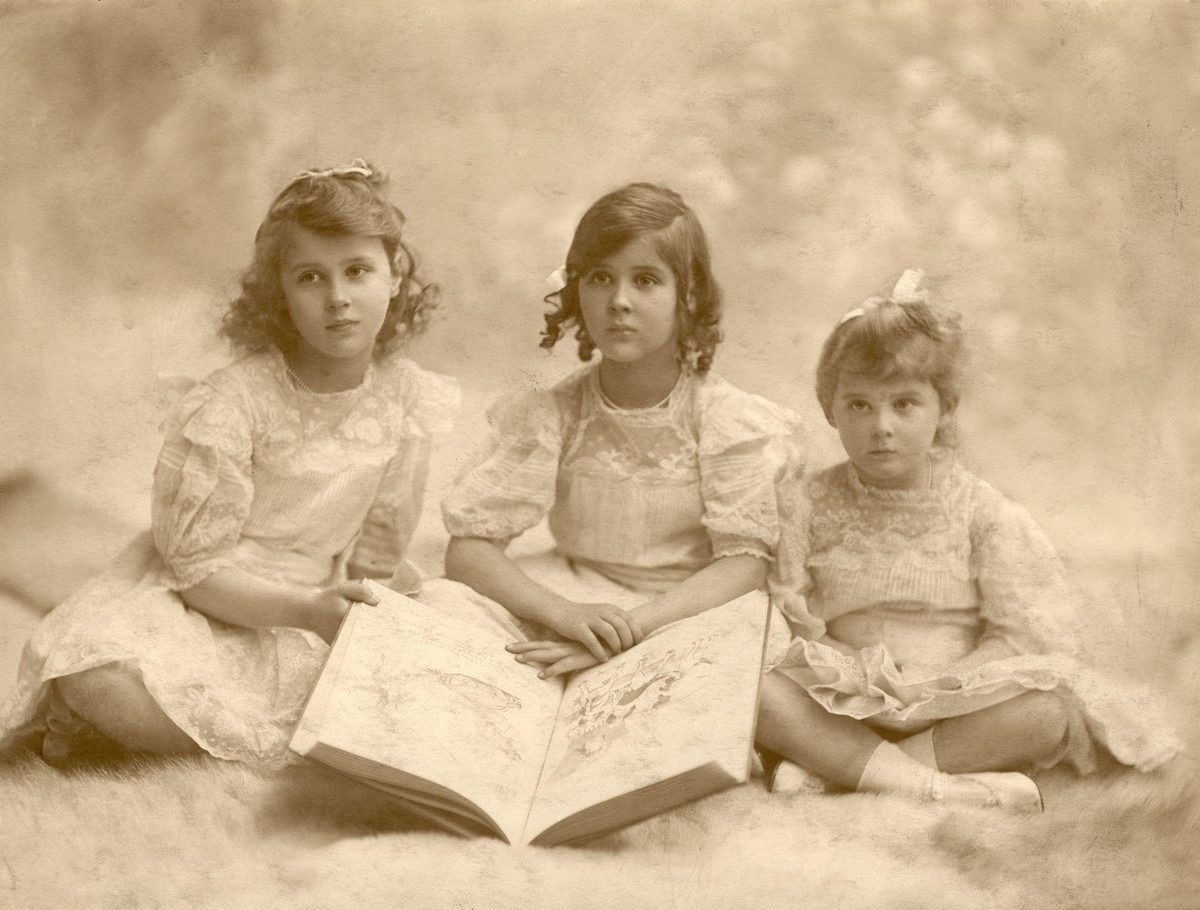
📷 Photo: Lallie Charles. Public domain via Wikimedia Commons.