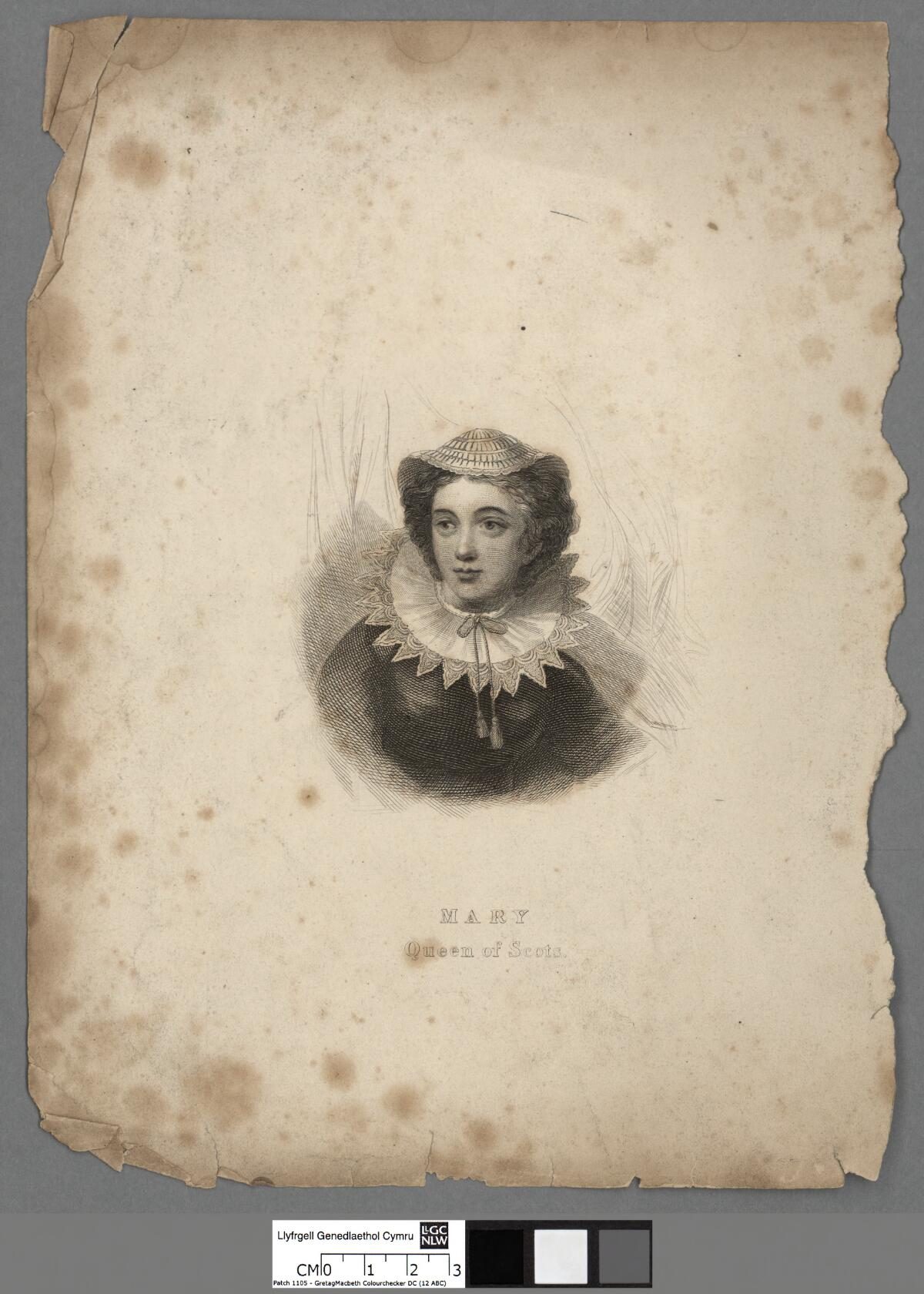
On a brisk February morning in 1587, an event unravelled within the stone walls of Fotheringhay Castle that would echo through the annals of royal history. Mary Queen of Scots, the tragic figure who had spent almost two decades as a prisoner, transformed her execution into a final act of defiance and dignity. Before her head met the axe, she donned a crimson dress, a bold statement of her faith and her final stand as a Queen. This is the story of how, with one choice of costume and courage, Mary Stuart became an everlasting symbol of martyrdom and resilience.
The Monarch in Captivity
Mary Queen of Scots, born to be a queen, had lived a life worthy of an epic tale — filled with triumph, intrigue, and misfortune. At just six days old, she became Queen of Scotland, and her life was shaped by the political machinations of Europe, where royal blood was both a blessing and a curse. Her marriage to the Dauphin of France seemed like a fairytale, crowning her as the Queen of France. However, the fairytale ended abruptly with his untimely death, sending Mary back to a much-devolved Scotland.
Her reign in Scotland was turbulent; a series of failed marriages and political missteps left her vulnerable. Seeking refuge with her cousin Elizabeth I should have provided safety but instead found her a captive — a pawn in the games of power and dominance. Under house arrest in England, she endured 19 long years, plotting in vain for freedom, her Catholic faith and her claim to Elizabeth's throne making her both a symbol of hope and a political threat.
Fotheringhay Castle: The Final Scene
The date was set: February 8, 1587. Fotheringhay Castle bore witness to Mary's final hours, the stone walls silent observers of a queen's last stand. As dawn broke, Mary prepared for her final performance. Beneath her somber black gown, she wore a vibrant crimson dress — the colour of Catholic martyrdom. This choice was a deliberate defiance, a powerful symbol resonating through the cold confines of the makeshift execution chamber.
The atmosphere was tense, every detail dripping with the magnitude of the moment. Elizabeth's advisors insisted on secrecy, yet the gravity and spectacle of Mary's execution drew a small assembly of officials and witnesses. Her once-loyal subjects, priests, and select supporters could barely hide their solemn admiration for her final act of bravery.
A Queen's Last Defiance
Mary's walk to the execution platform was laden with dignity. She was assisted by her loyal entourage, who knew that they were not just bidding farewell to a queen but to a beloved friend and symbol of their faith. Her bold choice of attire sent a silent but potent message to the world. In wearing crimson, she claimed her identity and faith, a final assertion of her unyielding spirit in an era dominated by politics, power plays, and perfidy.
It's said she knelt and, with unwavering grace, forgave her executioner. She accepted her fate with a composure that stunned all present. As the executioner raised the axe, Mary offered her forgiveness, ensuring her legacy would be one of grace, courage, and clemency.
"I forgive you with all my heart, for now, I hope you shall make an end of all my troubles."
The Aftermath and Legacy
The impact of Mary's final act reverberated far beyond the walls of Fotheringhay. Her death became a rallying cry for Catholics across Europe and further complicated the tapestry of Tudor politics. Elizabeth I, aware of the delicate game of perceptions, claimed ignorance of the plan to execute her cousin and sought to distance herself from the deed that would haunt her politically.
Mary's son, James VI of Scotland, and later James I of England, continued her legacy. Her execution and James's ascension symbolized the unity of the Scottish and English crowns — a bittersweet testament to Mary's enduring influence. Her life and death became a romanticized tale of ambition, faith, and the perilous path of nobility.
Reflections on a Royal Legacy
Mary Queen of Scots' story is a poignant reminder of the intricate dance of power, faith, and family within the fabric of the monarchy. Her defiance in the face of her own mortality inspires even today, highlighting the ways in which choices borne of conviction resound through history. Her crimson dress, her compassionate forgiveness, and her courage speak to a universal struggle for dignity and self-identity in the face of towering adversity.
The legacy of the British monarchy is replete with stories of individual bravery and the relentless march of history. As we reflect on Mary’s story, we recognize the enduring human spirit — the same spirit that continues to captivate those who follow the lives and times of the British royals. Such stories enrich the continuum of royal heritage, reminding us that the tales woven by history are as vivid and vital as the people who lived them.
📷 Photo: Unknown authorUnknown author. Public domain via Wikimedia Commons.