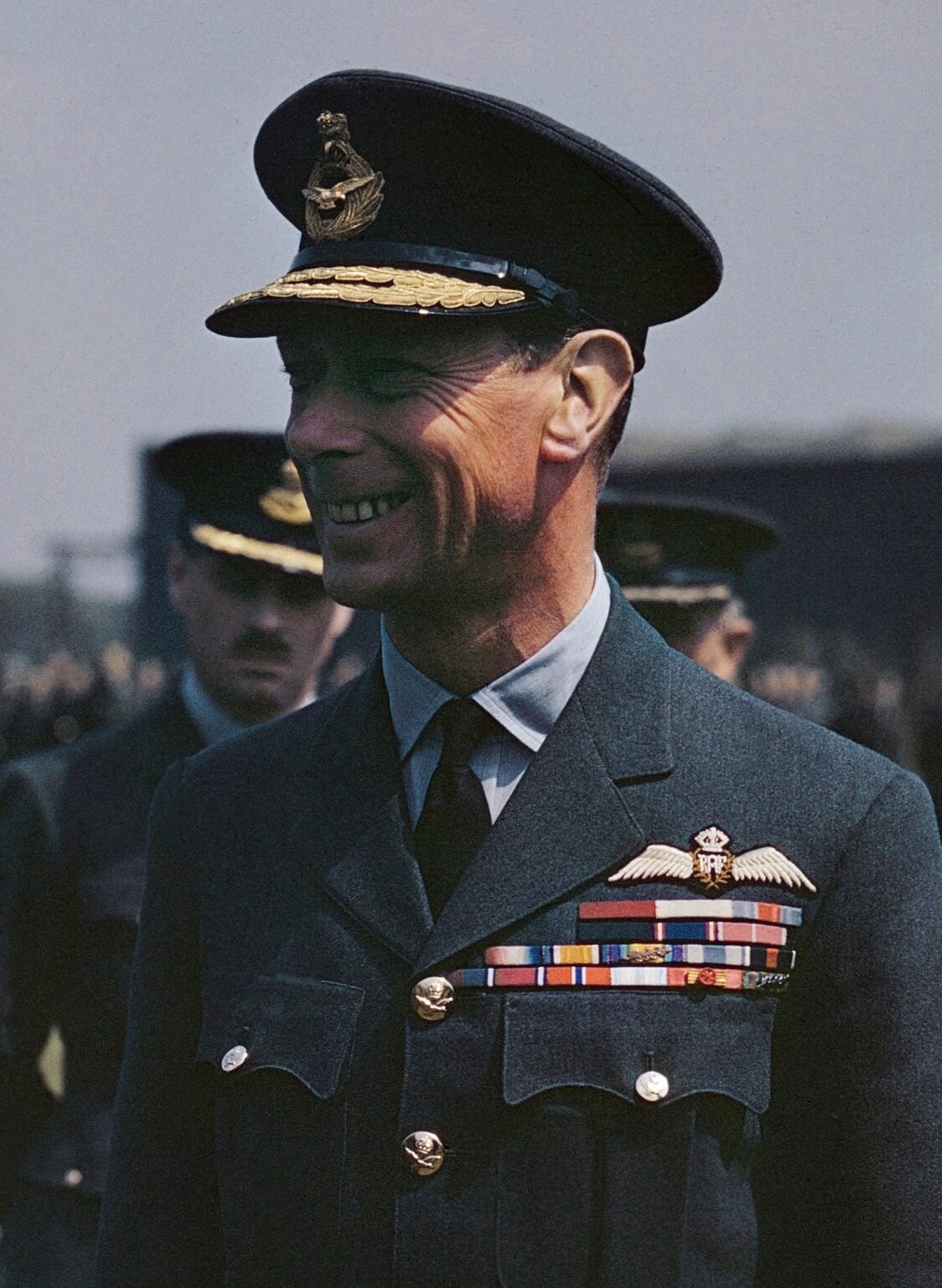
On a fateful morning in September 1939, a king removed his regal mask to reveal the vulnerable human beneath. Britain stood on the precipice of wartime, and in the majesty of Buckingham Palace, King George VI prepared to embolden a nation. Yet, his most trusted ally was not the glittering splendor of the court or advisors of state but rather the humble reflection staring back at him from a solitary mirror. It was there, before the austere semblance of his own visage, that a monarch practiced turning apprehension into authority. This is the striking tale of the morning King George VI practiced his speech alone.
The Challenge of a Lifetime
With Europe's horizon darkened by the ominous clouds of impending conflict, a heavy mantle settled upon King George VI, a man known privately as Bertie. His journey to the throne was never expected nor smoothly paved. Obliged to assume kingship after the abdication crisis of his brother Edward VIII in 1936, he had inherited more than just a crown. Before him lay the daunting task of fortifying national unity against adversity—a task amplified by his personal battle with a debilitating stammer.
The speech in question, a nationwide address broadcast through the evocative sounds of BBC radio, marked the extent of Britain's entrance into World War II. It demanded more than eloquence; it required resolve. Unlike his charismatic predecessor father, King George V, Bertie's public speaking had long been a struggle ensnared by years of impediments and insecurities. This challenge, his biggest yet, called for the heart of a lion despite the discord in his vocal cords.
Preparation in Isolation
On the morning of September 3, as whispers of war spread through the corridors of power, inevitably reaching every corner of the Commonwealth, King George VI found solitude his ally. In a modest room lit by the dawn's cautious fingers, he stood face-to-face with the ultimate judge: his own reflection. This wasn't just an exercise in oratory; it was a battle of will, a test of perseverance that had simmered since his childhood and would ultimately define his tenure.
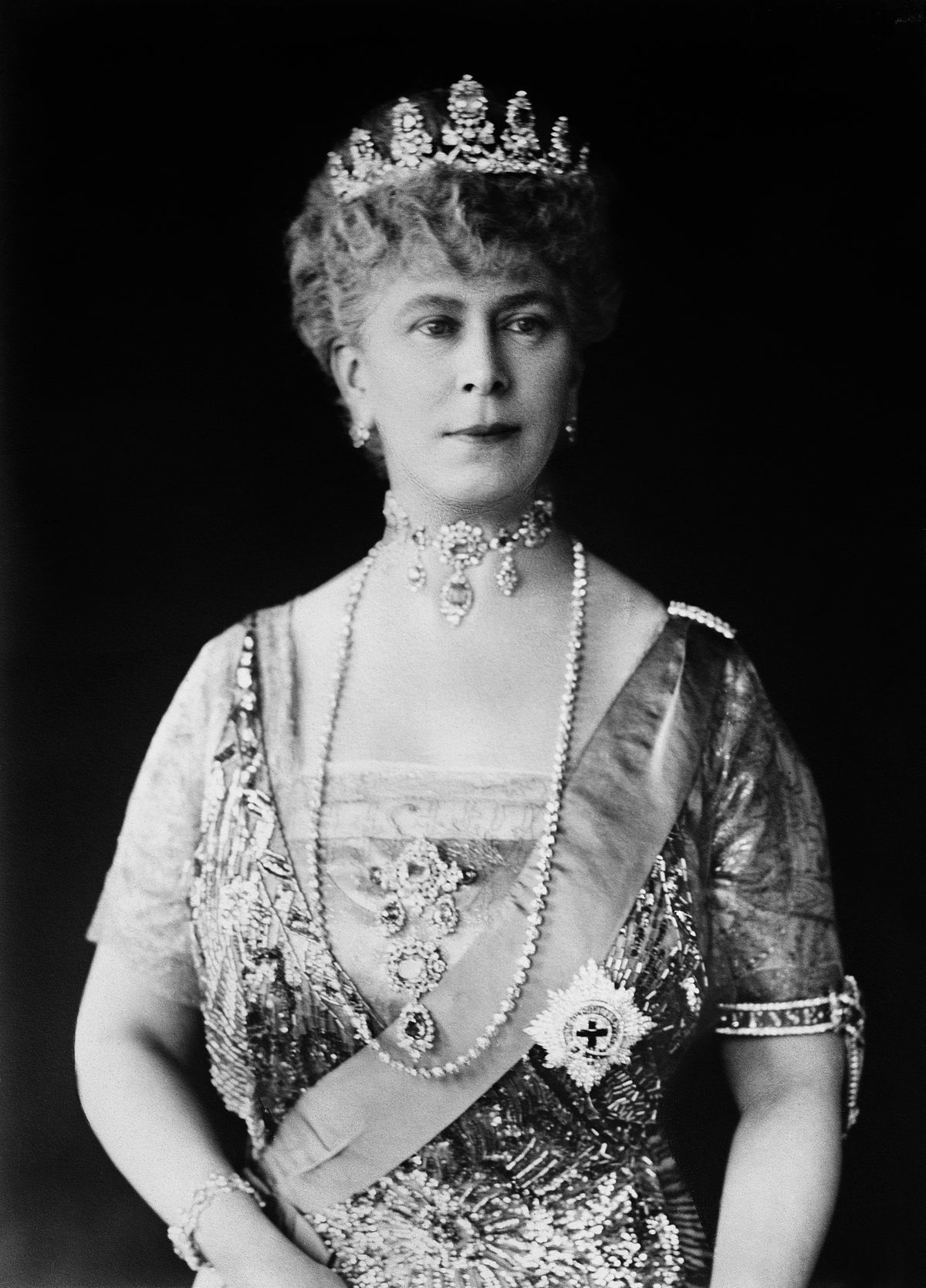
Within this inner sanctum, for two painstaking hours, he hammered the phrases into artful composure. Each word, repeated with relentless dedication, was an act of defiance against both enemies abroad and insecurities within. It was whispered that although he began with faltering attempts, by repetition, he gradually coaxed his voice from its jittery prison into a vessel of calm determination. As the son of Queen Mary, a paragon of royal steadfastness, and a symbol to his daughter Elizabeth, the future Queen, George VI dug deep—a determination born from a lineage of resolute ancestors.
The Warmth of Courtly Support
George VI never faced these tribulations alone. His beloved wife, Queen Elizabeth—later the Queen Mother—stood as his pillar of unfailing support. Her encouragement unfurled as a tapestry of love and strength, providing him the fortitude to face a public still skeptical of the monarchy after the drama of abdication. With her quiet wisdom, it was she who often believed in him more fervently than he believed in himself, whispering hope in times of doubt.
In addition to the Queen's support, Lionel Logue, his trusted speech therapist, had played an instrumental role. A partnership with roots in the painful transformation from Duke to Monarch, Logue's unconventional methods and the mutual respect they fostered had first begun before and continued beyond the mirroring exercises, a precedent seen in their bond depicted in the acclaimed film "The King’s Speech." Logue’s influence extended into the king's very psyche, offering not solutions in elocution alone, but a restoration of confidence.
An Address to Unite a Nation
When the time came for King George VI to step before the microphone in the resonant surroundings of his palace, he carried more than just the historical weight of his monarchy. He bore the collected courage garnered in that quiet room, standing not just as a king but as a compatriot to his people. The following words he delivered with remarkable dignity encapsulated the British spirit: "In this grave hour, perhaps the most fateful in our history...I cannot say I believe that any of us are unworthy of our cause."
The speech found footing in authenticity and gravitas. Broadcast across the airwaves to city dwelling and countryside alike, it was met with profound solemnity. A collective stir of resolve reverberated in the hearts of the British, galvanizing a population under threat, yet defiantly hopeful. What could have been a stumbling bloc instead became the cornerstone of national resolve.
Legacy of Courage and Resilience
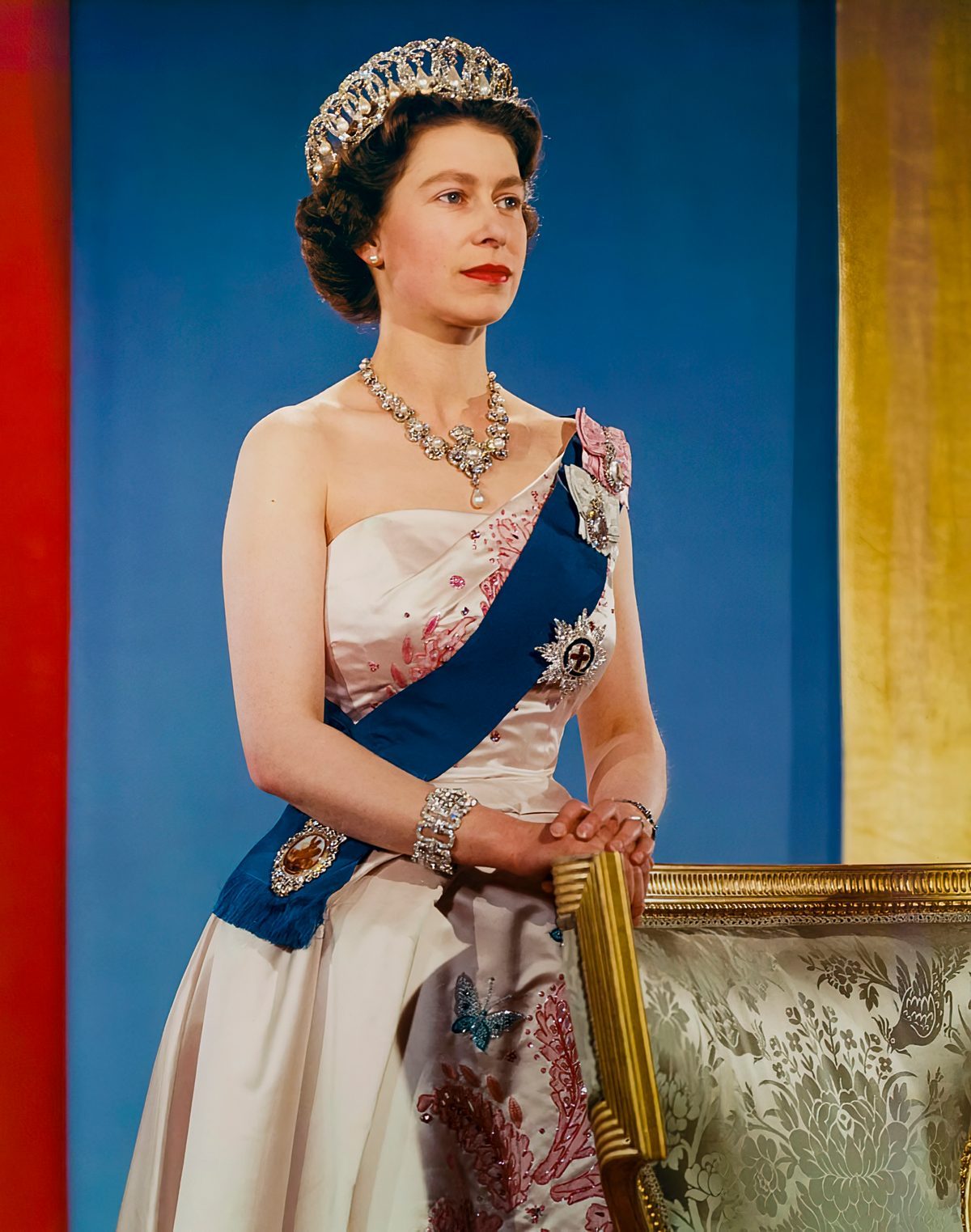
At the core of this compelling narrative lies the indomitable spirit of a monarch who never sought the crown yet wore it with unyielding grace. King George VI's perseverance—evident in his private rehearsal before an unyielding mirror—transcends the chapters of history to remind us of formidable strength amidst vulnerability. His example lived on in his daughter, Queen Elizabeth II, and echoes in the structure of the modern monarchy today—a testament to adaptability and resilience.
The morning of George VI's introspective practice serves not only as a vignette from the past but as a lens through which to view the essence of leadership. As today’s royal family navigates new challenges in a rapidly evolving world, the lessons of history speak softly yet powerfully to the lasting influence of steadfastness and duty.
King George VI’s defining moment beneath the mirror's gaze whispers an eternal truth: that leadership is less about unyielding perfection and more about human courage when facing the unknown. In those whispered words and steady transformation, the king forged not just policy—but hope. A beacon, even now, at the heart of Britain's royal legacy.
📷 Photo: Royal Air Force official photographer. Public domain via Wikimedia Commons.