Among the dispatches, the red boxes, and the portraits of heads of state, Queen Elizabeth II kept something unexpected on her private desk at Sandringham. A small, hand-stitched cloth doll she had owned since girlhood. Seventy years on the throne. One small toy that never left her side. This is the story of that doll — a silent witness to the many changes, trials, and triumphs in the life of Britain's longest reigning monarch.
A Stitch in Time: The Origins of a Cherished Companion
In the grand tapestry of British royal history, it is often the smallest details that can tell the most compelling stories. While Queen Elizabeth II’s extraordinary life was filled with moments that altered the course of history, there was also a more intimate, private narrative. At its heart was not a crown or scepter, but a simple cloth doll, its colors faded with age, threads fraying gently over the decades.
This doll, handmade with care and love, entered young Elizabeth’s life during a simpler time. Known for her practical nature and affectionate demeanor, the Queen was gifted this doll at an early age, rumored to have been crafted by a close family servant or perhaps an eager relative. While the exact origins remain shrouded in time, as things often are in royal circles, one thing stands clear: this doll was more than just a piece of fabric and thread. It was a comforting presence, a steadfast companion through the vicissitudes of life.
Beyond the Palace Gates: A Relic of War-Era Childhood
As World War II unfolded, a young Elizabeth, just a teenager, experienced firsthand the uncertainties and constraints of a nation at war. The royal family, much like their subjects, faced rationing, blackouts, and the constant threat posed by enemy attack. Yet within the walls of Windsor Castle, where the sisters Elizabeth and Margaret often found refuge, the doll represented a continuity of innocence. It was a tangible reminder of familial warmth in a world trembling with change.
Stories from the era recount how these cherished possessions became vital grounding tools amidst chaos. The doll, with its unwavering presence atop Elizabeth's desk, became a metaphor for endurance — a steadfast emblem of constancy as she transitioned from carefree youth to a young woman burdened with the increasing responsibilities of future queenship.
The Veil of Royal Privacy: Moments Shared and Unseen
As the years unfurled, propelled by the winds of change and history, Elizabeth ascended the throne in 1952. Her public life became a magnificent spectacle of ceremony and duty. Yet, nestled within her private sanctuaries, particularly the comforting walls of Sandringham, this miniature cloth companion remained resolute. Unlike the glamour and grandeur synonymous with royal memorabilia, this humble token was never intended for public eyes, its significance known solely to the Queen.
Sitting among the imposing accents of regal décor, the doll was a silent marker of Elizabeth’s personal history amidst a life heavily documented by the world. While meeting international dignitaries or reviewing correspondence, perhaps it provided a moment of retreat; a fragment of normalcy recalling a childhood spent away from public life’s relentless demands.
Royal Family and Treasured Heirlooms
The British monarchy, famed for its illustrious collection of stately heirlooms and historical artifacts, prioritizes memories and tradition. Within this continuum of legacy, the Queen’s desk at Sandringham reflected a deeply personal narrative. Perhaps this unassuming doll forged an irreplaceable connection to loved ones lost and cherished, particularly her beloved father, King George VI, whose steady hand guided her earliest royal footsteps.
It invites pondering: how might such a simple item reflect the innate humanity of a Queen? The enduring nature of childhood acumen, holding fast to youth’s innocence, even when destiny charges one with the sturdiest of responsibilities? Nestled quietly beside ink wells and royal seals, the doll’s persistent presence hints at deeper, untold stories.
A Queen's Enduring Anchor: Lessons for Modernity
As Queen Elizabeth II gracefully navigated the trials of time, her unchanging devotion to duty, family, and country never wavered. Her life was a synergy of tradition interwoven with modernity, a living bridge linking generations. The doll’s continued residence on her desk spoke volumes in its quiet, dignified manner, securely tying the present to an ever-evolving past.
In an age marked by digital revolutions and rapid passage, it becomes increasingly rare to uncover elements of such lasting personal relevance. Queen Elizabeth’s fond attachment to her doll invites reflection on the timeless power of memory; of small, seemingly insignificant objects that carry within them the weight of heartfelt connections and formative experiences.
Throughout her reign, Queen Elizabeth II endeavored to ensure that the monarchy adapted to shifting social landscapes while preserving a sense of enduring commitment to history’s lessons. Through hardships and celebrations alike, she managed to convey a sense of steadfastness blended with gentle compassion.
Reflecting on a Monarchy Poised for the Future
As we look back at Queen Elizabeth II's remarkable era, the image of a small, hand-stitched doll on her desk becomes more than a charming anecdote. It speaks profoundly of identity, values, and the poetic linkages that define a lifetime. Her treasured companion personifies the link between past and present, a reminder that at the heart of the grand institution is a human story — relatable, poignant, and universally resonant.
With each transition, the British monarchy finds itself buoyed by legacies, both grand and humble, that contribute to its enduring strength. As new chapters unfold, the spirit of warmth, empathy, and resilience that Queen Elizabeth II exemplified will surely guide future generations. And perhaps, amidst all the change, a small cloth doll will continue to symbolize the quiet, unwavering anchor of tradition.
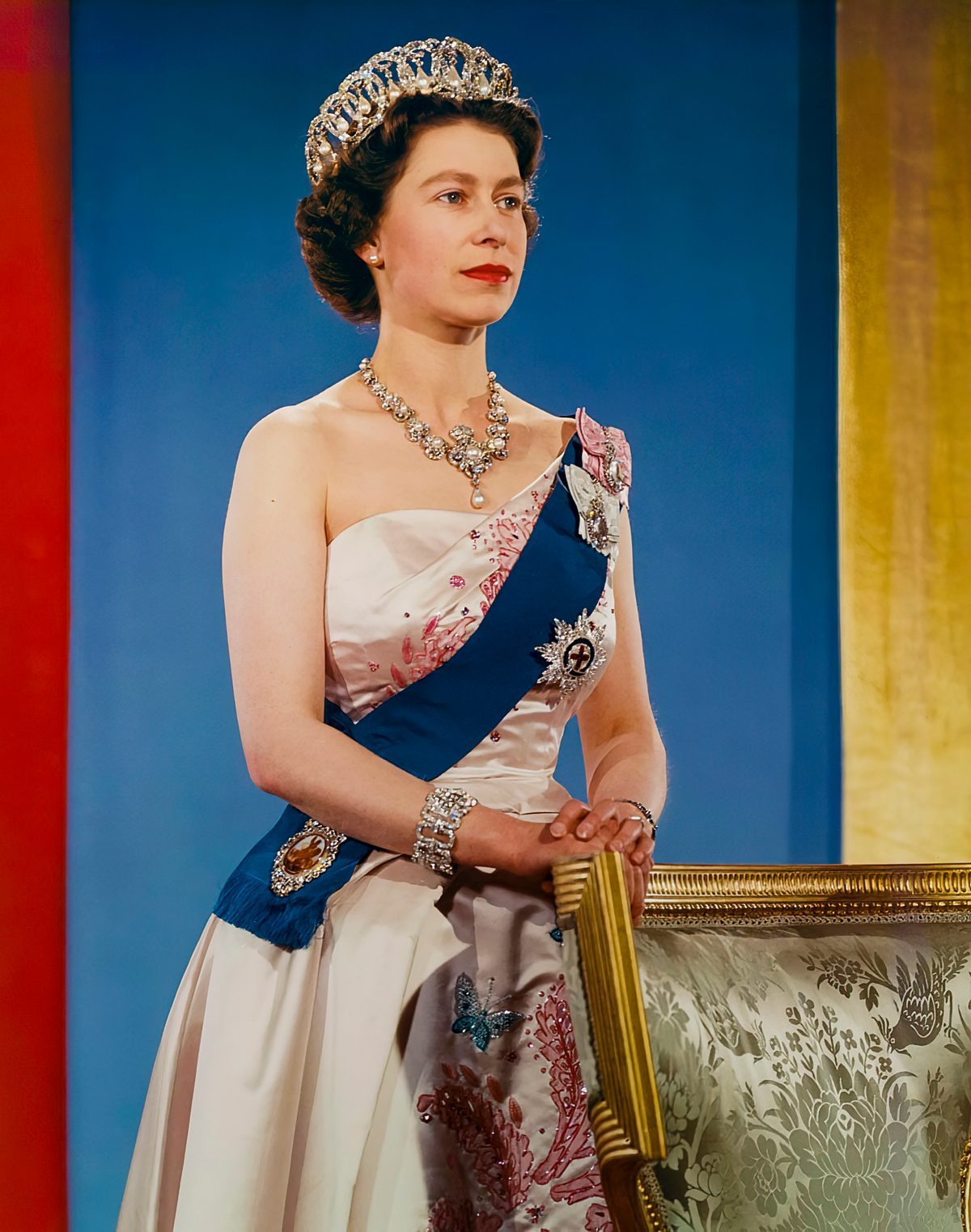
📷 Photo: Donald McKague. Public domain via Wikimedia Commons.