The Invitation Queen Mary Sent to a Bombed-Out Bride
In the bustling city of London during the autumn of 1940, amidst blackouts and sirens, a young bride-to-be faced a disheartening reality. Her dreams of walking down the aisle were suddenly cast into disarray when a German bomb destroyed her home. Of her cherished possessions, nothing remained, not even her pristine wedding gown, a symbol of hope and new beginnings. Yet, the fate of this bride took an unforeseen turn when the compassionate Queen Mary intervened. From her residence at Badminton House, the former queen consort orchestrated a gesture so generous and unexpected that it became etched forever in the annals of wartime history—a testament to her empathy and regality.
An Era of Uncertainty and Resilience
The year was 1940, and Britain found itself engulfed in the relentless onslaught of the Blitz. Londoners faced nightly raids that left the city shrouded in smoke and debris, the air thick with both apprehension and resilience. For countless civilians, life had become a tapestry of uncertainty, stitched with the ever-present threat of loss. Yet even amidst such turmoil, the spirit of the British people remained unbroken, keeping tradition and duty close to their hearts—even as bombs rained down from the sky.
One such life touched by the chaos of war belonged to a young bride whose name, regrettably, has been lost to history. As she emerged from the wreckage of her dwelling, the absence of her treasured wedding dress symbolized more than just a lost material possession; it marked the eclipse of a cherished dream. Yet, unbeknownst to her, this story of personal tragedy and perseverance would soon spark the attention of royalty.
Queen Mary: The Heart of the Monarchy
Queen Mary, mother to reigning King George VI, was more than just a matriarch of the royal family; she embodied the steadfastness and dignity that the British monarchy symbolized during a time of national strife. Despite her earlier life being firmly rooted in the opulence of Edwardian England, Queen Mary adapted to the winds of change with remarkable grace. Her intelligence, fervent interest in the arts, and deep commitment to public service lent her a reputation of regal authority tempered with humanity.
While staying at Badminton House during the war years, Queen Mary was far removed from the direct line of danger impacting London. However, her heart remained with the people, particularly those enduring hardships. When news of the bombed-out bride reached Queen Mary's ears, she was moved to act. Known for her quiet but profound gestures, the queen demonstrated the power of empathy through her actions, reinforcing the monarchy's role as a beacon of hope and support.
An Invitation to Hope
The young bride's story touched Queen Mary enough to spur an extraordinary response. Recognizing the symbolic weight a wedding dress carries, Queen Mary offered a gown from her own wardrobe. The gesture was more than a mere loan of fabric and lace; it was an extension of royal compassion, a bridge between the struggles of ordinary folk and the privileges of the Crown. Alongside the dress, Queen Mary arranged for a royal car to transport the bride—an emblem of the monarchy’s reach beyond palace walls into the very heart of its subjects' lives.
Though the precise dress chosen by Queen Mary remains unknown, the queen's collection was renowned for its elegance and grandeur. The bridegroom’s tale, woven into the waist and hem of the garment, became part of a larger narrative—a tale of resilience, community, and the enduring bond between the Crown and the Commonwealth.
Legacy of Compassion
The story of Queen Mary's intervention did not stay confined within whispers and wartime circles; it rippled through history, embodying the spirit of the British monarchy at its finest. For the young bride, the gift was more than just the fulfillment of a wedding day—it was a lifeline that constructed new dreams from the ashes of despair. The memory remained a cherished cornerstone in the bride's own history, as enduring as the vows that carried her through to the end of her days.
The royal family's role in this poignant moment illustrates the monarchy’s silent power to influence lives through acts of kindness and underscores a longstanding tradition of service. This small, yet extraordinary event, tucked neatly between grand state ceremonies and public appearances, serves as a reminder of the monarchy’s enduring relevance. The story transports us back to a time where unity became the light within the darkness, much like the bride's journey, intricately woven with strands of hope and a borrowed royal thread.
Today, stories such as these continue to capture our imagination and admiration, highlighting not only the monarchy's historic presence but its evolving narrative in a modern world—a narrative where compassion transcends class and circumstance, connecting us to a shared past that is as relevant now as it was then.
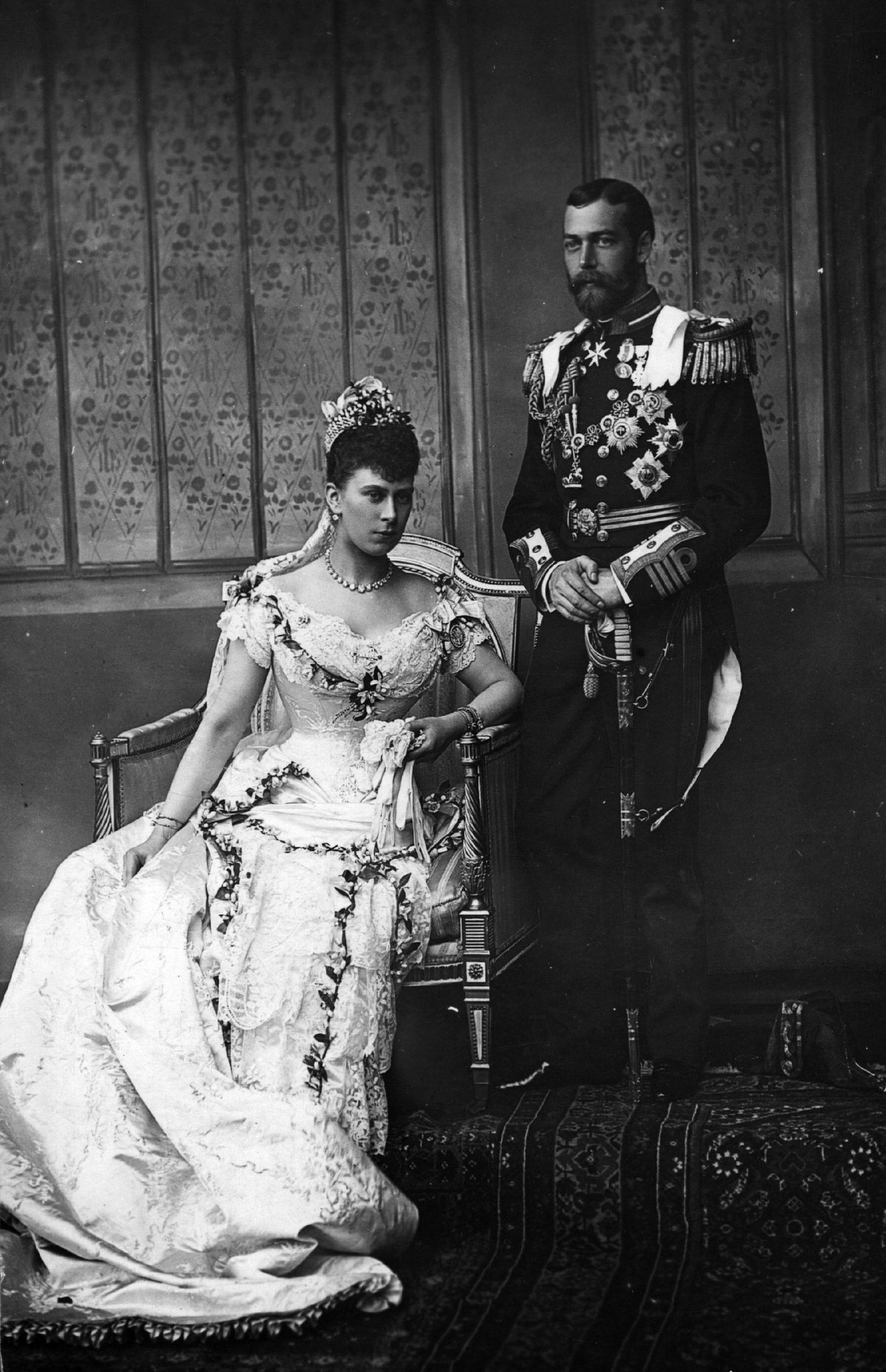
📷 Photo: W. & D. Downey. Public domain via Wikimedia Commons.