The Christmas That Changed Dining Traditions
As the winter of 1939 enveloped Britain, a somber atmosphere permeated even the grand halls of Buckingham Palace. The shadow of war had descended in September, leaving the country and its monarchy at the brink of an uncertain future. It was against this backdrop that King George VI made an extraordinary decision which echoed through the corridors of power and made its way into the hearts of the people he served. It was Christmas Day, and while the world prepared to celebrate the festive season with pomp and joy, the King himself faced a poignant reminder of the years to come.
Customarily, Christmas at the palace meant a resplendent spread in the King's private quarters, replete with fineries and attended to by his royal entourage. Yet, in 1939, things were starkly different — much of the palace was transformed to accommodate wartime functions and many staff members had been reassigned or had joined military efforts. And here lay the simplicity of George VI’s remarkable gesture: rejecting an opulent and lonely meal, he chose instead to share his Christmas dinner intimately with the palace staff, side by side in their modest hall.
War Changes Everything
The year 1939 was a time of profound change for the British nation and its leaders. King George VI, though initially reluctant to assume the throne when his brother, Edward VIII, abdicated in 1936, had quickly grown into his role as a stabilizing force. Known for his quiet determination and sincerity, the King became a beacon of hope and a symbol of unity in a divided and anxious world.
While the royal family maintained much of their traditions amidst the turbulence, the pervading threat of war had forced many royal ceremonies and events to adapt. With certain parts of the palace now focusing on war functions, George VI recognized the need to demonstrate solidarity and shared purpose. Christmas 1939 was a poignant moment, symbolizing hospitality and humility in equal measure.
The Unusual Christmas Dine-In
On Christmas morning, the palace household bustled as usual, though there were fewer guests, less ceremony, and less pageantry. Yet behind closed doors, an unexpected royal decree resounded: King George VI wanted his Christmas dinner to be served in the servants' hall beside his staff. Rather than summoning them to the opulence of his dining room, he descended into the very heart of the palace’s working community.
As he settled into a seat among the footmen, chambermaids, cooks, and attendants, the King broke bread with those who were ever-present yet seldom spotlighted. Laden with delight and disbelief, the palace staff were flabbergasted, with many overwhelmed by emotions at this gesture of equality and genuine camaraderie.
A Gesture Illuminated
Why did King George VI choose such an unprecedented course? It’s known that his wartime resolve and dedication to his people left a profound impression. Sharing a meal with his staff was not just an act of kindness; it was a deliberate signal — an assertion of his commitment to the nation's spirit, reminding all of unity in adversity.
By abandoning protocol to join his staff, the King bridged the often insurmountable divide between the sovereign and his servants. It was an enduring symbol of empathy; a moment of shared humanity that cut through the hierarchy and illuminated the monarch as deeply mindful of the struggles faced by ordinary people.
Lessons in Leadership and Humility
The Christmas dinner of 1939 stands as a vivid reminder of the power of humility in leadership — a lesson that resonates across generations. King George VI’s gesture was far more than a mere dinner choice; it embodied the very essence of kinship and equity that he espoused throughout his reign.
Today, such tales offer solace, highlighting the potential for warmth and connection in times of division and uncertainty. Just as George VI’s actions exemplified his heart for service beyond a royal title, modern leaders can draw from his example — leveraging small acts of unity and understanding to foster a more compassionate world.
The story of a King who chose to dine with his staff during the darkest winter of war invites reflection on how traditional barriers can be overcome with kindness and conviction. For royalists who cherish the legacy of King George VI, his remarkable Christmas dinner remains a beacon of humanity amidst the grandeur of history.
Bright traditions, be they as old as the monarchy itself or as innovative as a king eating with his staff, wither under the weight of adversity yet flourish when fueled by earnest acts like these. Christmas 1939, this gathering in the servants' hall, was a feast not just for the palate but for the soul, embodying the spirit of resilience, togetherness, and unyielding dignity that defined King George VI’s lasting impact.
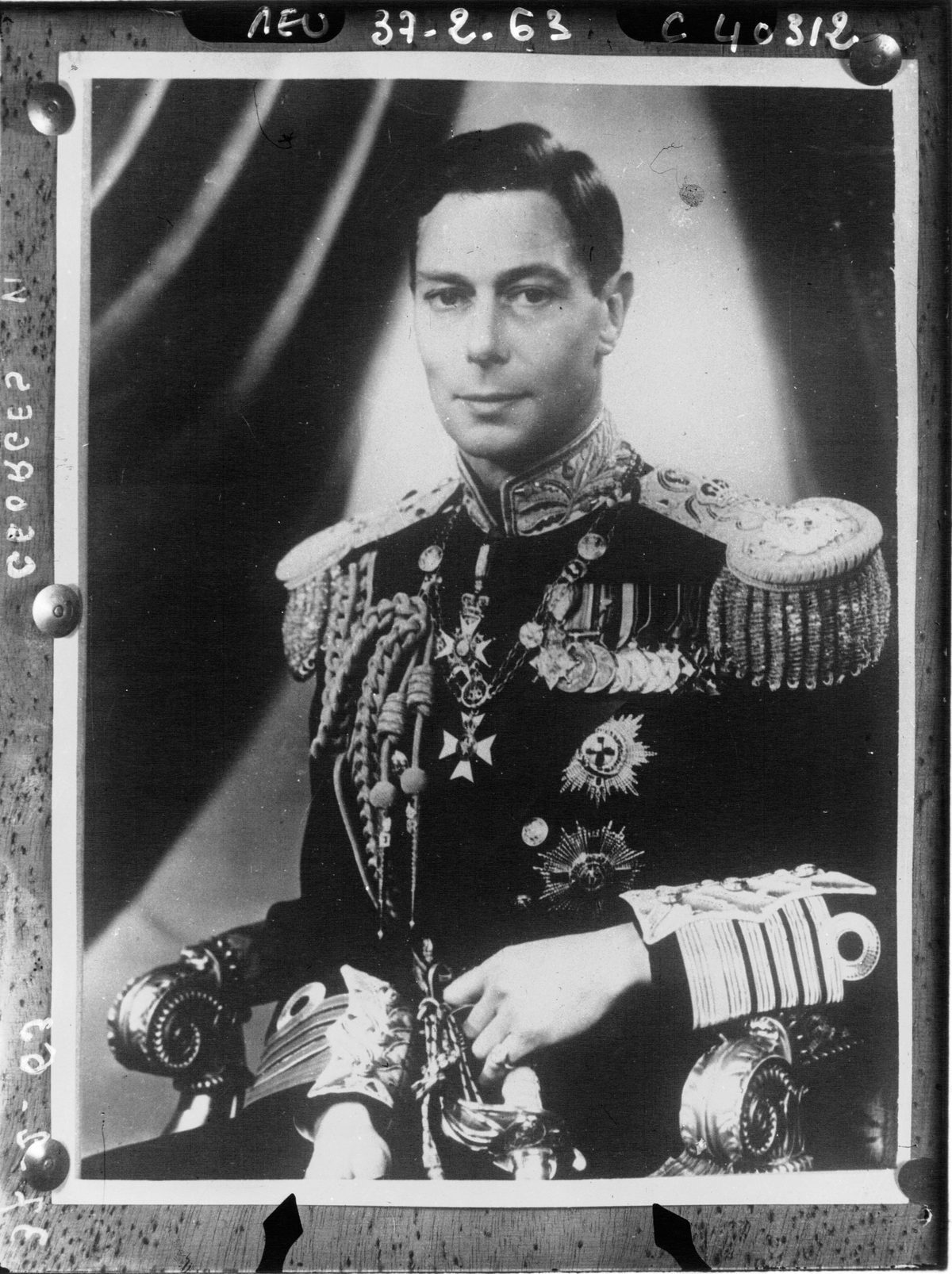
📷 Photo: Agence de presse Meurisse. Agence photographique (commanditaire). Public domain via Wikimedia Commons.