In September 1939, amidst the ancient stone walls and sweeping landscapes of Balmoral Castle, a quiet thirteen-year-old sat solemnly at a writing desk. She was not yet Queen Elizabeth II, nor a symbol of steadfastness, yet this young princess held an understanding that transcended her years. As the ominous tide of war crashed over Europe, this girl — Princess Elizabeth — picked up her pen to reach out in the most human of gestures: with letters written to those children torn from their homes and cast into the uncertainty of evacuation. Her words offered connection and hope, a delicate lifeline in a world engulfed by turmoil.
Wartime Whispers: The Unseen Efforts of a Young Princess
It was an autumn in 1939 when the specter of war crept silently into the resilient halls of the British monarchy. Yet, behind the solemn duty and ceremonial affairs, a young Princess Elizabeth felt the weight of the world shift. The start of World War II not only changed the geopolitical landscape but also profoundly affected the daily lives of British citizens, especially the children who were evacuated from their homes in major cities like London to the countryside to keep them safe from air raids.
Amidst these uncertain times, a young Elizabeth approached Marion Crawford, affectionately known as “Crawfie,” her dedicated governess. She requested pen and paper, inspired by a humble yet powerful idea — to write to every child she had ever met who had been affected by the evacuations. In the midst of royal duties and lessons, Elizabeth wanted to remain, in her heart, a friend to those children, offering comfort through her words.
Balmoral Setting: A Royal Life in the Scottish Highlands
Balmoral Castle, set against the majestic Highlands of Scotland, provided the royal family with a secluded retreat far from the bustling life of London. It was within these walls that young Elizabeth and her sister, Princess Margaret, spent many joyful childhood days, exploring the highland heaths and playing in the grand, echoing halls of the castle. This setting, serene yet grand, was where Elizabeth's character was quietly sculpted by family values, duty, and an unshakeable sense of compassion.
The castle’s granite grey exterior belied a warmth inside that fostered creativity and learning. It was in Balmoral’s study that Elizabeth’s earnest letters took form — heartfelt, handwritten missives meant to reach beyond the stone to the broader world, one child at a time. There was no press, no proclamations; just a young girl, a writing desk, and the swirls of ink poured onto paper.
The Lonely Journey of a Message in Time
Of all the letters Elizabeth wrote, it is known that only one has survived the ravages of time. This solitary piece of correspondence serves as a poignant reminder of the empathy that was core to her being even at such a young age. The details of her letters remain largely private, likely filled with personal anecdotes and a sincere wish for peace and happiness. It’s believed that these messages offered a comforting reassurance to those young evacuees — a reminder that they were not forgotten and that the future held hope.
This surviving letter, now carefully preserved, echoes with the profound insight of a young girl wise beyond her years. Within its faded pages lies not only a message to a single recipient but an expression of unity and resilience in the face of adversity — qualities that would come to define her reign.
A Timeless Legacy: Governesses, Empathy, and Future Queens
Princess Elizabeth’s years under the tutelage of governesses like Marion Crawford were rich with lessons beyond traditional education; they taught understanding and compassion. These early influences equipped her with a unique sensitivity towards issues facing those less fortunate and a natural inclination to connect with her future subjects on a personal level.
Though her words were written in the twilight of her childhood, the spirit of these letters lingered as one of the numerous threads intertwining her youthful sense of duty with her future role as Queen. This early act of outreach was a precursor to her reign marked by quiet diplomacy, a personal touch, and an overarching sense of duty to bind together the realm.
Reflections Across the Decades
The autumn of 1939 is but a distant memory in the vast tapestry of the British monarchy’s history, yet the echoes of young Elizabeth’s letters persist. They remind us of a truth about leadership that transcends time: genuine connection, compassion, and support are as vital to the fabric of society as any policy or action. The young princess’s instinctive turn to pen and paper in the face of crisis exemplified these values that she would carry into her years as the beloved Queen Elizabeth II.
In today's rapidly changing world, where disconnection can feel prevalent and voices often go unheard, tales like that of thirteen-year-old Elizabeth at Balmoral hold a potent reminder of the enduring power of the written word and human empathy. Her actions as a young girl offer inspiration, illustrating that leadership marked by compassion can steer us through even the darkest of times.
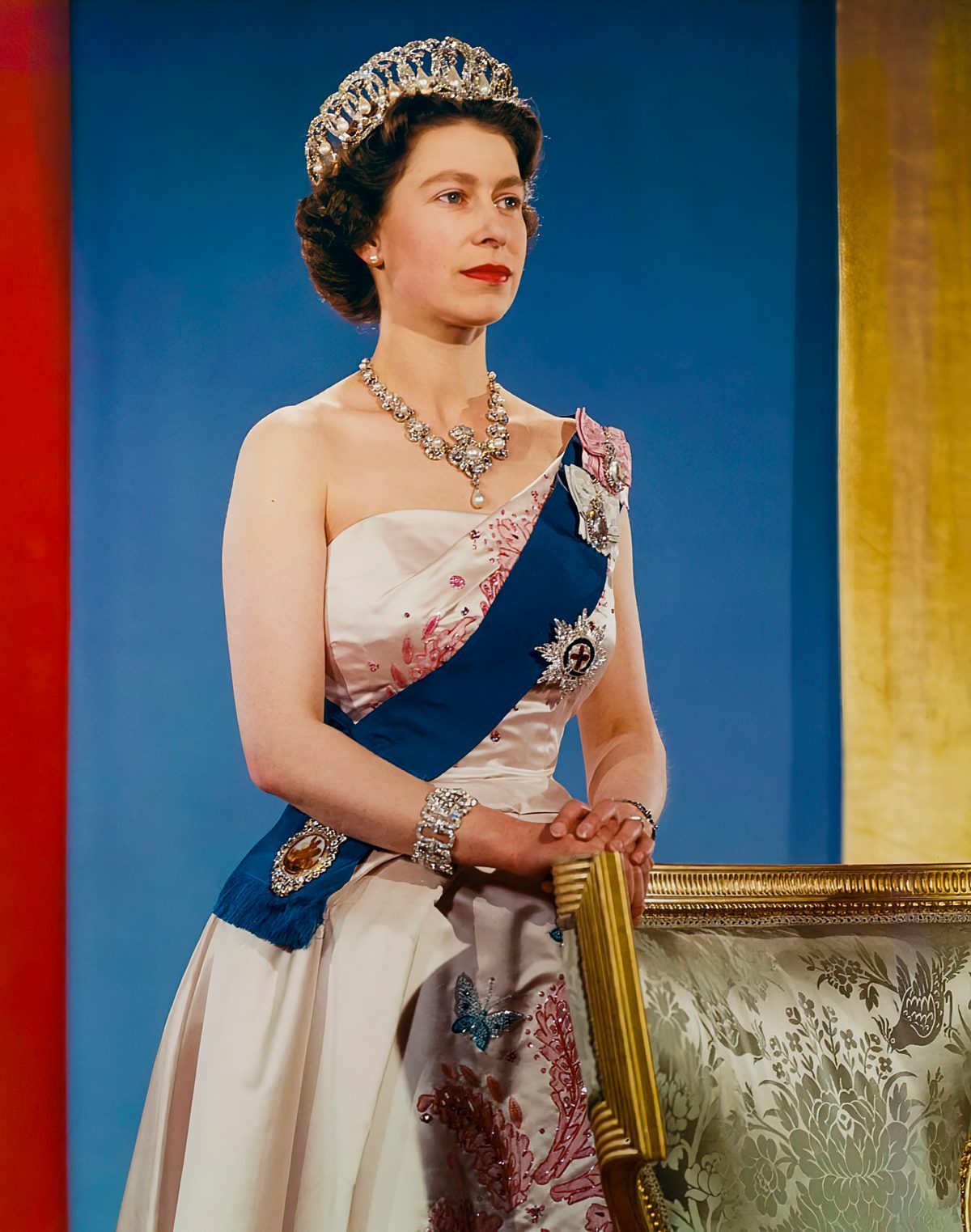
📷 Photo: Donald McKague. Public domain via Wikimedia Commons.