In the vast corridors of British history, the love story of Queen Victoria and Prince Albert shines brightly—a beacon of passionate devotion and unwavering companionship. Yet, few moments in their storied union are as poignant as the final farewell Queen Victoria bestowed upon her beloved Prince Albert in December 1861. At a time when grief could have swallowed her whole, Victoria chose to express her love through a quietly intimate act that remains one of the most tender footnotes in the annals of royal history.
The Nation Mourns
As 1861 rolled to its somber close, the British Empire was plunged into grief. Prince Albert, the Prince Consort and beloved husband to Queen Victoria, succumbed to typhoid fever at the age of just 42. His death devastated the Queen and sent ripples of sorrow throughout the kingdom. The Prince's passing was not merely a personal tragedy for Victoria; it was a colossal event that shook the nation to its core. Albert had been a towering figure—steadfast, conscientious, and innovative. His influence reached far beyond the confines of Buckingham Palace, affecting everything from industrial progress to educational reform.
In the days following his death, the air around the royal court was thick with melancholy. Draped in black, the Queen struggled under the weight of her sorrow, her once vibrant spirit subdued by the loss of her life’s companion. While the public ceremonies and rituals of mourning proceeded with all their requisite dignity, behind the stone walls of the palace, Victoria's grief was raw and impassioned.
A Quiet Farewell
On the day of the funeral, a few select souls witnessed a deeply private moment. Before the coffin was sealed forever, Queen Victoria attended to a task both tender and heart-wrenching. She placed a plaster cast of Albert’s hand inside the coffin—a tactile reminder of the countless times that hand had held hers through life's manifold challenges and joys. This simple cast was a tribute to the physical closeness they had cherished throughout their marriage.
Yet the cast was only the beginning. In a gesture that spoke volumes of her undying affection, Victoria gently tucked in a lock of her own hair alongside the hand. The significance of this act is profound. Through this intimate offering, she ensured that a part of herself would accompany Albert into eternity—a symbolic promise of their inseparability, even in death.
The Ties That Bind
Victoria and Albert's union was not merely a marriage of convenience between European royals; it was a genuine love match. The couple wed in 1840, and their bond quickly became legendary. As inseparable as they were, they also complemented each other’s strengths—Victoria’s charisma and forthrightness paired with Albert’s intellect and prudence. Together, they navigated the complexities of monarchy, modernizing the royal family and advancing an empire straddling the heights of its power.
Albert’s support allowed Victoria to flourish as a ruler while she supported his ventures into education, science, and the arts. They were partners in every sense of the word. In an era when royal marriages were often strategic rather than affectionate, their deep connection was a source of fascination and admiration for their subjects.
Their partnership extended beyond the political realm into their personal lives where they raised nine children amidst a whirlwind of state duties. Victoria often described Albert as her "angel" and her "guide," emphasizing how integral he was to every aspect of her existence. It’s no surprise then that her grief manifested as an aching desire to keep him close, even in the tomb.
Legacy of Love
For the rest of her life, Queen Victoria would be defined by a heart-rending devotion to her late husband. She donned widow’s black for forty years, her weeds serving as both an outward expression of her sorrow and an enduring tribute to Albert. Her residences were transformed into shrines that immortalized him—a testament not only to her grief but also to an enduring connection that transcended earthly bounds.
The longing to keep Albert close transcended the symbolic boundary of death, reflecting a belief in a connection that was beyond the corporeal, etched into the heart and soul. Such gestures might seem anachronistic in today’s world, but they remind us of a time when love endured, potent and implacable, even when veiled by grief.
A Timeless Reflection
The love note that Queen Victoria slipped into Prince Albert’s coffin serves as a powerful testament to the endurance of true affection. It highlights the humanity behind the royal façade and connects us to a queen remembered not merely for her reign but for her profoundly human heart. Mourning is a universal experience, unrestrained by time or status. Through Victoria’s story, we see that even those destined to live in the public eye yearn for the private solace of cherished memories.
As we look to the example of Victoria and Albert today, their legacy reminds us that, although surrounded by opulence and duty, it is the humility and vulnerability of love that endure. In a fast-paced modern era, their story is a cherished reminder of the beauty found in steadfast loyalty and shared purpose, offering us lessons that remain as powerful now as they ever were.
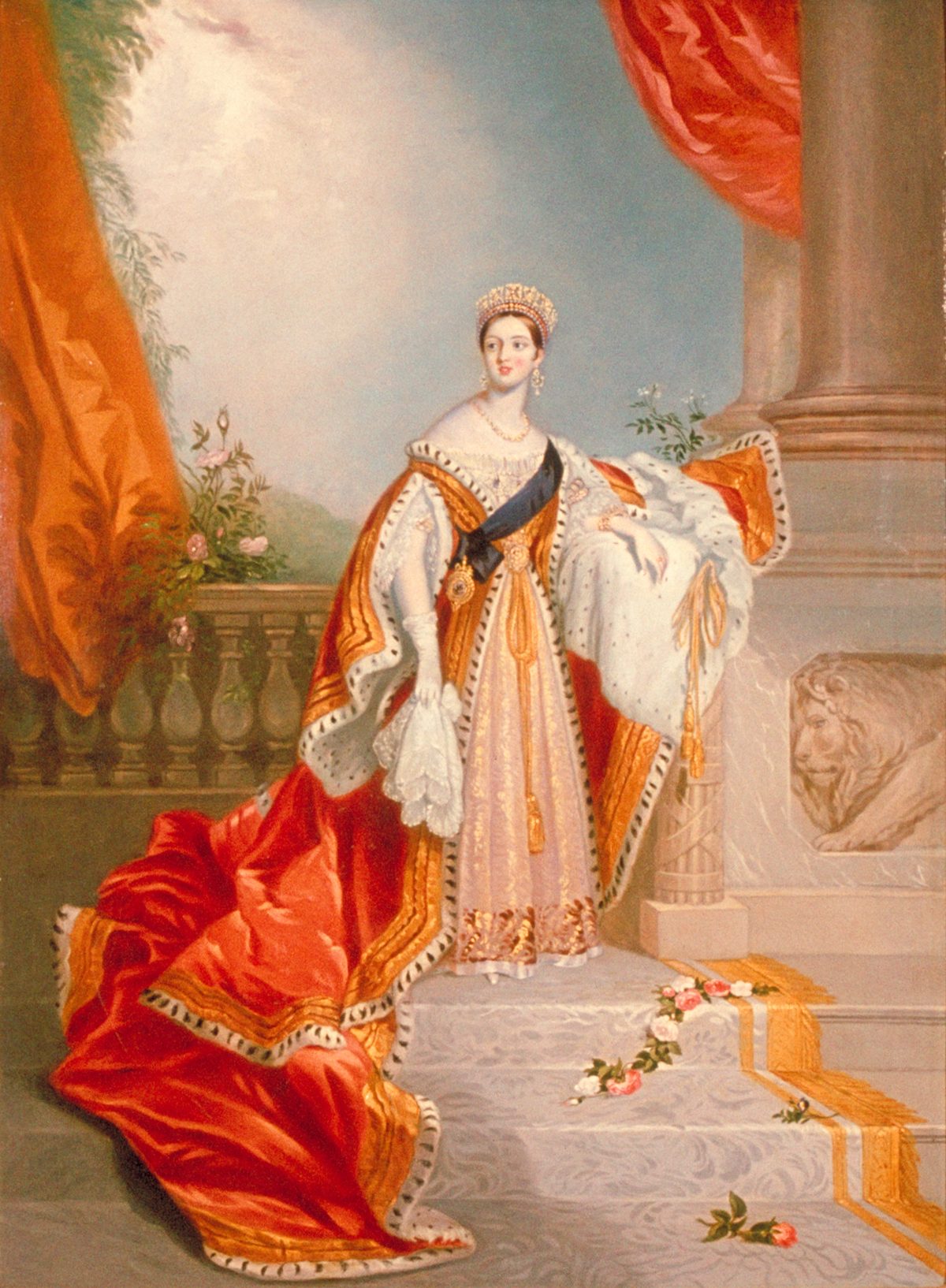
📷 Photo: Alfred Edward Chalon. Public domain via Wikimedia Commons.