On a September morning in 1939, a profound silence swept across Britain. Citizens gathered around their radios — the hallowed portals through which news of war and peace alike would reach them. The nation stood on the brink of a conflict that would redefine its future and indeed, change the shape of the world. It was a momentous day staged not on the battlefield but within the elegant confines of Buckingham Palace, where King George VI prepared to address his people. The king, who had endured a deeply personal struggle with a debilitating stammer, stood before the BBC microphone with nerves steady as never before, ready to deliver one of the most pivotal speeches of his reign.
The Weight of Words
The morning of September 3, 1939, was one that no British subject ever foresaw with hope, yet its arrival loomed with an inevitability that could not be ignored. Germany's aggressive expansion under Adolf Hitler had plunged Europe into turmoil. As nation after nation was drawn into the conflict, Britain faced an unavoidable decision: to declare war or stand idly by. Prime Minister Neville Chamberlain's attempt at peace had met with failure, and now a declaration of war was necessary.
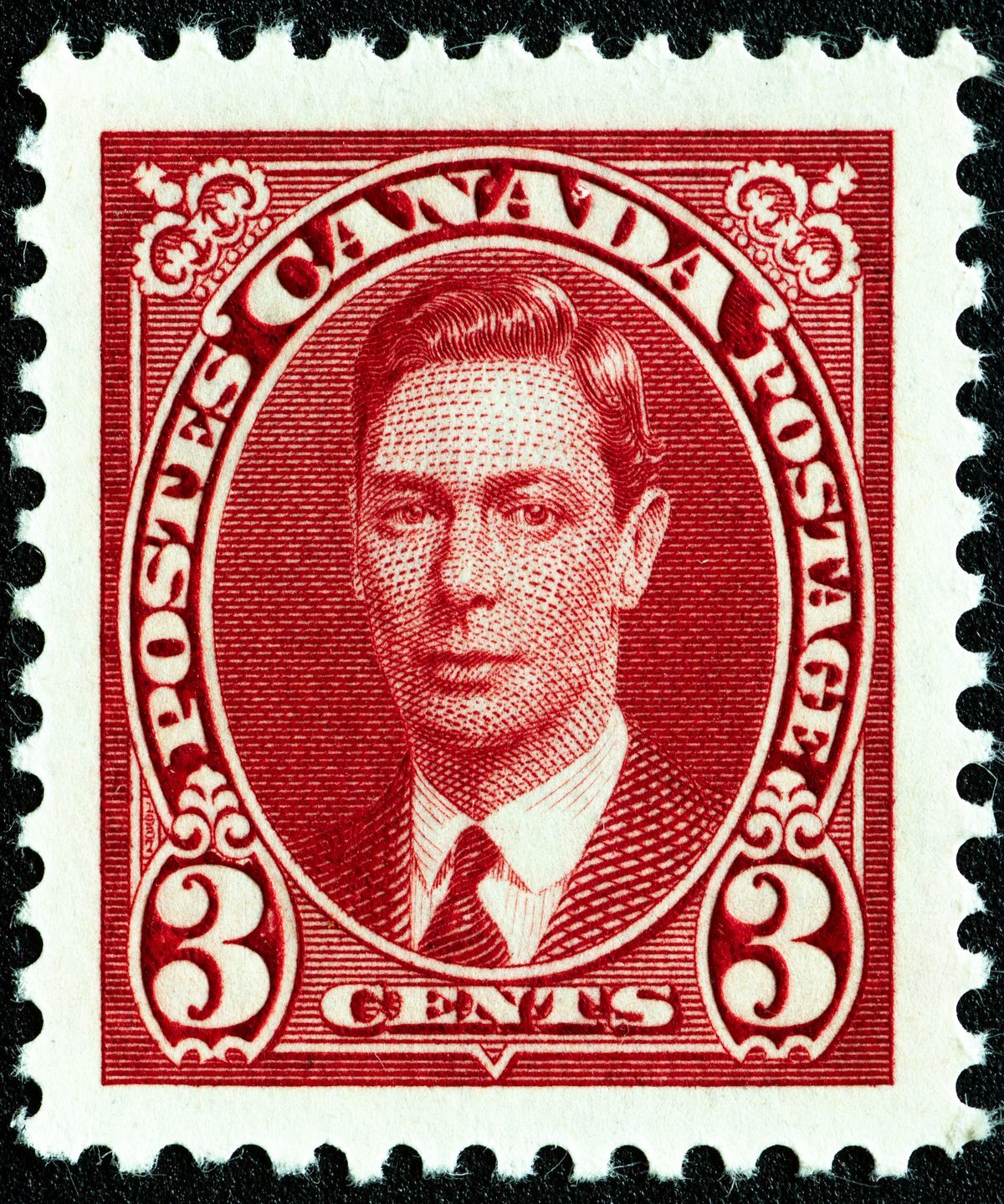
For King George VI, the task of addressing the nation came with both courage and trepidation. Known affectionately as 'Bertie' within his family, George VI was a man defined by his quiet resolve. Unlike his brother David, who abdicated as King Edward VIII in 1936, he had never anticipated the crown. His ascent to the throne required a transition not just of title but of personal triumph over adversity. George VI's struggle with his speech had been long, but it was in moments like these that his resolve truly shone. The speech — broadcast by BBC Radio across the Empire — was both poignant and unifying, as the king spoke directly to the hearts of his people and, in effect, to the free world.
The Steadying Hand of Duty
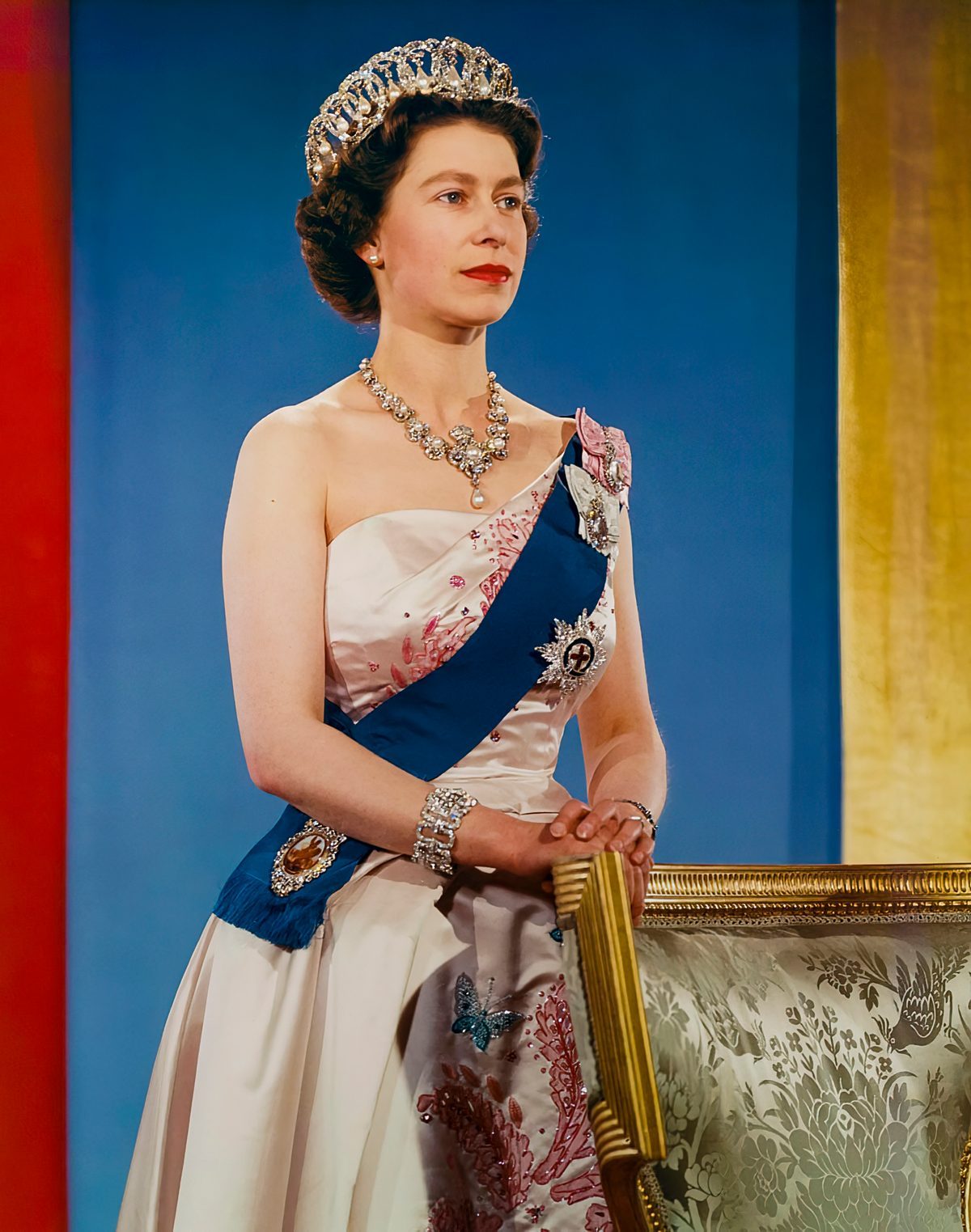
The royal family of 1939 was a bastion of continuity and tradition, pillars of reassurance in uncertain times. Queen Elizabeth, later the Queen Mother, represented stability alongside her husband with a dignified poise greatly admired by the public. Together, they embodied the resilience of the British people. For George VI, the support of his wife and daughters, Princess Elizabeth and Princess Margaret, was vital. The queen consort’s role in fortifying the king’s confidence cannot be understated.
However, the king’s greatest personal struggle had always been overcoming the stammer that plagued him from a young age. Under the guidance of speech therapist Lionel Logue, King George VI made remarkable progress. It was Logue who understood the psychological scars that accompanied the king's speech difficulties, and through methodical and compassionate therapy, he helped the king find his voice. The morning of the broadcast, Logue was reportedly present, a steadfast ally in the shadow behind the scenes.
The Silent Fight — A Story of Personal Triumph
Inside the grand rooms of Buckingham Palace, Georgian grandeur contrasting against the tension of the approaching hour, King George VI stood alone and prepared. As he began to speak, the words flowed with a clear and steady rhythm, his struggle masked by his determination and practice. "For the second time in the lives of most of us, we are at war," he began, setting a tone of solemnity mixed with resolve. Every word was measured, every pause calculated, transmitting not only the gravity of the situation but also a steadfast determination to shoulder the responsibilities entrusted to him by fate.
The success of this broadcast was not just in the smooth delivery of its lines but in the deeper connection it forged with a nation in need. For listeners, the king’s speech was more than just a formality; it was a symbol of unity and courage. The image of a monarch who, despite his personal hindrances, was willing to stand with his citizens in their hour of need became an indelible part of the national psyche. It was a defining moment that not only galvanized a country but also showcased the quiet strength that would guide them through the dark days ahead.
The Echoes of Royal Duty Today
As the decades have unwound from that fateful September morning, the legacy of King George VI's broadcast endures as one of quiet dignity and steadfast duty. In a world constantly changing, where monarchies adapt within modern contexts, this resolute spirit of service remains a cornerstone of the British Royal Family. Today, his story continues to resonate, encapsulating a period where the actions and character of an individual impelled millions toward resilience.
The expressive power of that broadcast lies not merely in the words spoken but in the symbol of royal presence during a tumultuous time. It reminds us that the monarchy, steeped in tradition, remains an institution capable of offering guidance and inspiration. King George VI's legacy of overcoming personal struggles for the greater good is a beacon of what royal duty means — a principle his daughter, the late Queen Elizabeth II, and subsequent royal generations have dutifully upheld.
As we reflect on history, we are reminded that the lessons of the past bear profound relevance. Whether in times of crisis or prosperity, there is a comforting constancy in the monarchy's ability to unify and lead with grace, courage, and resilience — a testament best encapsulated by King George VI on that historic morning.
📷 Photo: Hayden Soloviev. CC BY 4.0 via Wikimedia Commons.