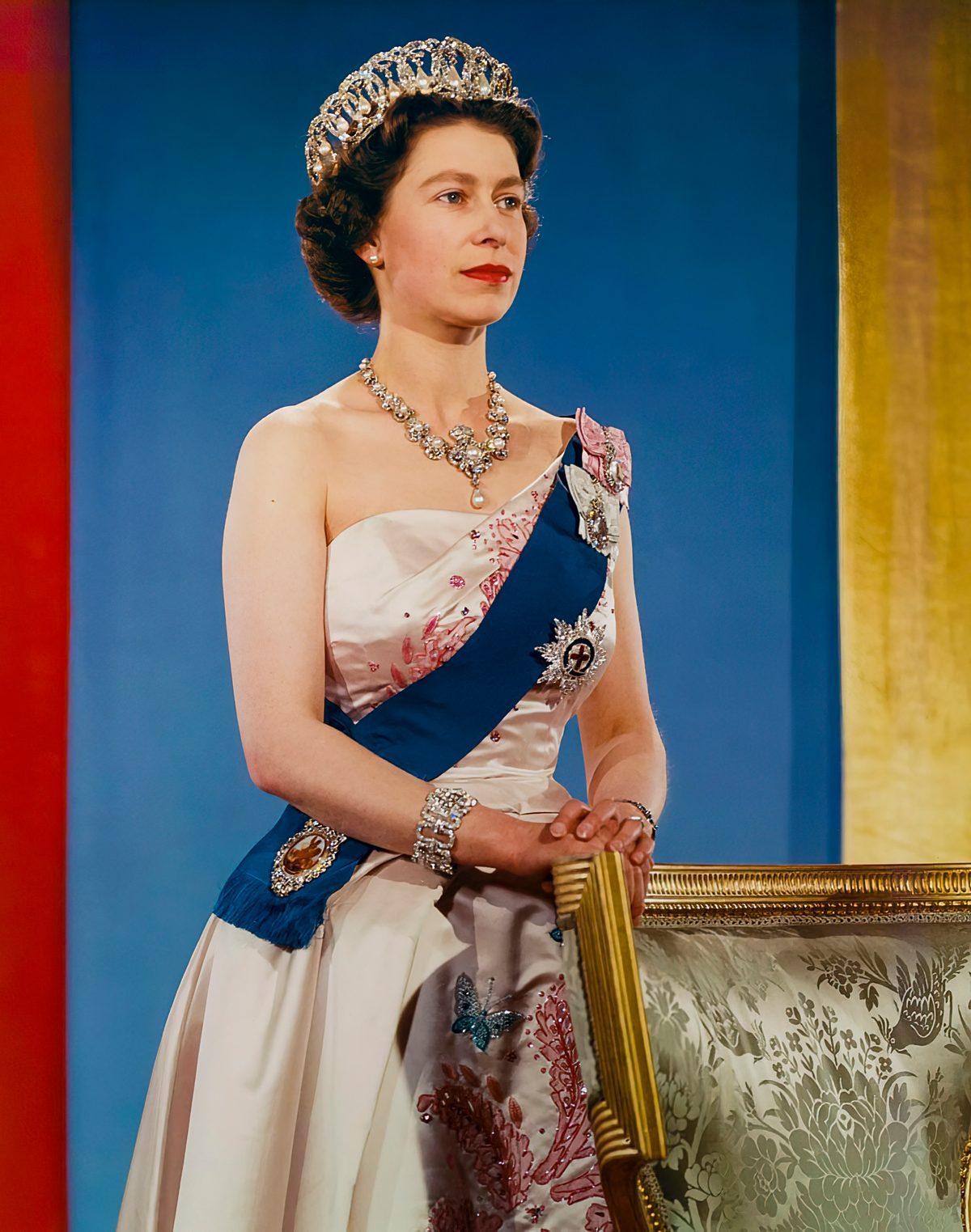
In the heart of a city plunged into darkness by nightly bombardments, the steadfast spirit of the British monarchy shone brightly. It was September 1940, and a Berlin-driven tempest known as the Blitz tore through London with relentless ferocity. Buildings crumbled, lives were shattered, and the British capital teetered on the precipice of despair. Yet, amidst the cacophony of sirens and the eerie glow of incendiary bombs, a beacon of endurance and solidarity rose from the ashes — King George VI. Ordered to evacuate, urged by Prime Minister Winston Churchill himself, the King and his steadfast consort, Queen Elizabeth, chose defiance over departure. The royal couple remained at Buckingham Palace, their decision encapsulating the enduring resilience of the British spirit.
The Unyielding Resolve of a Reluctant King
When King George VI acceded to the throne in 1936, following the abdication of his brother, Edward VIII, he did so reluctantly. Known to friends and family as Bertie, the King had never anticipated becoming sovereign. Plagued with a debilitating stutter, George VI faced not just internal battles but the formidable task of restoring confidence in the monarchy. Yet, as war loomed on the horizon and then broke upon Britain’s shores, his resolve only strengthened. In the midst of the Luftwaffe’s unprecedented aerial assault on London, King George VI's steadfastness became a rallying cry for a beleaguered nation.
The King's decision to remain in London, despite intense pressure to leave, was laden with symbolism. Buckingham Palace had already been struck nine times by enemy bombs during the Blitz. So dire was the situation that logical counsel strongly suggested an evacuation to safer havens in the English countryside or even Canada. Yet, George VI, standing firm in his commitment to Britain, understood there could be no greater detachment from the nation’s struggle than abandoning it in its darkest hour. To him, safety was secondary to solidarity, and so he chose to share the tribulations of his subjects.
The Queen's Courage in the Face of Fear
While the decision to stay might have carried the weight of a crown, the resolve and courage of Queen Elizabeth were equally inspiring. Described by Churchill as "the most splendid and courageous of all women," Elizabeth stood unwaveringly by her husband, embodying the spirit and tenacity of the monarchy. Her influence was palpable, and her presence within London amidst the ruin provided a bastion of hope and morale for the British populace.
Queen Elizabeth, known affectionately as the Queen Mother in later years, embraced her role with aplomb even as the sound of bombs echoed through the halls of Buckingham Palace. Her visits to bombed areas of London, often right after an attack, underscored her solidarity with the people and added an indelible touch of humanity to the royal family's public appearances. As artillery rained down, her smile and determination were steadfast, offering comfort and a vivid reminder that courage was indeed shared, from the royalty to the common people.
Life at the Palace Under Siege
Residing at Buckingham Palace during those harrowing months was far from regal grandeur. The realities of war had transformed the palace — from a symbol of imperial might to a testament of resilience. The once elaborate royal chambers were stripped to essentials. Windows were blasted out, leaving the interiors exposed to the harshness of war. Nights were relentless, with the King and Queen retiring to their sparsely furnished basement for safety, carrying on as though their world had not been turned upside down by conflict.
The palace staff, often unsung heroes, continued their duties with unwavering dedication, prepared for both the mundane and the medicinal. Courtiers were adept nuclear family protectors and emergency workers, doling out hot meals and bandaging wounds with equal competence. Each morning, they gathered amidst the rubble, ready to broadcast news of safety to those beyond the palace gates.
The Lasting Legacy of Loyalty
The King's choice to stay in London during the Blitz resounded far beyond the borders of Britain; it was a masterstroke of symbolism that reinforced the intrinsic connection between the monarchy and its subjects. It illustrated a royal duty that went beyond mere ceremonial service, exhibiting a profound commitment to share the suffering and celebrate the triumphs alongside the people.
For many Londoners, the presence of their King and Queen amidst the chaos of war was a reassurance that, despite the devastation all around, they were not alone in their suffering. This act of empathy and steadfastness reinforced the monarchy’s role as the bedrock of national identity, and it would resound throughout the decades, long after the war subsided. The legacy of George VI and Queen Elizabeth's refusal to evacuate fuels the present admiration for a crown that stands not above, but with its people.
Their fearless acts during those dreadful days were not just royal obligations but symbols of affinity in a time when unity was not a luxury but a necessity. It serves today as a reminder that, in the tapestry of history, the monarchy remains intricately interwoven with the trials, tribulations, and triumphs of the people it represents.
📷 Photo: Hayden Soloviev. CC BY 4.0 via Wikimedia Commons.