There were few things about Queen Elizabeth II’s reign that appeared routine. Her life, punctuated by royal duties and ceremonial grandeur, was a tapestry woven with tradition and duty. Yet, amidst the many official engagements, there were moments woven with simplicity and intimacy. One such vignette unfolded one serene morning in the 1960s at Balmoral, where Prince Philip, Duke of Edinburgh, set aside royal protocol to offer his beloved wife something unique—a glimpse into an ordinary life they seldom saw. This impromptu drive was a heartfelt reminder of the companionable partnership that defined their marriage, evoking the warmth, adoration, and gentle rebellion that characterized their remarkable union.
The Royal Retreat at Balmoral
Scotland’s Balmoral Castle, nestled amidst the lush landscapes of Aberdeenshire, has long been a cherished retreat for the British royal family. For over 160 years, it has stood as an emblem of tranquility and retreat from the public eye. Balmoral, with its turrets and towers, cloaked in the misty embrace of the Scottish Highlands, is not just a royal residence; it is a living, breathing sanctuary where the Queen could, for just a moment, be free from the unending carousel of her royal obligations.
During the summer months, Balmoral becomes the epicenter of the royal family’s seasonal gatherings. It is where formal engagements make way for simple pleasures like picnics, hikes, and barbecues, and where the Queen and Prince Philip could immerse themselves in a semblance of anonymity. The heather-covered hillsides and sprawling grounds offered them a playground of privacy unmatched by any palace—a place where joy rode on the wings of simplicity.
Breaking Royal Protocol
The British monarchy is a symbol of tradition, wrapped in layers of protocol that dictate even the most commonplace activities. Traveling by car for Queen Elizabeth II was more than slipping into the backseat—it involved conventions, security, and an orchestrated driver. But Prince Philip, known for his candid nature and disdain for unnecessary formality, had a refreshing habit of setting protocol aside to cultivate moments of normalcy within their constrained world.
On that particular morning, without fuss or fanfare, Prince Philip took hold of the car keys. The Queen’s personal chauffeur, accustomed to chauffeuring the sovereign with precision, was surprised yet unfazed. The Duke simply motioned him to step away. Prince Philip navigated the well-trodden paths of their Scottish estate behind the wheel, as Queen Elizabeth II gracefully settled into the passenger seat beside him. Silent, but content, they basked in the quiet escape, cocooned within the vehicle, their roles momentarily unshackled from the weight of duty.
A Glimpse of Ordinary
The drive itself might have appeared as a simple gesture, but perhaps therein lay its poignance. Here was the monarch and her consort enjoying a slice of unadorned, unscheduled life—a reminder of what lay at the heart of their relationship. To outsiders, they were queen and consort, but to each other, they were companions, partners, and kindred spirits bound by a shared history and deep affection.
Prince Philip’s love for automobiles was well known; he relished the thrill of being behind the wheel. For the Queen, accustomed to paths mapped by the expectations of statecraft, this ride was a breath of the everyday—intimate, devoid of grandeur, and delightfully unscripted. Shielded by the silver birch trees and the soaring Scots pines, Balmoral provided a stage where, for a fleeting half-hour, they could revel in the domesticity denied to them in their public lives.
The Legacy of Love and Partnership
The moment Prince Philip took the wheel was emblematic of the quiet gestures that defined their marriage. Their union was celebrated not with constant public declarations but through shared looks, laughter, and the seamless support that buttressed their public personas. Together, they faced the changing tides of time, a royal couple who stood by each other as steadfast pillars through decades of service and transformation.
Such private escapades as the one at Balmoral bespoke the enduring harmony of their shared life—a love story retold through countless acts of devotion and defiant integrity. Prince Philip, often remembered for his spirited wit and unfiltered commentary, understood the profound essence of the woman who reigned beside him. He sought to share with her the simple joys beyond courtly bounds, offering her moments where she could just be Elizabeth, sister, mother, and, that morning, simply a passenger in the car beside her husband.
The Continuing Impact
To this day, that serene morning drive remains a testament to the power of love to transcend the trappings of power and status. In the era of modern monarchy, the echoes of such moments ripple outward, illustrating the human core that graced their sovereign roles. For a world often consumed by their public personas, insights into such intimate moments serve as a reminder that beneath the crown lay a couple who loved, laughed, and sought solace in each other’s company.
As the contemporary royal family navigates new terrains, initiatives like Prince William’s championing of mental health or the Duchess of Cambridge’s focus on childhood development show a blend of duty and genuine personal advocacy. They reflect the lessons learned from their forebears about balancing the crown with compassion, tenacity, and personal fulfillment. The morning Prince Philip drove the Queen through Balmoral encapsulates this gentle legacy inherent in royalty—a tapestry woven from both worldly responsibility and cherished personal moments.
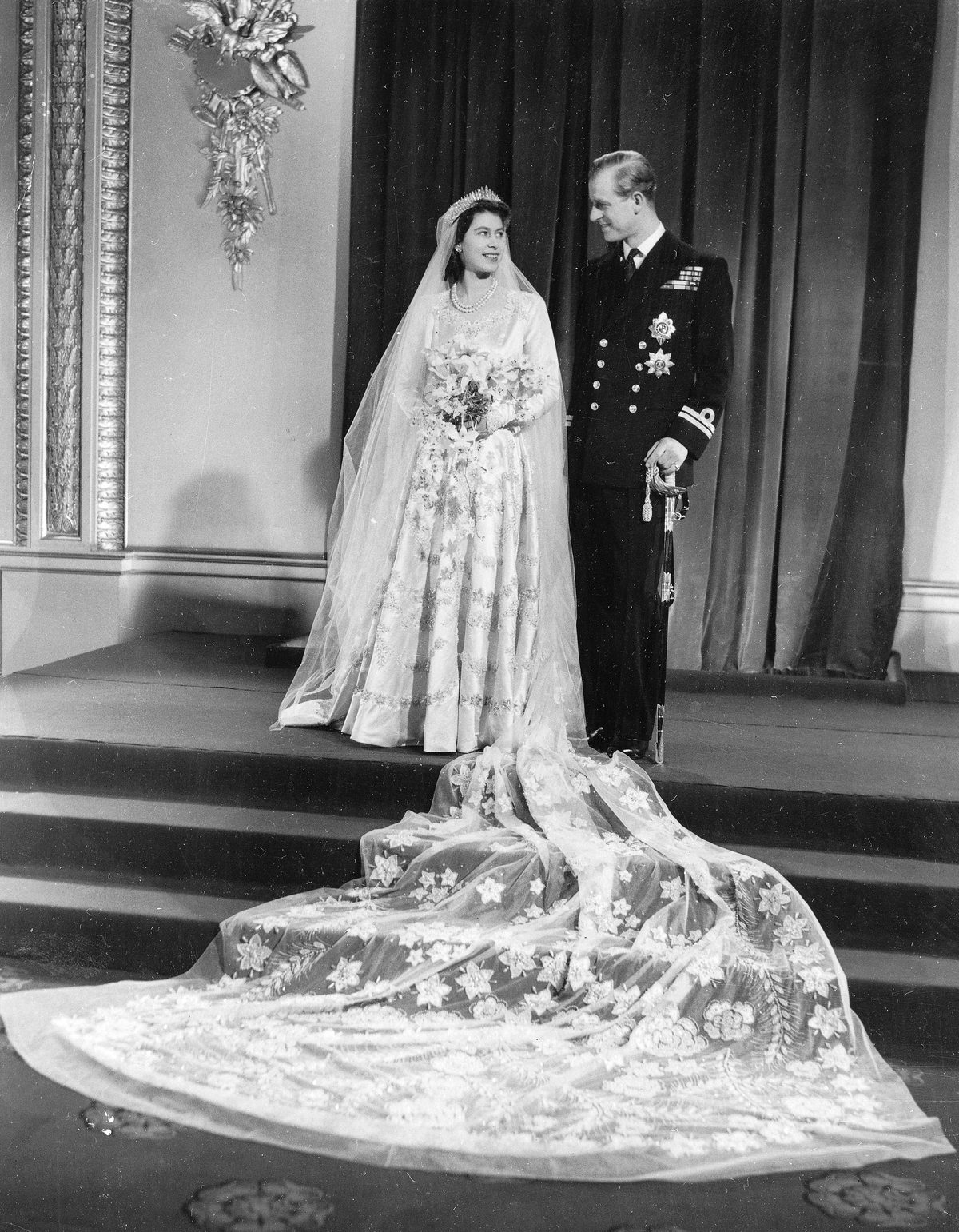
📷 Photo: Associated Press. Public domain via Wikimedia Commons.