Every August at Balmoral, while the world watched a queen, her staff watched something else entirely. She tied on an apron, pulled out a mixing bowl, and baked. No fuss. No audience. Just flour on the hands of the most powerful woman in Britain — and a plate of scones left warm on the kitchen counter.
The Unexpected Tradition at Balmoral
Amidst the sprawling landscapes of Balmoral, with its ancient stones and whispering winds, the British monarchy shed a few of its formalities every summer. For those fortunate enough to labor in the queen's private sanctuary, this meant witnessing a most unanticipated ritual. Queen Elizabeth II, often ensconced within the grand tapestries of state duties and official engagements, would immerse herself in an altogether different pursuit: baking scones for her staff.
While the world tuned into the ceremonial grandeur projected from the gates of Buckingham Palace or Windsor Castle, the atmosphere at Balmoral took on a more intimate tone. Here, Her Majesty traded the weighty crown for the simplicity of an apron, capturing not only the hearts but also the stomachs of her devoted staff. In these quiet acts, we glimpse the humanity that defined Queen Elizabeth II as more than a sovereign figurehead — but as a gracious leader who valued those around her.
A Queen in the Kitchen
The kitchens of Balmoral during the 1970s and 1980s bore witness to an extraordinary scene. While other members of the court might have been occupied with their own preparations and regal responsibilities, Queen Elizabeth II would silently appear in the palace kitchens — no heralds to announce her presence, no entourage trailing behind. The hustle and bustle of preparing meals came to a gentle pause as the queen stepped in, donned an apron, and began to bake.
The queen’s recipe for scones remained unrecorded in official annals, known only to those privileged to taste them fresh from the oven. It was said that she sourced the finest flour, the creamiest butter, and the richest dairy from Balmoral’s own storied grounds. Her deft hands molded and rolled, transforming simple ingredients into warm, comforting delights. The presence of the queen in the kitchen served as an unspoken reminder of the solidarity and shared humanity beneath the layered hierarchy of the royal household.
A remarkable practice that underscores the humility of Elizabeth II was her insistence on cleaning her own mixing bowl. To the staff’s gentle protests, she would simply smile and carry on, living the values of hard work and responsibility she held dear. The housekeeper would later recount this detail with affection, recalling the image of a queen who, in these moments, belonged to her staff as much as the throne belonged to her.
The Legacy of Balmoral Scones
As someone who spent much of her life in the public gaze, Queen Elizabeth II cherished the relative privacy offered by Balmoral. The scones she baked not only served as a delicious treat but embodied the essence of her reign — one characterized by warmth, constancy, and a personal touch. For her staff, these simple moments in the kitchen were a poignant reflection of her genuine care and appreciation for those who served her.
The personal gesture extended beyond the act of baking. It was about sharing time, albeit indirect, with her staff and acknowledging their contributions in a manner more personal than any formal commendation. Balmoral scones became symbolic of the queen’s broader philosophy: leadership founded on service and humility.
A Reflection of Character
The engagement of Queen Elizabeth II in such humble tasks as baking for her staff resonates with broader reflections on the royal family’s place in society. A regal yet relatable figure, the queen exemplified the oft-repeated insight that the essence of monarchy lies in its personal connection to the people. Her actions at Balmoral demonstrated a profound understanding of this principle, endearing her further not only to her staff but to a nation that followed her every move.
This story of scone baking at Balmoral is but one segment of a vast tableau depicting her life and reign. It showcases how acts of kindness often speak louder than decrees, reinforcing the monarchy’s place not merely as a relic of the past, but as a living, breathing institution capable of adapting and relating to modern sensibilities.
The Enduring Home Touch
In a world tethered by tradition yet ever-evolving, Queen Elizabeth II’s scone-baking warmth at Balmoral stands as a cherished memory. It’s a story retell-worthy not because of its grandiosity but due to its gentleness and humanity. As we contemplate the current monarchy, which continues to evolve, these personal anecdotes remain essential reminders of the values that have long shaped the British Royal Family.
Her scones, though likely no longer emerging from the ovens of Balmoral, continue to serve as a sustainable symbol of service, dedication, and interpersonal regard. As we celebrate the monarchy past and present through these narratives, we draw parallels that guide our expectations for the royal household—one steeped in tradition yet forever able to nurture personal connections that warm the heart and inspire the spirit.
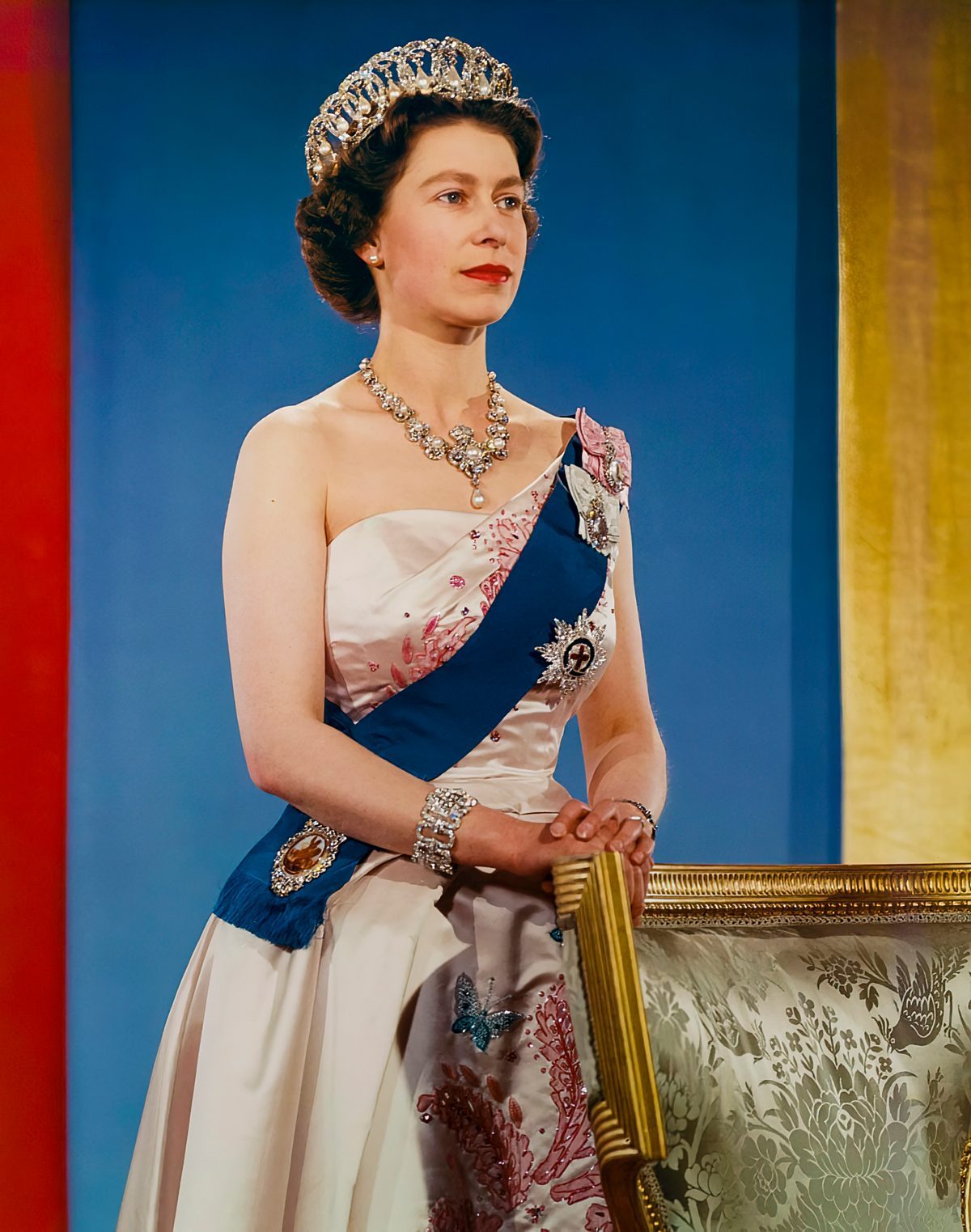
📷 Photo: Donald McKague. Public domain via Wikimedia Commons.