In the tranquil solemnity of that fateful October morning in 1966, the world seemed to hold its breath as news of the tragic Aberfan disaster spread. A catastrophic avalanche of coal waste had engulfed the Pantglas Junior School in Wales, claiming the lives of 116 children and 28 adults. As nations reeled with grief and heartache, the eyes of the public turned to Queen Elizabeth II. Her response, a touching testament to her role as a comforting presence in times of need, would include a gesture both unexpected and deeply moving — a personal letter, painstakingly written in ink by her own hand, sent to a young boy who had survived the calamity but lost his entire class of friends.
The Royal Response to Aberfan
The Aberfan disaster was a sobering event that resonated far beyond the borders of Wales, transporting its sorrow to the whole of the United Kingdom and beyond. The Queen, known for her stoic demeanor, understood the nation's need for both leadership and empathy. Her initial delay in visiting Aberfan was attributed to consultations with her advisors on how best to serve her people without distracting from rescue efforts.
In the weeks following the tragedy, the Queen and the royal household were keen to make amends and demonstrate genuine concern and solidarity with the Welsh community. The sovereign's eventual visit to Aberfan was heartfelt and poignant, where she met with bereaved parents, comforted families, and lay wreaths in memory of the lost. Yet, amidst this larger public response was a more intimate act — one that showcased not just the duties of the Crown, but the tender heart beneath the tiara.
Unprecedented Personal Outreach
Details of the Queen's actions in the aftermath reveal a more personal dimension than typically expected from royal protocol. In her private quarters at Buckingham Palace, far from public glances, she took on an unprecedented task. Witnesses from the royal household recall Her Majesty’s decision to extend commiserations by writing letters of condolence — personally, painstakingly, and entirely by hand. This extraordinary act of individual outreach was a break from traditional practices where secretarial staff would often draft such correspondences.
Among these letters, one found its way to a young boy left scarred by the calamity. The boy, whose identity was fiercely protected, had miraculously survived the landslide but was left grappling with the stark void left by the loss of every companion in his class. The Queen, aware of the depth of his individual grief, penned a letter that reached out across the chasm of loss, embodying both compassion and the shared experience of national mourning.
A Lifelong Treasured Keepsake
The boy’s family often spoke of the Queen's letter with reverence, passing down its tale like a cherished heirloom. This carefully folded piece of paper became a token of solace amidst a sea of sorrow, carried always, even beneath his pillow as he slept. The weight of royal paper, signed with the elegant curlicues of Elizabeth R., brought him comfort — a tangible reminder that he was not forgotten by his Queen.
His dedication to preserving the letter speaks to the profound influence of a monarch’s personal touch. Her attempt to bridge the divide between sovereign and subject was not just a diplomatic gesture but a heartfelt endeavor to reach a young heart trapped in grief. While many found solace in community and familial support, he found a unique kinship in the words of a compassionate Queen.
The Human Side of the Monarchy
Episodes such as these reveal the monarchy's capacity to touch lives intimately despite the vastness of their role and responsibilities. The Queen’s letter-writing campaign symbolizes a deeply personal commitment to her people, shedding light on her willingness to transcend the loftiness of her position in order to connect on an individual level. Her actions resonated with countless others as letters continued to pour out of the palace, each a carefully crafted beacon of solace.
This side of the monarchy showcases its traditional roots in community and service, embodying a compassionate presence during moments that call for unity and empathy. Queen Elizabeth II’s decision to personally engage with her subjects in such a direct manner speaks volumes of her character, further cementing her legacy as a beloved figure whose reign was characterized by more than just governance but by genuine humanity.
Legacy of Empathy and Connection
Many years have passed since the tragedy in Aberfan, yet the echoes of Queen Elizabeth II’s thoughtful gestures continue to resonate. In today’s world, where communication is often mediated by technology and impersonal exchanges, the story of her handwritten letters reminds us of the enduring power of personal connection and empathy.
The monarchy continues to evolve with time, yet its core values of duty, service, and kindness remain steadfast. The Queen’s actions in the aftermath of Aberfan serve as a timeless reminder of her commitment to her people — a connective thread tying past to present, demonstrating that no matter how high the crown, a heart dedicated to its subjects will always find ways to reach them.
As we look back on this poignant episode in history, we are encouraged to connect with one another with sincerity, to forge bonds that, like a Queen's letter beneath a boy's pillow, can offer solace in the darkest times. The warmth of the monarchy lives on in these acts of genuine care, showcasing not only royalty's duty to lead but the greater power it holds — the power to heal, to connect, and to comfort.
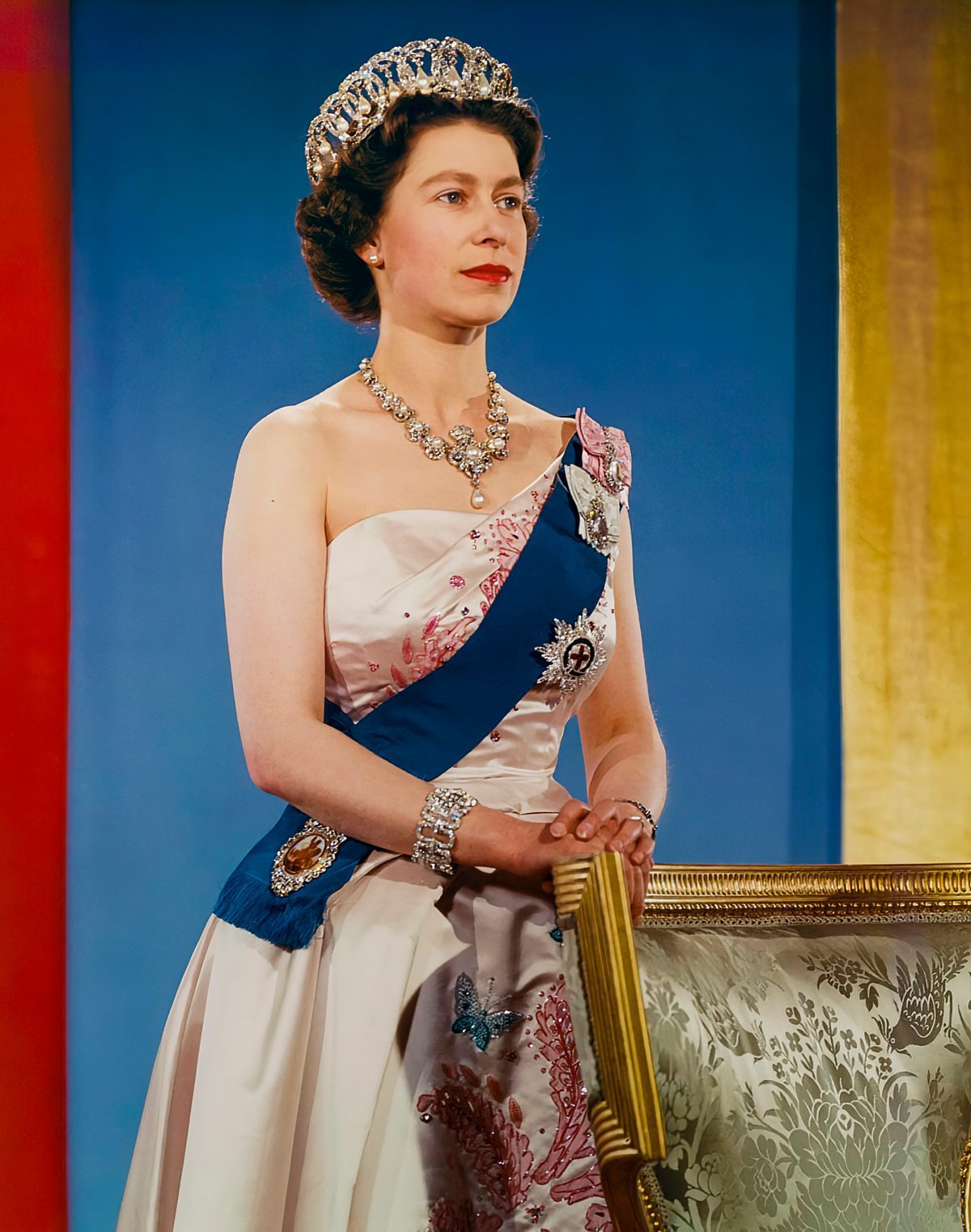
📷 Photo: Donald McKague. Public domain via Wikimedia Commons.