She was 73 years old, the widow of a king, and every protocol demanded she be driven to safety the moment the sirens sounded. But when Queen Mary's car turned away from a bombed London street in 1940, she issued one quiet order that stopped everyone cold. She was getting out.
The Morning of the Blitz
As dawn broke over London in the tumultuous year of 1940, its people were waking to a reality none had ever imagined. The Blitz was reshaping the city, marking each night with destruction and despair. Among the stalwart structures of the city was Queen Mary, the indomitable matriarch of the British monarchy. Though she had passed the responsibilities of the crown to the next generation, her dedication to her nation and its people was as unyielding as ever.
It was a raw morning when a bomb fell on a London street, signaling another chapter of the relentless air raids that had become all too familiar. In these trying times, Londoners rallied together, each playing their part to bolster spirits and rebuild shattered lives. As sirens wailed their ominous warning, most would seek refuge. However, on this day, Queen Mary chose otherwise.
A Royal Gesture
The royal protocol was clear and unequivocal; the safety of the former consort was paramount. As her car cruised through the city, already unnerved by the warning of impending danger, it was with deliberate instruction that the driver decided to turn away from the perilous scene. Yet, rather unexpectedly, Queen Mary interrupted this royal safe-passage.
"Stop the car," she reportedly instructed, far removed from the rigid constraints often associated with royal commands. Determined and resolute, Queen Mary stepped out, her silhouette a regal testament to the dawning twilight of resilience she radiated. There was no hesitation as she walked toward the rubble, an aging figure wrapped in a regal cloak of obligation and innate compassion.
This was more than a mere public gesture; it was an embodiment of solidarity. In those daunting moments, the Queen Mother became a comforting presence among the chaos, offering more than words could ever articulate. People who had lost their homes and were huddling amidst the debris were suddenly reminded they had not been left alone. Their monarch was with them, in spirit and physical form, embodying the mantra of courage under fire.
The Spirit of a Queen
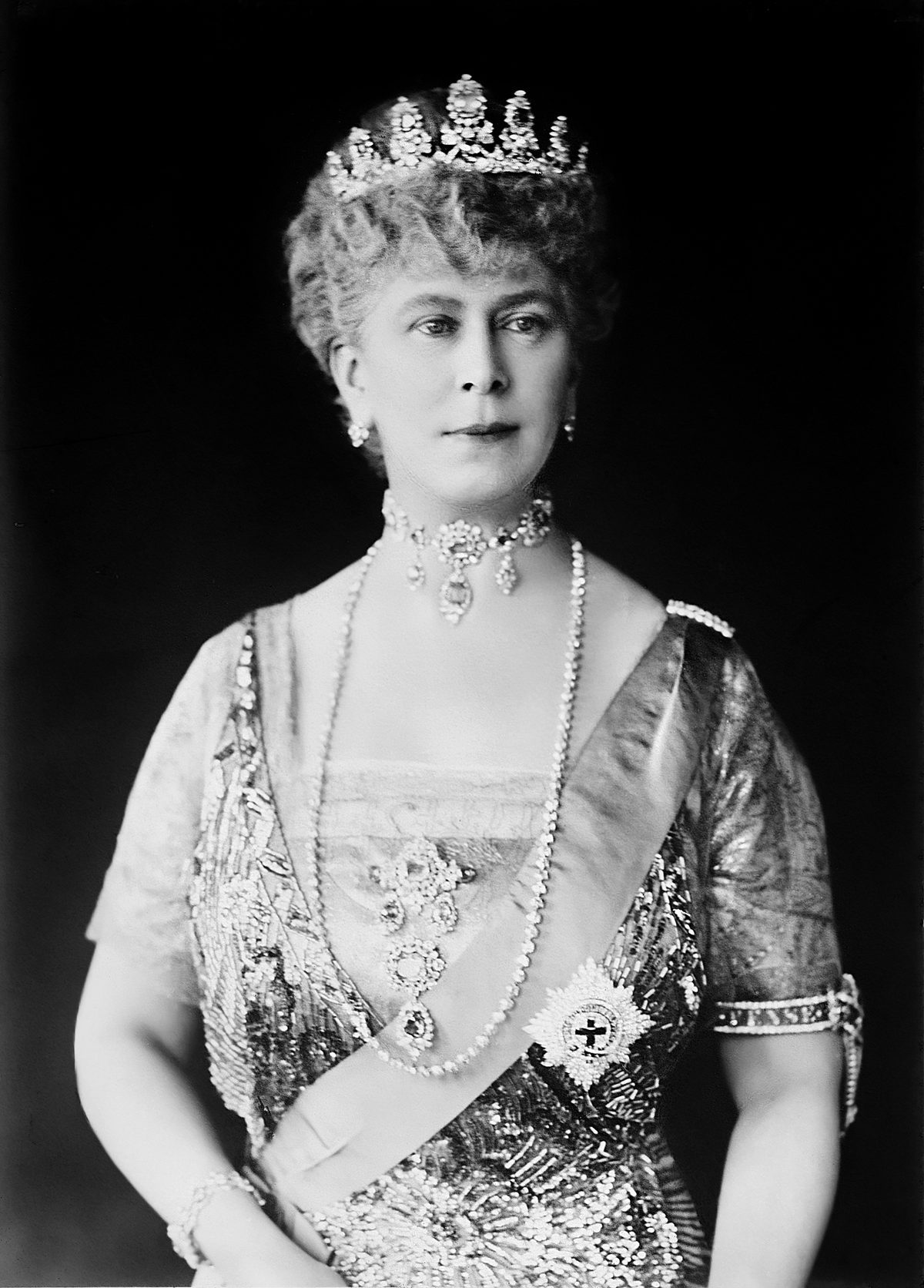
Queen Mary’s actions that day were an extension of the dedication that defined her life. Born Victoria Mary Augusta Louise Olga Pauline Claudine Agnes, Princess of Teck, in the year 1867, she had been the embodiment of duty long before she ascended to the English throne alongside her husband, King George V. Her commitment to the welfare of her nation was as etched in her character as any family crest.
At court, Queen Mary was revered for her keen intelligence, austere presence, and unyielding work ethic. Even as a widow, her responsibilities continued with royal patronages and public appearances. Yet, what stood out most profoundly was her unwavering belief in the British people. To her, the monarchy was a symbol not merely of power, but of unified national identity and resilience.
The morning she walked through that London street in 1940 was a testimony to this bond. Her visit was not planned, her steps not rehearsed, but that is precisely what made them resonate across the cobblestones and through the hearts of those present. She was not fulfilling a duty; she was living a truth.
Legacy in the Shadow of War
Queen Mary's impromptu visit to the site of the bombing did not immediately find its way into the headlines, perhaps overshadowed by the war's turmoil and propaganda. Nevertheless, it reinforced a notion that resonated throughout Britain — that the monarchy stood not above them but amongst them.
This act became an indelible part of her legacy, a legacy woven with threads of sympathy and strength. Here was a queen who stood amidst ruins, offering not just words but her presence as reassurance to a beleaguered capital. Her actions served as a rallying cry, a reminder that resilience wasn't a solitary undertaking but a collective endeavor.
Reflections of a Monarchical Melodrama
As history unfolded through the subsequent years and decades, the story of Queen Mary's walk down that bomb-laden street remained. A symbol of how leadership sometimes requires the silent power of presence, and how the human heart can extend its warmth even in the cold shadows of a world at war.
Today’s royals continue to face their own challenges in a vastly changing world, but they remain bound by the same duty Queen Mary knew so well. With the world watching their every move, they strive to reflect the resilience and unity that defined Queen Mary's impromptu gesture that fateful morning.
Her story is a poignant reminder that during times of hardship, the fabric of the monarchy is not just made of riches and tradition but also of profound humanity. Her steps on that London street told a simple truth: the people and their monarchs are tied by shared trials and triumphs, an enduring testament from the past that continues to inspire the present.
📷 Photo: Bain News Service; edited by Fir0002. Public domain via Wikimedia Commons.