On a cold December morning in 1861, Windsor Castle was enveloped in a profound silence. The bustling corridors of the grand palace had stilled, a testament to the loss that swept through its rooms. Within its massive stone walls, Queen Victoria, the vibrant heart of the British monarchy, would soon face a journey of unimaginable grief. Her beloved Prince Albert, her rock, her confidante, had passed away at just 42 years old. What followed was a poignant vigil that would leave a lasting impression on all who witnessed the Queen's devotion—a love that refused to let go, even when faced with the permanence of death.
A Moment Frozen in Time
As the details of that fateful night unfolded, one scene remained etched in the hearts of those at Windsor: Victoria's unwavering grasp of Albert's hand. Time seemed to have stopped as she sat by his bedside, her gentle grip on his cooling fingers betraying the depths of her despair. The room, ever hushed by the specter of death, bore silent witness to a love story turned tragedy, a tale of devotion that had been rudely interrupted but would not diminish.
Albert had been more than just Victoria's consort; he was her confidante, her intellectual equal, and her steady partner. Their bond had weathered the often stormy seas of royal duty, bound by mutual respect and shared aspirations for both their family and the country. Victoria's refusal to leave Albert's side as the morning sun crept over Windsor underscored a connection that transcended the confines of their titles.
The Royal Court in Mourning
The days following Prince Albert's death plunged the royal court into deep mourning, both a public display of grief and a personal trial for each member. Within the solemnity of the castle's stone walls, life continued, but the gaiety and spiritedness that once animated the court had dimmed to whispers. Victoria's sorrow became palpable in the air, influencing etiquette and daily rituals. The loss was not only felt by Victoria but was mirrored through the courtiers and staff, each recognizing the gravity of losing a man who had been both beloved and visionary.
Albert had not just been a prince; he had been an engine of change. His progressive ideas influenced an industrial nation and redefined the monarchy's role, melding public service with familial dedication. This multifaceted legacy left an indelible impact on both Victoria and the British people, who understood that an era had abruptly ended even as a new dawn, heavy with uncertainty, broke outside the palace walls.
Victoria's Mourning: A Veil Over a Nation
Victoria's way of grieving was deeply personal yet profoundly public, as the nation shared in her sorrow. Her commitment to mourning would shape the next forty years of her reign, as she became a figurehead draped in black, epitomizing a post-Albert world. The Queen's withdrawal from public view, misunderstood by some, was her method of self-preservation as she sought solace in memories of their life together and vowed to honor his legacy above all else.
"He is not dead. He is just away."
With these words in her heart, Victoria turned her focus to their children and Albert's plans, ensuring that his vision for a modern and cohesive Britain did not die along with him. She dedicated herself to preserving his work, often making pilgrimages to places they had adored and continuing initiatives he had championed, acting ever in his stead and in his memory.
Legacy and Remembrance
The years that followed were painted in hues of remembrance as Victoria sought to immortalize Albert's presence, from the commissioning of grand monuments to the perpetuation of his ideals. The prince's legacy became interwoven with the identity of the monarchy, reinforcing values of family, duty, and progress that would resonate with future generations. Victoria's steadfastness in her grief transformed her public image from that of a young monarch to a wise matriarch, respected and admired by her subjects.
The enduring image of Victoria, mourning yet resolute, became a cornerstone of the monarchy's enduring story. It spoke to the heart of both sovereign and subject—a reminder that even the most regal among us are bound by threads of love and loss. The dignity with which she carried her heartache spoke volumes of her character and of the monarchy's lasting human element during times of unprecedented change.
The Timeless Teachings of a Vigil
Reflecting on that December morning, we see more than a queen in mourning; we witness the essence of devotion that transcends the ages. Victoria's silent vigil by Albert's side reveals a timeless truth about the human experience: love endures, even in the shadow of loss. Her dedication to his memory, her fidelity to duty, and her continued influence on the monarchy are monarchic traits that reverberate through history.
Today, we remember these moments not only as points on the timeline of royal history but as intimate revelations that the royals, much like us, navigate the timeless complexities of life, loss, and love. Queen Victoria's legacy stands as both a historical beacon and an ever-present reminder that duty and devotion hold profound power—and that a sovereign's heart beats as sincerely as any other in the kingdom.
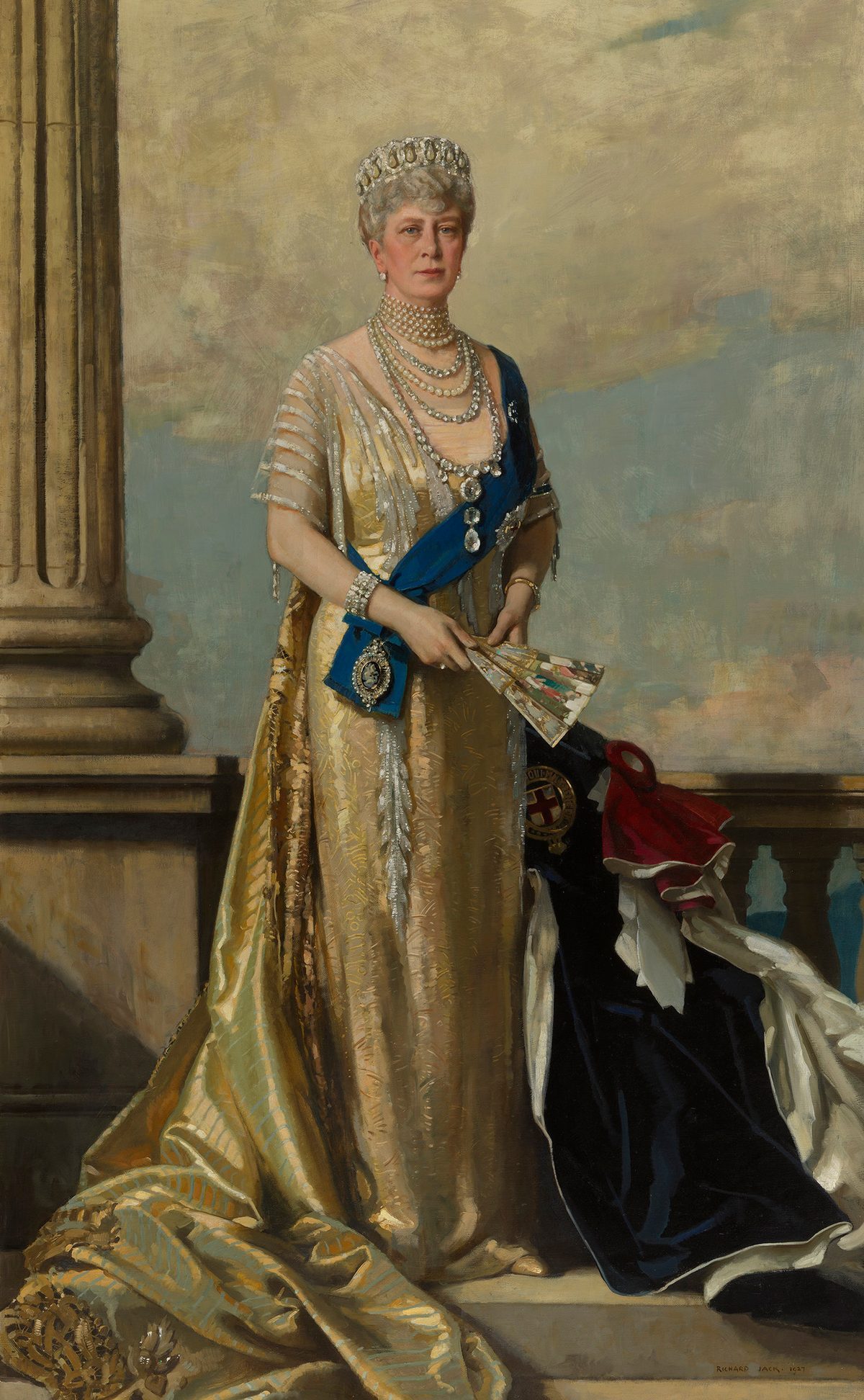
📷 Photo: Richard Jack. Public domain via Wikimedia Commons.