Amidst the turbulence of World War II, when the solemn echoes of sirens and the shadows of uncertainty stretched over Britain, the countryside became a sanctuary for many, offering solace from the constant threat of bombardment in the cities. It was here, at the stately Badminton House, that an unexpected scene played out each morning: a queen, steadfast in her pearls, navigating the garden paths as if they were grand palace corridors. This queen was none other than Queen Mary, mother of King George VI, known for her unwavering dedication to royal duty and decorum, who had been relocated from London for her safety. However, even amidst war and worry, Queen Mary’s noble aura remained unyielding.
From Ostrich Feathers to Overalls: A Life of Royal Responsibility
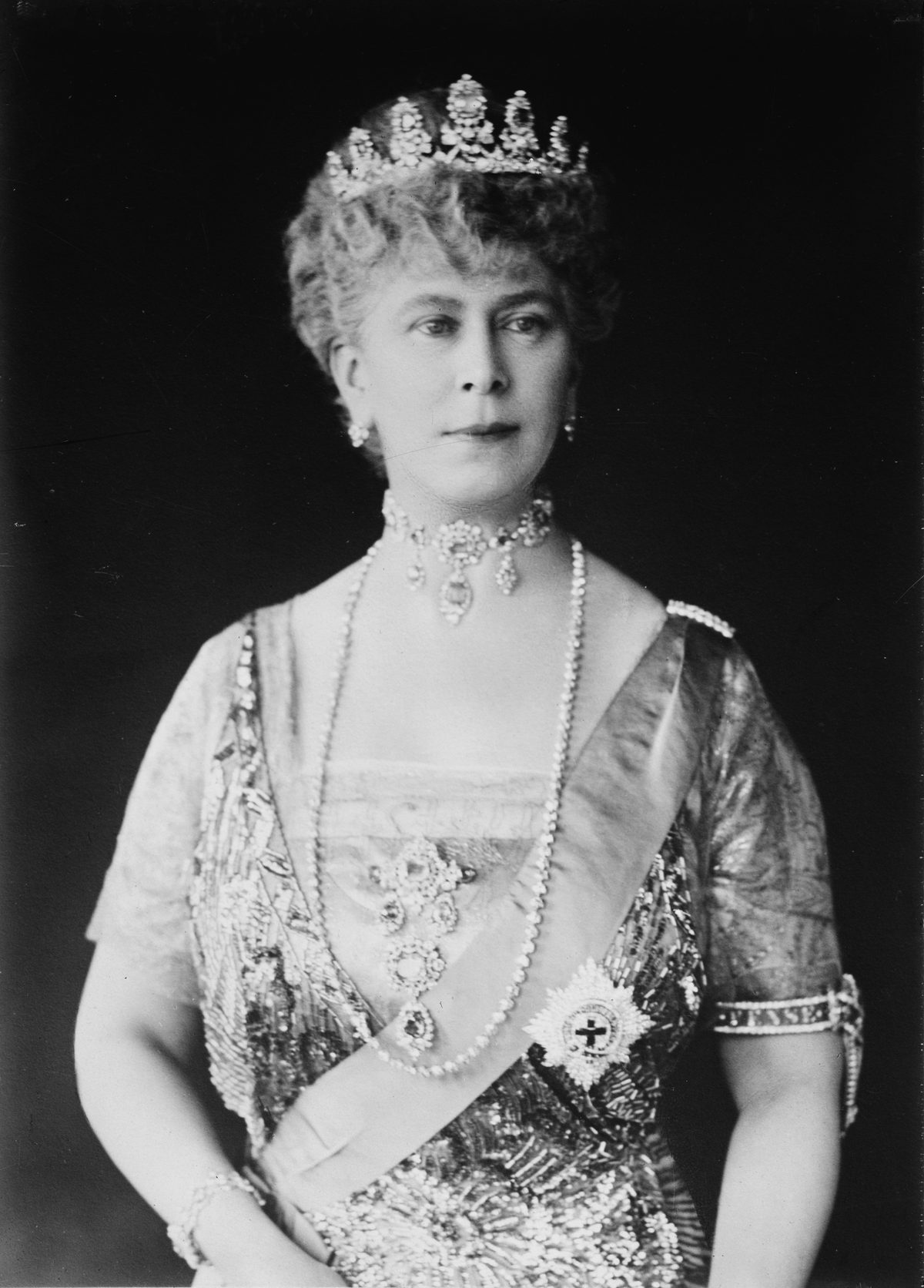
Queen Mary, born Princess Mary of Teck, had long been seen as the epitome of the royal standard. From her early days as a member of the British royal family, she carried herself with a regal grace that seemed almost innate. As Queen Consort to King George V, her life had been filled with state ceremonies, lavish banquets, and the pressures of sustaining a monarchy through tumultuous times.
Her reliability and unshakeable composure made her a pillar of strength for the royal family, especially during the aftermath of World War I. By the time World War II descended upon Britain, Queen Mary was in her seventies. Yet, despite her age and the ordeal of another war, her steadfast commitment to her role never wavered. Her relocation to Badminton House was seen as a wartime precaution, but Queen Mary was determined to stay active and involved, showing a spirited resilience that endeared her to all who met her.
Badminton House: A Wartime Refuge
Badminton House, the ancestral home of the Duke and Duchess of Beaufort, played host to Queen Mary for much of World War II. In this pastoral setting, which contrasted sharply with the urbanity of her usual London residences, she found new routines that kept the shadows of worry at bay. As King George VI and the young Princess Elizabeth tirelessly rallied the nation, Queen Mary was determined to contribute in her own way, even from a distance.
Every morning, Queen Mary donned her coat and picked up her garden tools—a hoe or a rake, whatever the task of the day required. Her attire for these outings was often practical, suitable for working the grounds, yet she retained her own unique touch of royal elegance with her ever-present pearls. These weren't just an accessory; they were a symbol of constancy, an echo of the past she fiercely preserved.
The Tiara Morning: A Tale of Tenacity
Perhaps one of the most enduring stories of Queen Mary's time at Badminton House is the morning she chose to wear her tiara while tending to vegetables. Legend has it that the previous evening had been marked by a formal dinner where Queen Mary, accustomed to the trappings of state, graced attendees with her elegant presence.
The next morning, as dawn broke over the rolling lawns, she joined the staff and family in the kitchen gardens—tiara still nestled in her perfectly arranged hair. It was a sight both humorous and heartwarming, a queen unyielding in her customs even amid rows of cabbages. The image of royalty stooping with a tiara to pull carrots or gather radishes painted a picture of tenacity amidst tradition.
"A queen must put her standards before all," she once remarked, according to historical accounts. This philosophy not only justified her choice to keep wearing jewelry but also illuminated her understanding of how symbols of stability could reassure a nation embroiled in chaos.
The Legacy of Queen Mary: Echoes in Modern Monarchy
Queen Mary's decision to uphold her high standards at Badminton House left an indelible mark not only on those who witnessed it but also on the subsequent generations of royals. Her life, a striking balance of duty and decorum, carved a path for future consorts to follow amidst the ever-changing expectations of the monarchy.
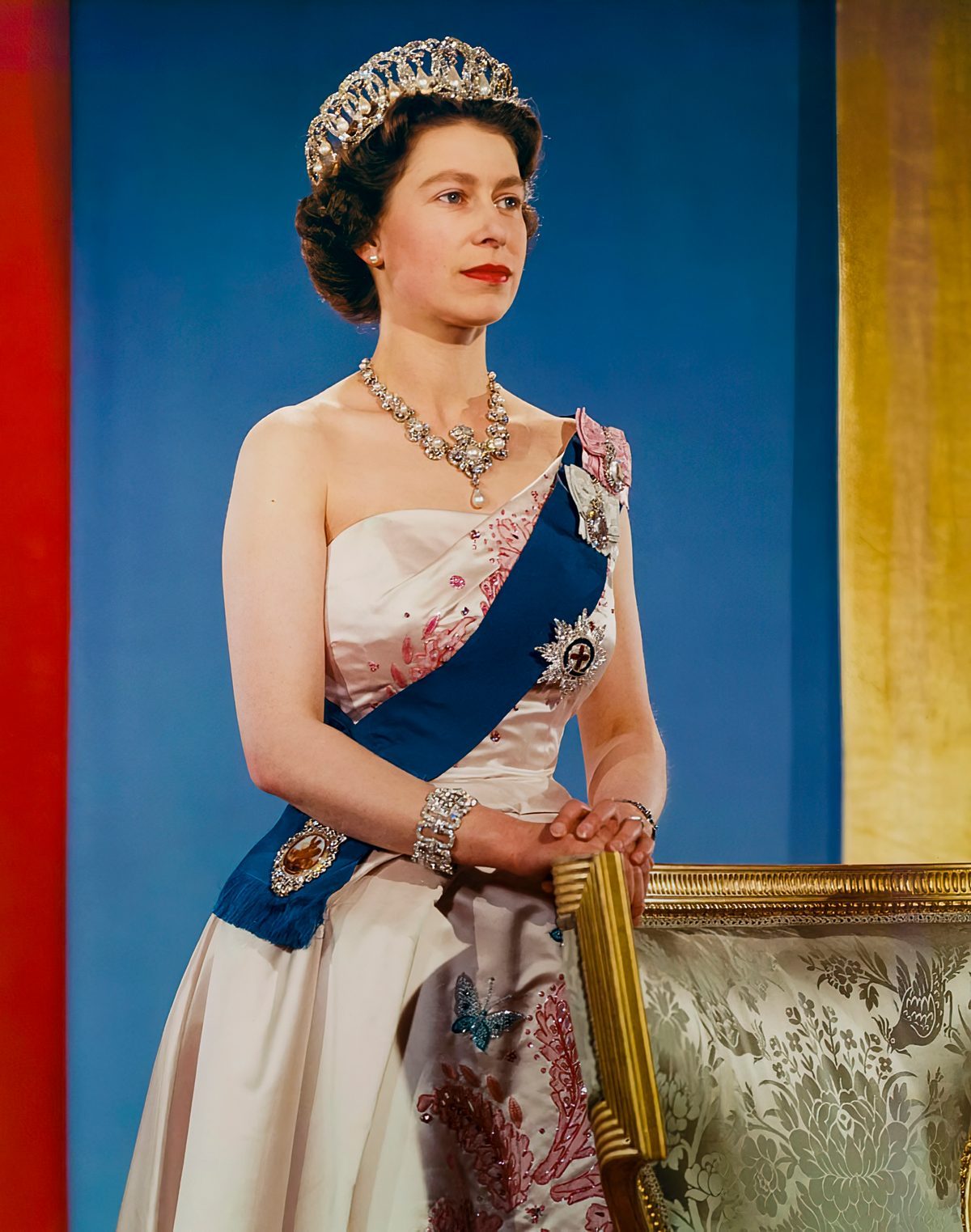
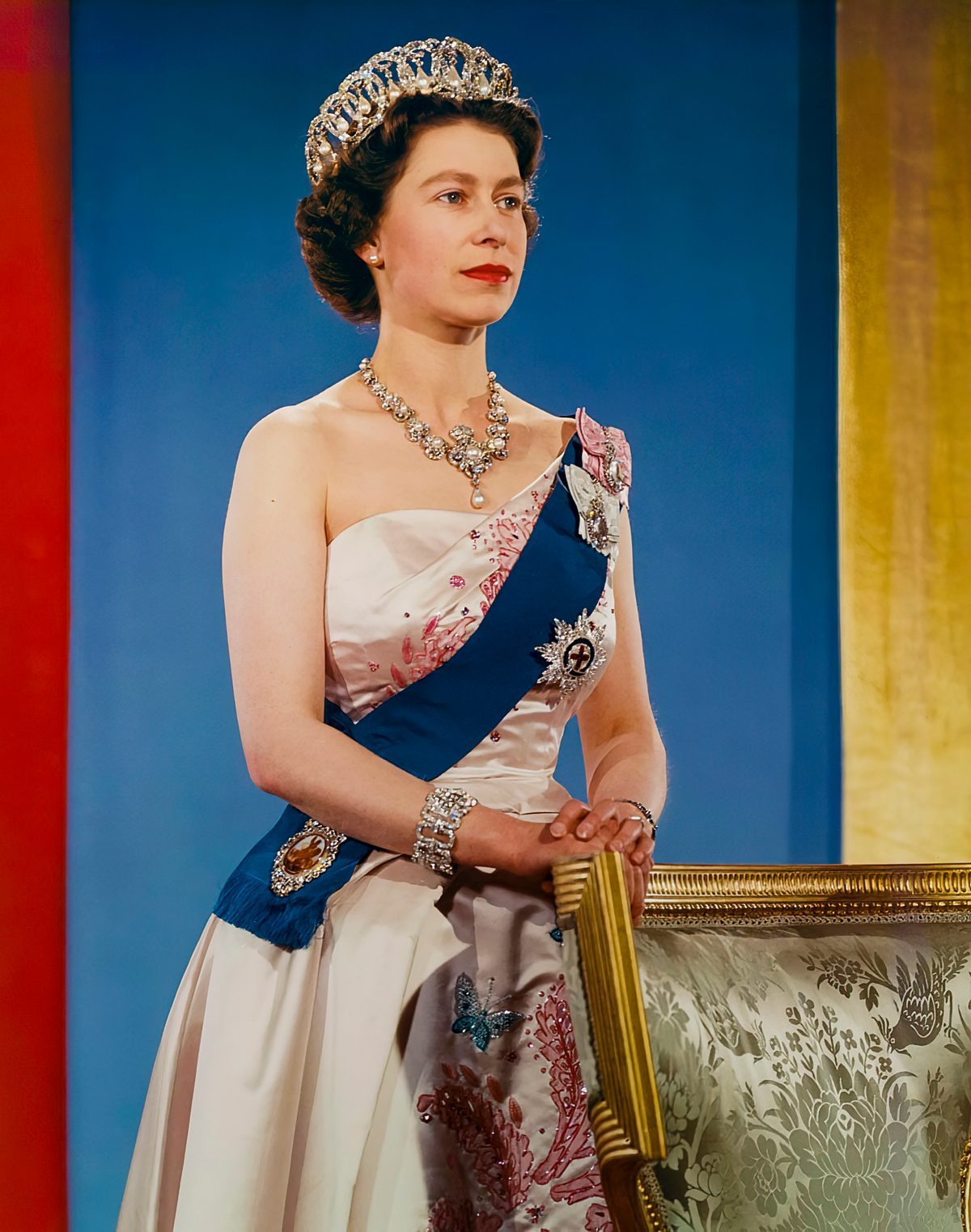
Today, her influence is seen in the poise of her granddaughter, Queen Elizabeth II, whose own dedication to service echoes the legacy of resilience passed down by Queen Mary. The image of Queen Mary in pearls among the vegetables serves as a powerful reminder: while circumstances might change, the virtues of steady leadership and unwavering dignity endure.
In an age where social norms and royal expectations continue to evolve, the story of Queen Mary offers a gentle reminder of the importance of personal standards and the impact of small, symbolic acts. It is through such stories that the monarchy remains a beacon of continuity and tradition—pillars of reassurance in an ever-shifting world.
📷 Photo: W. & D. Downey. Public domain via Wikimedia Commons.