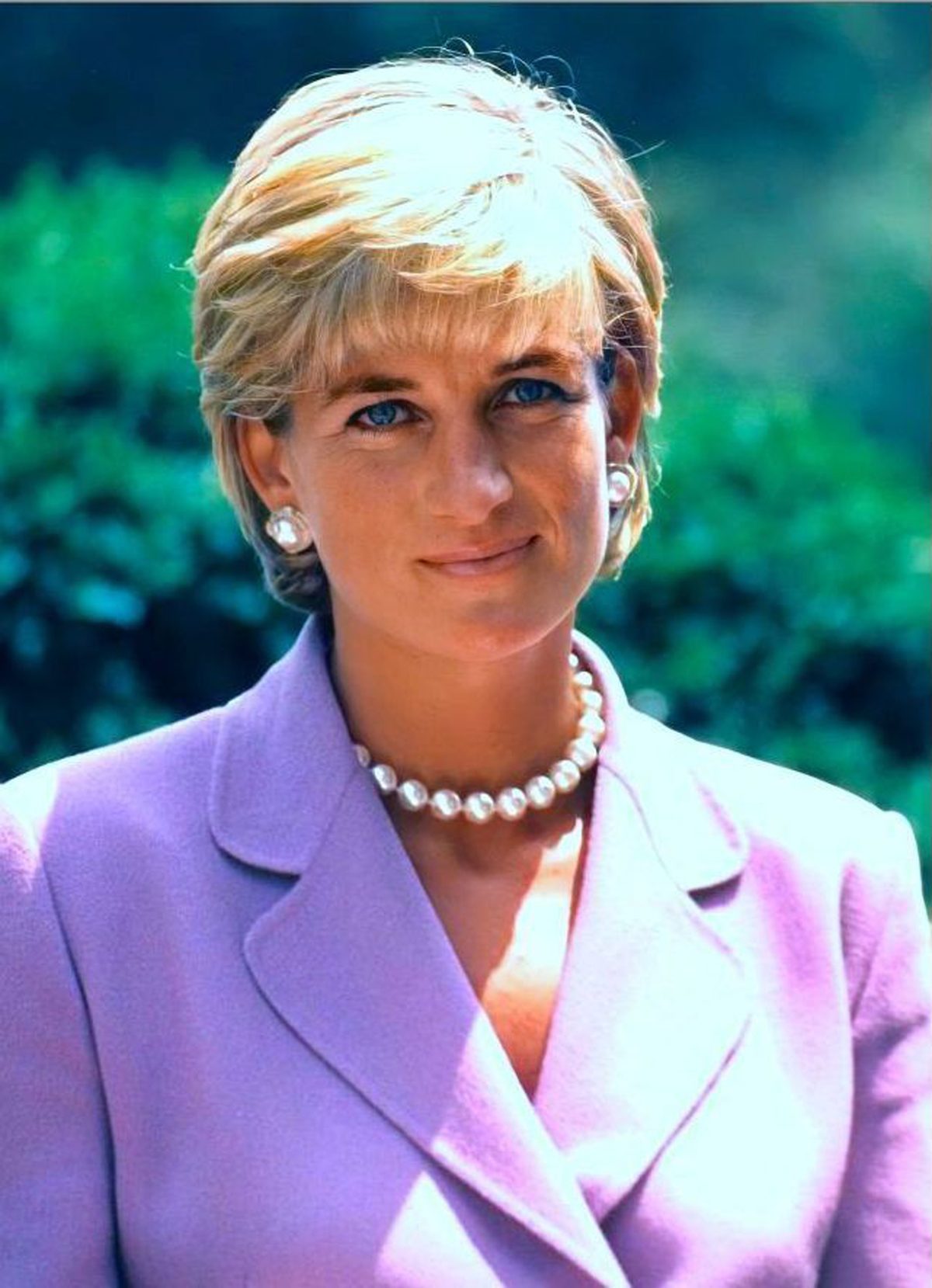
In the chilly heart of a London winter in 1993, where the hustle and bustle of the city slowed to a whisper, those seeking the warmth—and sometimes the anonymity—of charity found themselves in a sanctuary tucked away from the prying eyes of the world. That evening, patrons of a local hostel were unknowingly about to enter the embrace of an unexpected visitor. She did not arrive cloaked in the glimmer of cameras nor the echo of royal fanfare; she arrived with only the warmth of her presence and the empathy of her spirit. Princess Diana, known globally for her glamorous affairs and royal lineage, chose connection over convention. The isolated kitchen of a humble hostel became a stage for humanity's simplest exchange: a shared cup of tea and a moment of listening.
A Royal Evolution: Diana's Path to Empathy
The world watched in admiration as Lady Diana Spencer transformed into the beloved Princess of Wales. But beyond the glittering frame of tiaras and ballrooms, Diana sought something deeper—an authentic connection with people from all walks of life. Her journey through the royal court was one that transcended beyond traditional royal duties, evolving into a mission of understanding the depth of human stories, particularly those that often went unheard.
In the 1990s, as the monarchy navigated a period of changing public expectations, Diana led the way in modernizing what it meant to be a royal. Her determination to break down barriers was evident in her many charitable endeavors, from her work with AIDS patients to her fervent campaign against landmines. Not content with just writing checks or making appearances at high-profile galas, Diana's feet explored places where cameras seldom ventured, and where she could make a difference simply by being present.
Beyond Appearances: Diana's Hostile Embrace
The hostel where Diana spent her evening was typical of the era: sterile yet serviceable, alive with the transient spirit of its occupants—men who carried their lives with them in bags slung over shoulders and their stories untold. On that cold night, Diana arrived with no entourage, her presence unknown to those within. Just months before, such an appearance would have seemed improbable, and yet there she was, armed only with warmth and a gentle curiosity.
Destitute and perhaps skeptical, the men in the hostel shared the commonality of adversity. Whether by poor choices, unfortunate circumstances, or sheer bad luck, their paths had converged here. The entrance of a serene blonde woman—who may have first seemed just another volunteer—quietly altered the atmosphere. She listened without interruption, nodded without judgment, her sincere demeanor inviting real conversation. And then, with simple elegance, she introduced herself as Diana, Princess of Wales. A momentary shock sat across the table, but it quickly dissolved into something miraculous: conversation untainted by royal protocol.
Breaking Bread, Sharing Stories
This wasn't an isolated occurrence in Diana's life of charity. But it was emblematic of her greatest quality: humanity sans borders. Unlike the orchestrated visits of many public figures, Diana's time in the hostel kitchen was spontaneous, directed by genuine intent rather than PR strategies. Living stories are breathed through moments that alter perceptions—moments fueled by compassion rather than obligation.
Her participation in the evening activities extended beyond polite chatter. Over mugs of tea, the Princess asked about their lives and their dreams, allowing each man to reclaim a voice often swallowed by circumstance. True to her reputation, Diana grasped hands, offered warm smiles, and shared laughter—simple acts that poignantly conveyed respect and dignity. These fleeting connections were snapshots of her unparalleled ability to make every individual feel seen, spanning the chasm between royalty and the rest of the world.
The Footprints of Compassion
In the days following her discreet visit, the news of Diana's presence at the hostel circulated through whispers, imparting warmth to the recollections of those men within. She had not come to them with declarations of profound change, nor had she promised solutions to the complicated labyrinths they called life. Instead, she left behind an intangible gift: hope. Her unexpected empathy carved a deeper understanding of communal challenges and the individual battles faced by those navigating homelessness.
The touch of royalty that night wasn't silver or gold; it was human. Diana's interaction in that hostel was a silent revolution—a beacon highlighting the possibilities of what royals could achieve beyond the walls of palaces. Her tenure cut short far too soon, but her actions carved a legacy of compassionate service that influences the House of Windsor to this day, reflected in the endeavors of her sons in similar causes.
The legacy left by Diana in her many compassionate missions continues to ripple across time. It invites us to contemplate the real power of presence and simple humanity amid grand gestures. Royals are often viewed through the lens of tradition and privilege, yet straddling that divide with empathy is where transformation thrives. The warmth of Diana's outreach still reverberates, reminding us—both within royal spheres and across the globe—of the profound potential to enact change not only by what we give, but by how we give of ourselves.
📷 Photo: John Mathew Smith & www.celebrity-photos.com from Laurel Maryland, USA. CC BY-SA 2.0 via Wikimedia Commons.