The Night of Fire and Decision
The clock had struck midnight in the autumn of 1955, when Princess Margaret, the younger sister of Queen Elizabeth II, found herself enveloped in the dim solitude of Kensington Palace. Aged only 25, and inexplicably intertwined with the complexities of her royal station, she carried the weight of a heart-wrenching choice on her slim shoulders. She was in love, fiercely and hopelessly, with Group Captain Peter Townsend. It was a love that had bloomed amidst the lavish halls of the royal court but was swiftly pruned by the unyielding vines of royal duty. Now, standing in a dimly-lit room filled with shadows and sentiment, Margaret decided she needed to cleanse her world of the torment and temptation lingering in those now inaccessible memories.
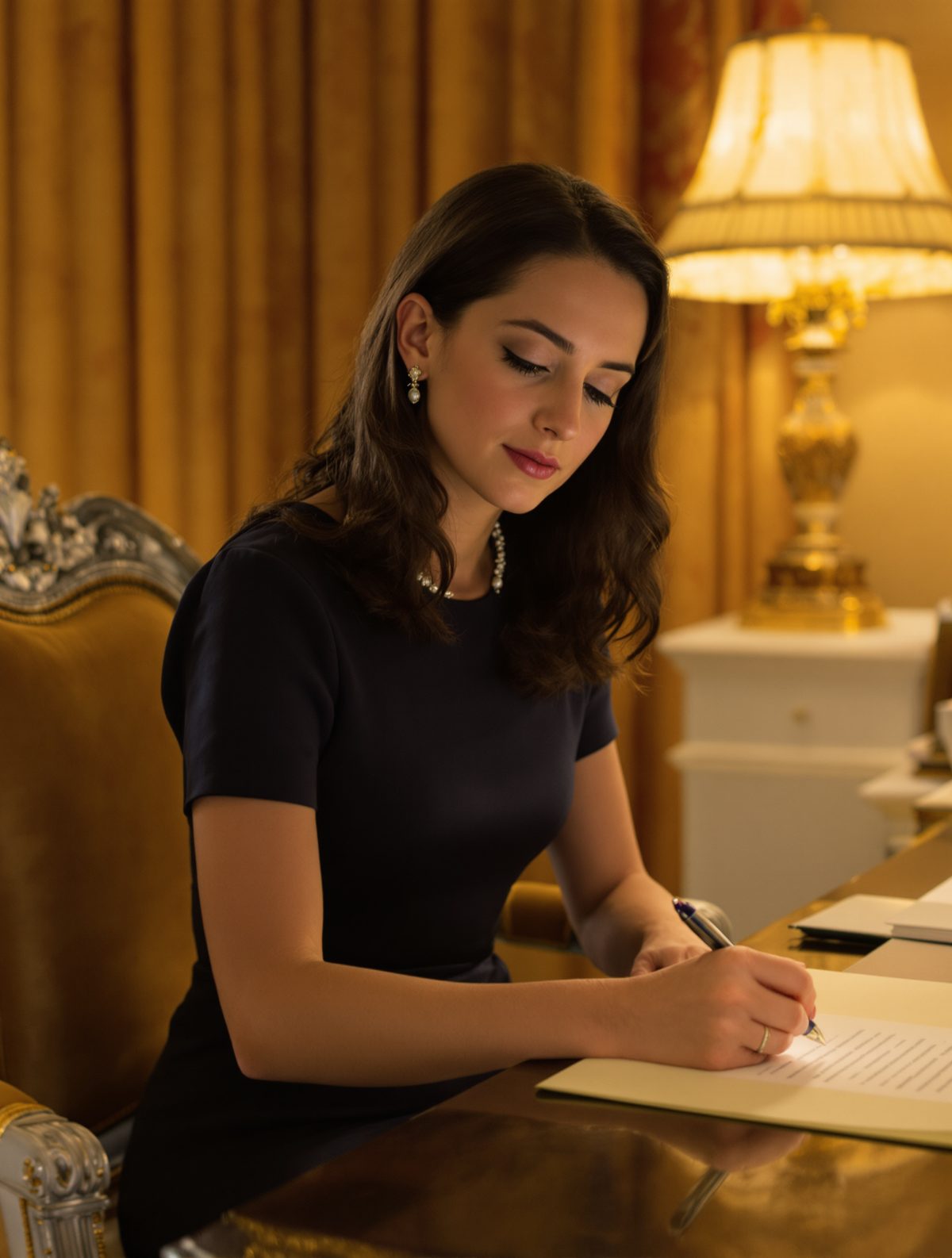
As the flames flickered in the fireplace, she drew from a chest of letters — tokens from a love she was compelled to renounce. One by one, she fed the fire with the delicate pages, watching the words of warmth and longing become nothing more than curling embers and ghostly ash. With each letter, she symbolically untethered herself from a past that might have been but could never be. This was no act of heartbreak, but rather an eloquent testament to her commitment to duty over desire. Princess Margaret never spoke of that night again. Yet the poignancy of the event resonates still, casting light on the enduring tug-of-war between personal desire and public duty.
The Love Untold: Margaret and Peter
Princess Margaret's affection for Peter Townsend was born in the backdrop of courtly elegance and the whispers of post-war Britain. Townsend, a dashing and decorated RAF officer, entered the royal household as an equerry in the service of her father, King George VI. Their mutual affection budded quietly and grew unwaveringly, blossoming into a discreet yet profound relationship.
The royal court, however, was a crucible of complex societal norms, particularly for matters of the heart. By 1955, Margaret faced mounting pressures. The fierce gaze of public scrutiny and tradition broadened the gulf between her desires and her duties. Townsend was, after all, a divorcé, an entanglement seen as a lamentable departure from royal expectations. The young princess, though deeply in love, was acutely aware of her role within the larger tapestry of the monarchy.
While modern tales might weave the narrative of forbidden romance with impetuous defiance, Margaret's decision reflects a profound understanding of the responsibilities that came with her title. To prioritize love and elopement would mean relinquishing her royal status. For Margaret, her sense of duty, deeply intertwined with the expectations of a watching world, ultimately held sway.
Kensington Palace and the Curtain of Silence
The night Princess Margaret consigned her love letters to flames, Kensington Palace stood as a silent witness. Its ornate halls, a blend of opulence and history, had been the cradle of royal intrigue and decision since its construction in the late 17th century. It was a place where private lives played out behind public facades, and emotions simmered beneath the gilded beauty.
For Margaret, Kensington was both a sanctuary and a stage. It sheltered her from the prying eyes of the public, offering privacy to grieve, reflect, and ultimately, make a choice that resonated beyond her personal sphere. Despite the intense media fascination and endless public speculation, the princess maintained a stoic silence. Her resolve to never publicly disclose her feelings or the intimate details of the relationship underscored a commitment to the dignity of her station — an admirable and rare discretion, both then and now.
The Aftermath and Reflection
The conclusion of Princess Margaret's romance with Peter Townsend evoked a significant public reaction. Letters poured into newspapers, illustrating the depth of the British public’s empathy and their fascination with Margaret’s narrative. Many sympathized with her situation, appreciating the steadfastness with which she put duty before herself.
Life for Margaret continued within the royal parade. Her decisions, made in silent ardor beneath the watchful roof of the palace, carved her place in the storied annals of British royalty. Eventually, she would marry Antony Armstrong-Jones, the future Earl of Snowdon, a union rich with its own complexities and intricacies. Yet, the faint echoes of her affair with Townsend continued to linger in royal folklore, a potent reminder of the eternal conflict between heart and heraldry.
A Legacy of Choice and Duty
Princess Margaret's story is a luminescent thread woven into the tapestry of British royal history. Her tale, emblematic of a larger tension between romance and responsibility, continues to resonate within the royal narrative of today. It evokes a timeless contemplation on the sacrifices entwined with privilege — a nuanced reflection inherent in the lives of those within the royal orbit.
The night she chose duty over love — symbolically immolating her past in a private fire — illuminates a defining moment not only for Margaret but for the royal institution she represented. Her decision, steeped in personal sacrifice and public expectation, presents a poignant picture of the humanity both hidden and revealed by those who wear the crown. As the monarchy sails forward into modernity, her story remains a testament to the enduring strength and solemnity of duty, a narrative that inspires reverence for the intricate dance of personal and public life in the royal realm.
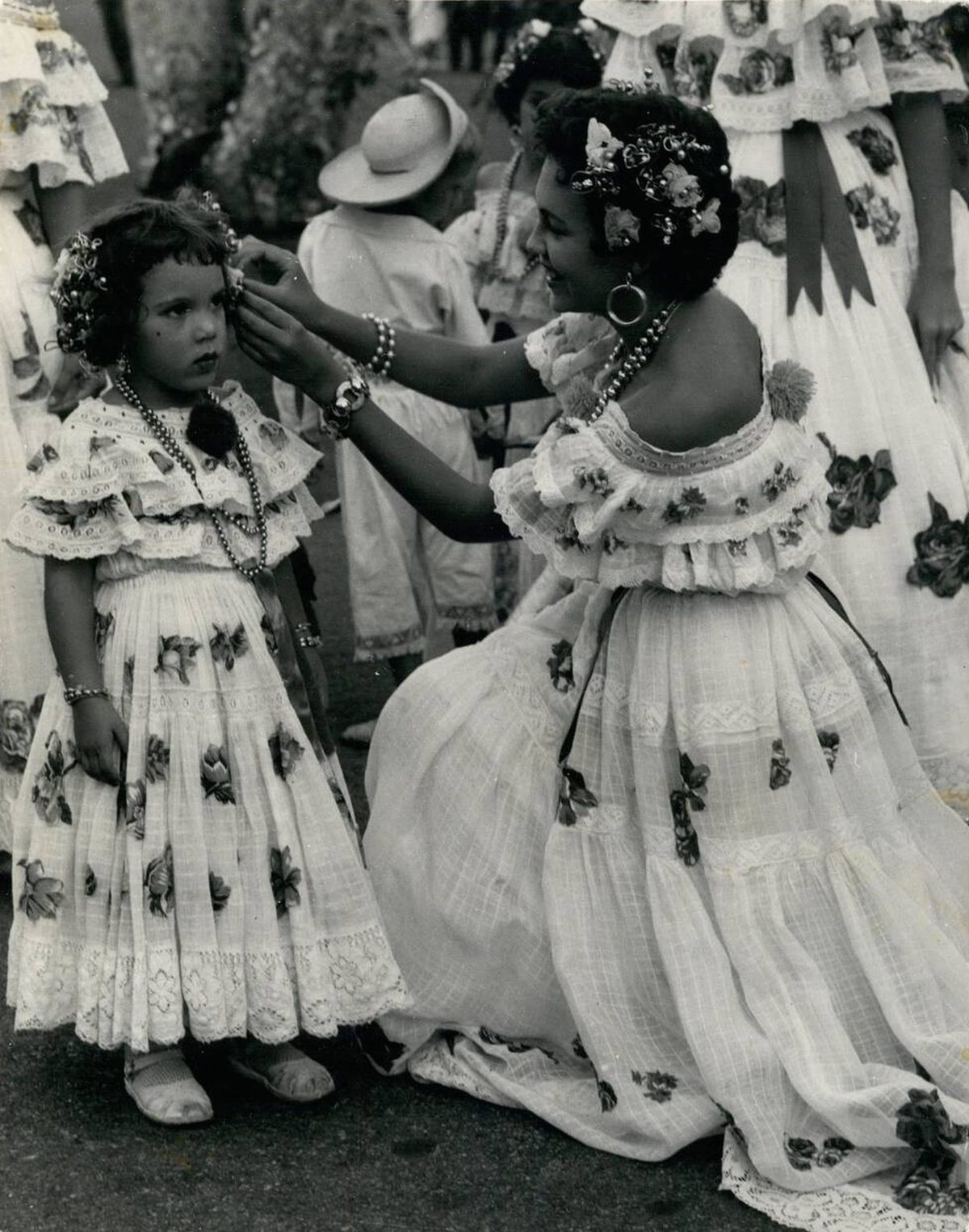
📷 Photo: Keystone_Press_Agency. Public domain via Wikimedia Commons.