In the dimly lit kitchen of a modest Welsh home, two silhouettes sat quietly together. One was a widow, her heart heavy with sorrow; the other, the Queen of the United Kingdom, equally burdened by the consolation she sought to provide. There were no press cameras, no aides bustling about, just a simple human connection amid the darkness of tragedy.
The Aftermath of Aberfan
On October 21, 1966, the eyes of the world turned toward the small village of Aberfan in South Wales. A coal spoil tip had collapsed, unleashing a torrent of slurry upon the Pantglas Junior School, claiming the lives of 116 children and 28 adults. The disaster sent shockwaves across the nation, leaving a community broken and bereft.
Queen Elizabeth II, renowned for her steadfastness in the face of duty, found herself confronted with an unimaginable horror that touched levels of grief she had seldom encountered. Despite her initial reluctance, attributed by some to an overwhelming respect for the grieving process, she decided to visit Aberfan. The Queen's visit was a chance to offer solace, not just as a sovereign, but as a compassionate presence.
Returning to the Grieving Village
While her first visit was swift, focusing on public mourning and meeting with families, the Queen felt drawn back to Aberfan in the weeks that followed. This return trip was a quieter affair, far from the gaze of the media and absent of any formal arrangements. It was a Royal endeavor uncharacteristic of its structure and planning — poignantly personal.
Her visit wasn't scripted; there were no bouquets to receive, no well-rehearsed speeches to deliver. What remained was the rawness of humanity, the anguish etched on every face, and in one particular home, an unspoken plea for companionship in solitude.
Two Souls in Silence
The encounter between Queen Elizabeth II and a widow whose identity has gracefully remained anonymous is the heart of this story. Little is recorded about their conversation or the circumstances leading to their silent companionship. What is known is that as the household began to settle into its sad evening rhythm, the widow made an unexpected request: "Please, don't go."
In that humble kitchen, interwoven with the embers of sorrow, the Queen sat without pretense or formality. No royal protocols dictated this interaction, no schedules constricted their time. It was the sheer essence of presence that counted. They shared a silence that was not empty but filled with unspoken understanding.
The Royal Court and the People
This encounter uniquely highlights Queen Elizabeth's delicate balance between duty and empathy within her reign. The royal court, often perceived through a lens of grandeur and dignified distance, was here personified in its most humane form. Elizabeth sat not as a figurehead but as a fellow mourner, devoid of the barriers usually erected by the regal world she inhabited.
Moments such as these were frequent in the Queen's life, though rarely publicized. The richness of her compassion, poured into quiet moments with citizens far from palace walls, underscores the steadfastness that made her an enduring figure of unity. Her role as a monarch transcended mere leadership; it was an enduring vow to be a beacon of continuity and comfort, even in society's darkest hours.
A Legacy of Empathy
Queen Elizabeth's visit to Aberfan and the time spent with the miner's widow are testament to her legacy — a commitment to her people that was as deep-seated as it was genuine. This story, though briefly illuminated, remains significant well beyond its emotional weight. It's a reminder of the monarchy's potential to evolve into a source of solace and the pivotal role it plays in national healing.
In a world often divided and turbulent, this depiction of the Queen underscores an enduring truth: the most profound acts of leadership are not always executed from thrones but, at times, are crafted in the quiet, shared moments of human connection. As we reflect on this poignant encounter, we see not just a royal figurehead but a dedicated guardian of national spirit and unity.
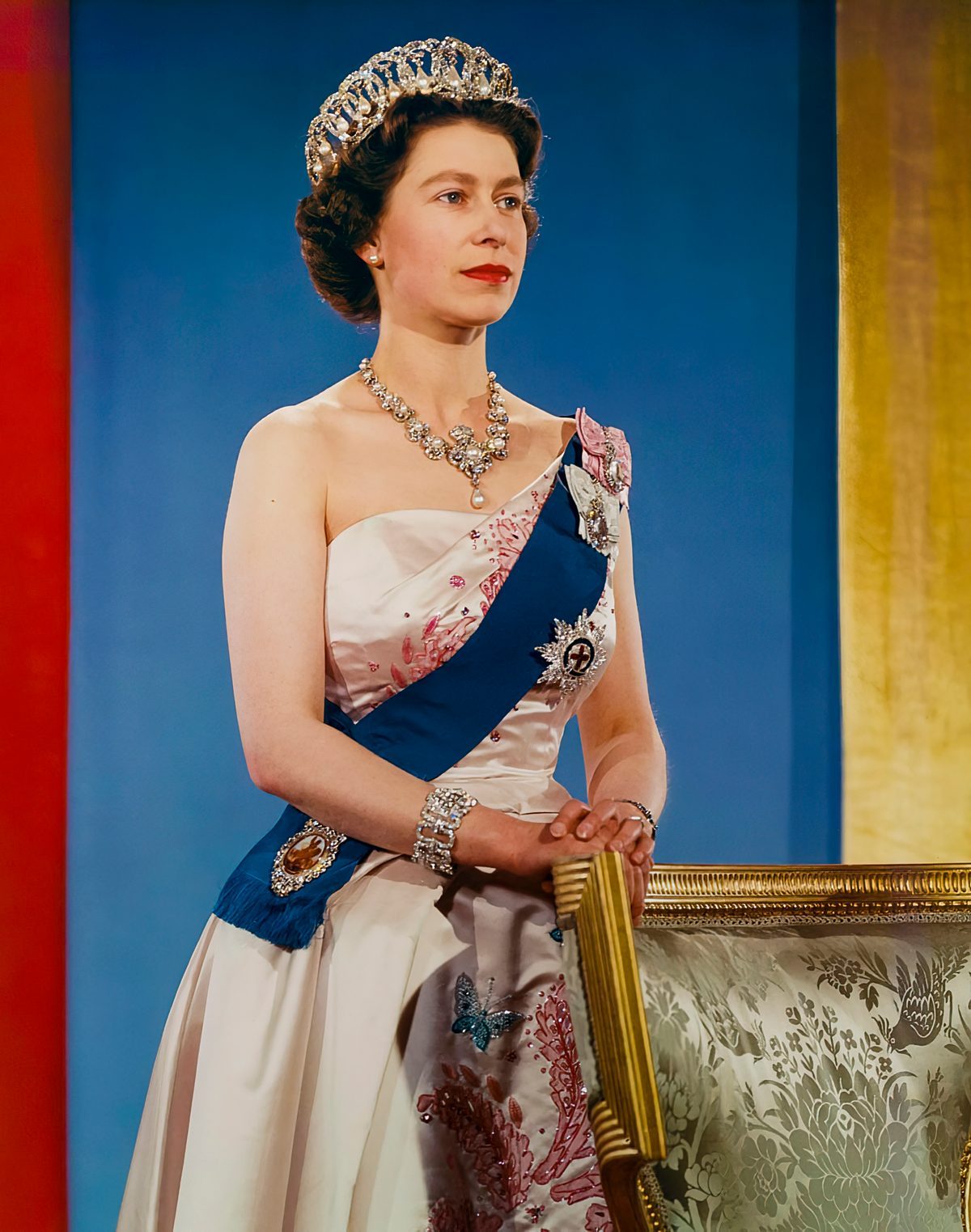
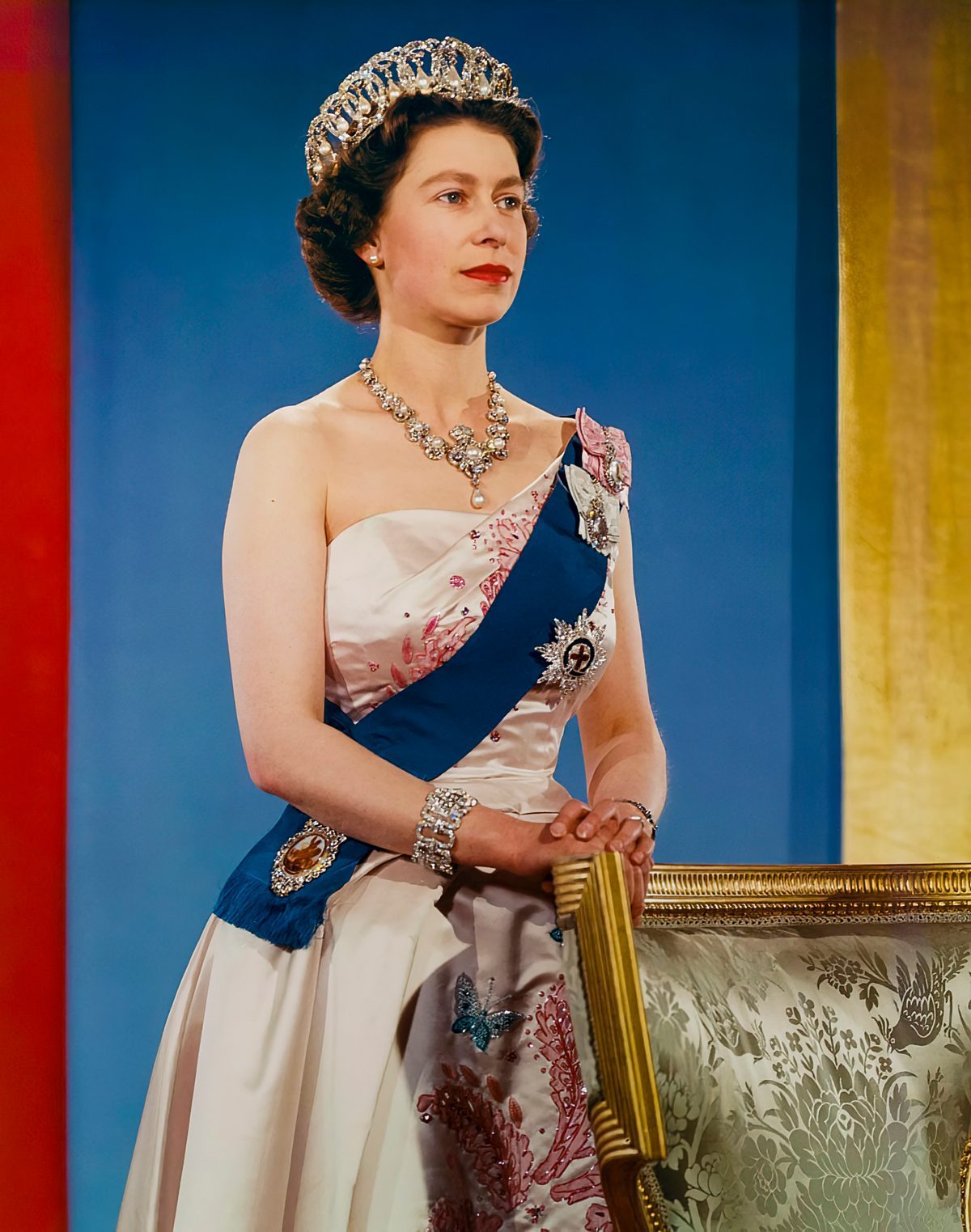
📷 Photo: Donald McKague. Public domain via Wikimedia Commons.