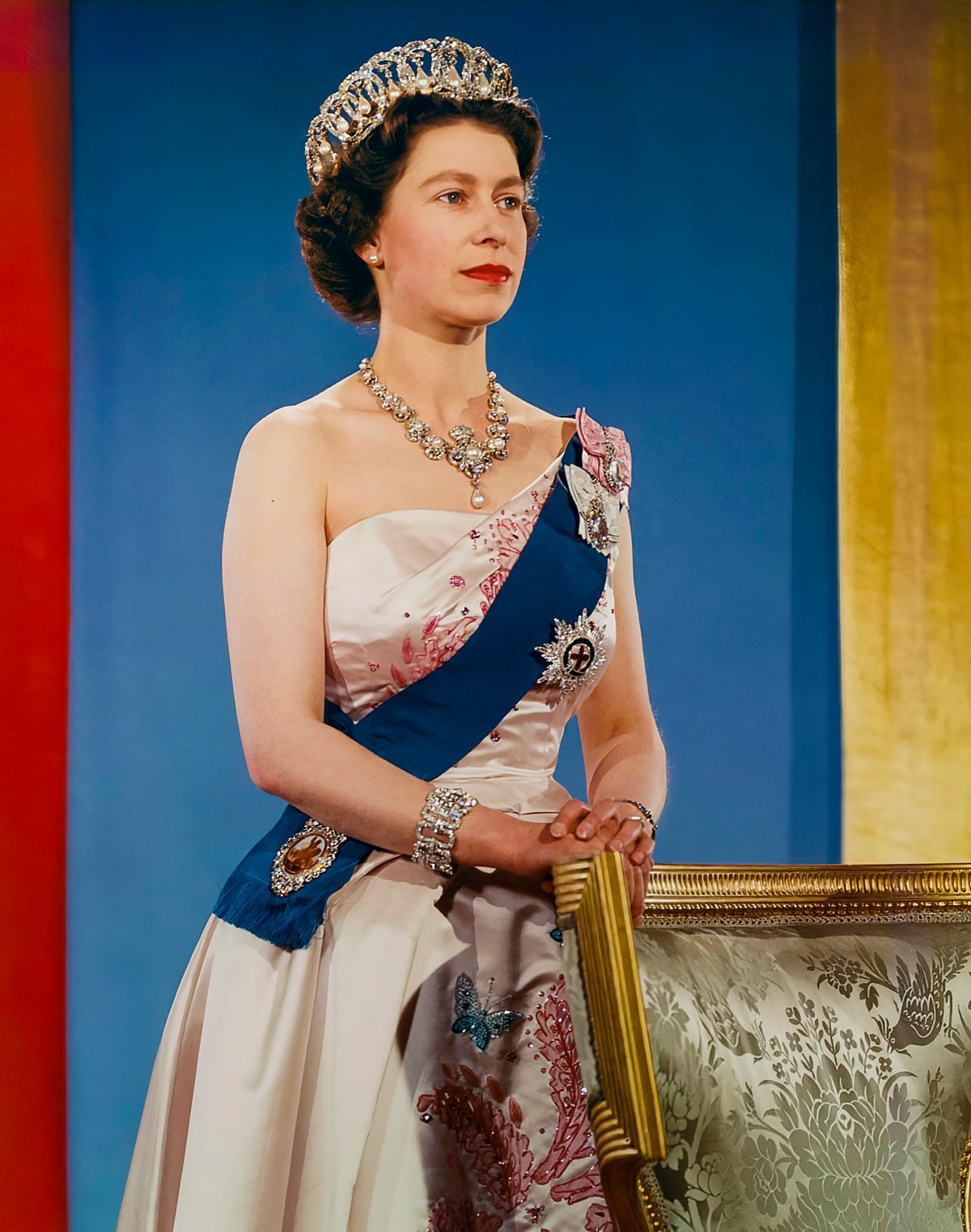
Fifteen Prime Ministers walked into Buckingham Palace for their first audience with Queen Elizabeth II. Each one carried a portfolio brimming with potential policy initiatives and meticulously prepared answers. Yet, none of them anticipated the simple, personal question she would ask upon their first meeting. It was disarming, direct, and opened a window to the person behind the politician. Queen Elizabeth II had a way of meeting people not where they were in the political sense but on a uniquely human level. The question she asked revealed one of her greatest gifts—her ability to connect with her Prime Ministers, and everyone she met, as equals and individuals.
The Royal Ritual: First Meetings at the Palace
From the very first meeting with Winston Churchill in 1952 to her final encounter with Liz Truss, Queen Elizabeth II navigated the intricate dance of political and personal relationships with deft grace. These initial meetings hold historical significance, offering a glimpse into the continuity and change over seven decades. Each Prime Minister arrived at Buckingham Palace with an understanding of the rigorous expectations that accompany royal protocol.
Despite the formalities, the Queen had a remarkable ability to put her new guests at ease. She understood that while they might be political titans, they also carried the burden and the privilege of serving the country—a weight she too understood.
A Simple, Unexpected Question
The Queen's question to each new Prime Minister was not about the state of the economy, or foreign policy strategy, but something straightforward yet deeply personal: "How is your mother?" While it might seem inconsequential in the grand scheme, this question often served as a gentle reminder that each leader was also someone's child, shaped by familial experiences.
This question not only humanized the person standing before her but also reflected a poignant time continuity. The Queen's own mother, Queen Elizabeth the Queen Mother, had been a steady presence in her life. Inquiring about this maternal influence offered a unique insight into what made each leader tick. For some, it honored a figure who had supported them through the highest and lowest points of their lives, offering a familiar thread connecting them to the Queen.
A Royal Connection: The Human Element
One can imagine the powerful yet personal impact of this tradition. Consider Harold Macmillan, whose meeting with the Queen allowed him to speak of his mother's resilience and warmth—attributes that mirrored those of the Queen herself. For Margaret Thatcher, it offered a moment to reflect on her own formidable drive, arguably inherited from her mother's influence. These conversations were not just about familial bonds but a subtle inquiry into leadership styles and personal philosophies.
These meetings were often followed by weekly audiences, a cornerstone of the monarch's relationship with her Prime Ministers. Reported to be held in confidence, the weekly sessions provided space for candid discussions, and perhaps an opportunity for a personal anecdote or two relating to the initial question about their mothers.
The Continuity of the Crown and Its Wisdom
As societal and political landscapes shifted, the Queen remained a steadfast figure, adapting and yet unwavering in her duty—a reminder of the monarchy's role as a bridge between past and present. Her question about the Prime Ministers' mothers was more than a mere conversational opener; it was a continuation of her lifelong dedication to fostering personal bonds even amidst official duties.
The question also communicates a deeply rooted philosophy that personal experiences and relationships profoundly shape leadership. It subtly reminded her Prime Ministers of the humanity behind governance, a message that remains relevant and powerful in today's often divisive political landscape.
A Lasting Legacy of Grace and Empathy
The approachable nature of the question and its implied acknowledgment of personal upbringing serve as a lasting legacy of Queen Elizabeth II's unique reign—a reign characterized by firmness and sensitivity. Her ability to blend formality with warmth and recognize the human element in politics continues to echo through halls of power and conversation circles alike.
As we reflect on the traditions she upheld and the lives she touched, we remember a monarch whose connection to the world was not only about carrying forth a lineage but deeply understanding the human story behind it. Her thoughtful inquiries were more than traditions; they were an integral part of the fabric of a monarchy that profoundly understood the nation it served.
The question, "How is your mother?", encapsulated her approach to leadership, offering a human thread in the tapestry of national duty—a gentle reminder that the monarchy, while steeped in history, finds its profoundest connections in the enduring values of compassion and personal rapport.
📷 Photo: Donald McKague. Public domain via Wikimedia Commons.