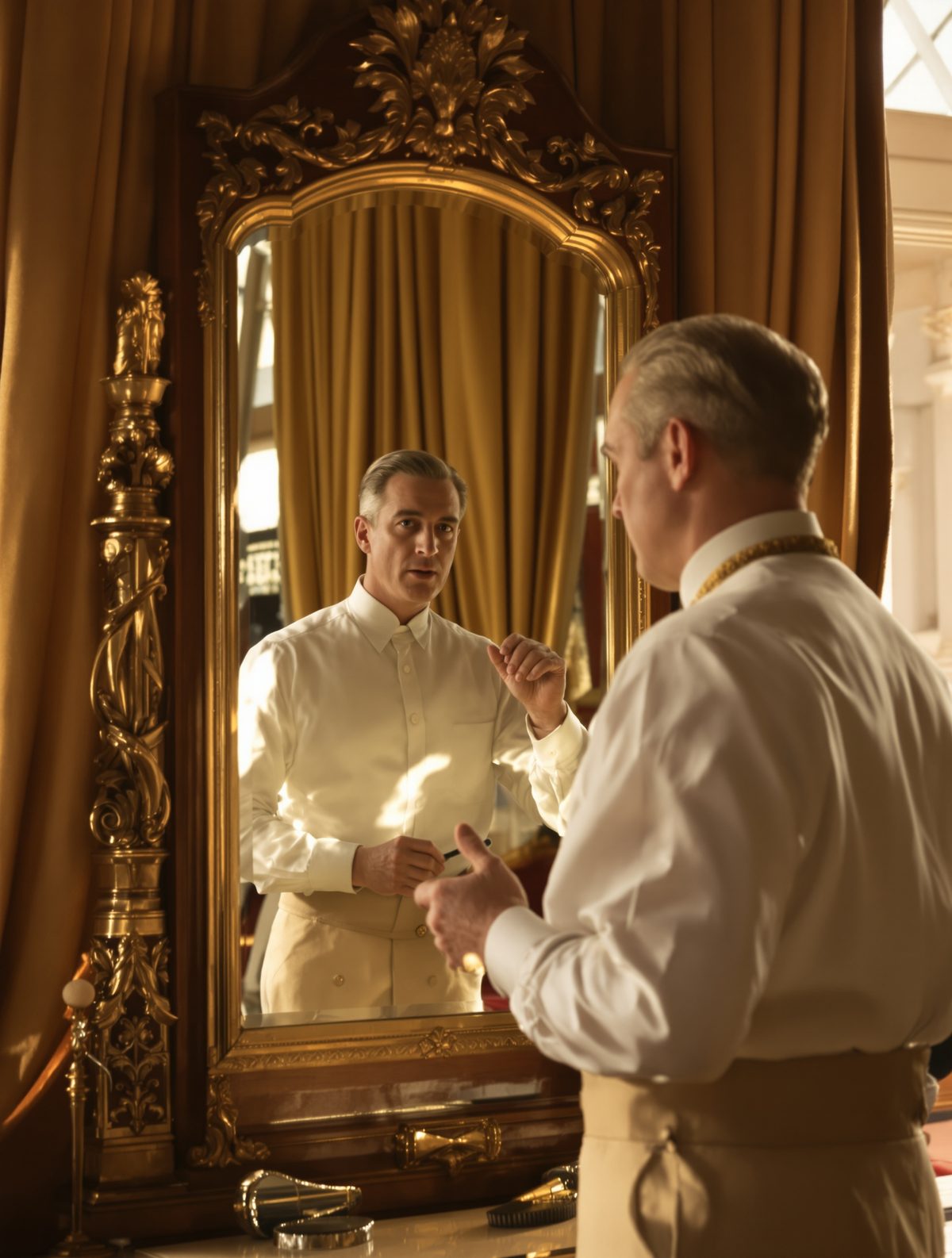
The morning of May 12, 1937, dawned crisp and clear over London, but inside Buckingham Palace, an air of nervous tension hung thick in the corridors. As courtiers bustled about making final preparations for the coronation of King George VI, the man at the center of it all had mysteriously disappeared. Palace staff searched frantically through the state rooms, private quarters, and gardens, growing increasingly worried as precious minutes ticked away. The new King—still adjusting to a role he had never expected to hold—had locked himself away in his private dressing room, and no amount of gentle coaxing could persuade him to emerge. What they didn't know was that inside that room, a profoundly personal drama was unfolding as the reluctant monarch faced his greatest fear.
The Unexpected King's Private Torment
Albert Frederick Arthur George—known to his family as Bertie—had never imagined he would wear the crown. As the second son of King George V, he had lived comfortably in the shadow of his charismatic older brother Edward, content to support the monarchy from the sidelines. But when Edward VIII abdicated in December 1936 to marry American divorcée Wallis Simpson, Bertie found himself thrust into a role that terrified him for one overwhelming reason: his severe speech impediment.
The stammer that had plagued him since childhood wasn't merely an inconvenience—it was a source of profound anxiety and shame. In an era when radio was transforming the monarchy's relationship with its subjects, the ability to speak clearly and confidently was more crucial than ever. The coronation ceremony would require him to recite the sacred oath before not only the assembled nobility in Westminster Abbey but also millions listening across the British Empire and beyond.
Behind the closed door of his dressing room that morning, surrounded by the familiar comforts of his private space, King George VI was fighting the most important battle of his life. His devoted valet, who had served him faithfully for years, later recounted hearing the King's voice through the door—not in conversation, but in earnest, determined practice. "I will solemnly promise," came the whispered words, repeated again and again with painstaking precision.
A Crown's Weight in Words
The coronation oath wasn't simply ceremonial language—these were among the most sacred and significant words a British monarch could speak. Dating back centuries, the oath bound the sovereign to govern according to law, exercise justice with mercy, and maintain the Protestant Reformed Religion. For George VI, who took his constitutional duties with utmost seriousness, getting these words right wasn't about personal pride; it was about honoring the very essence of kingship itself.
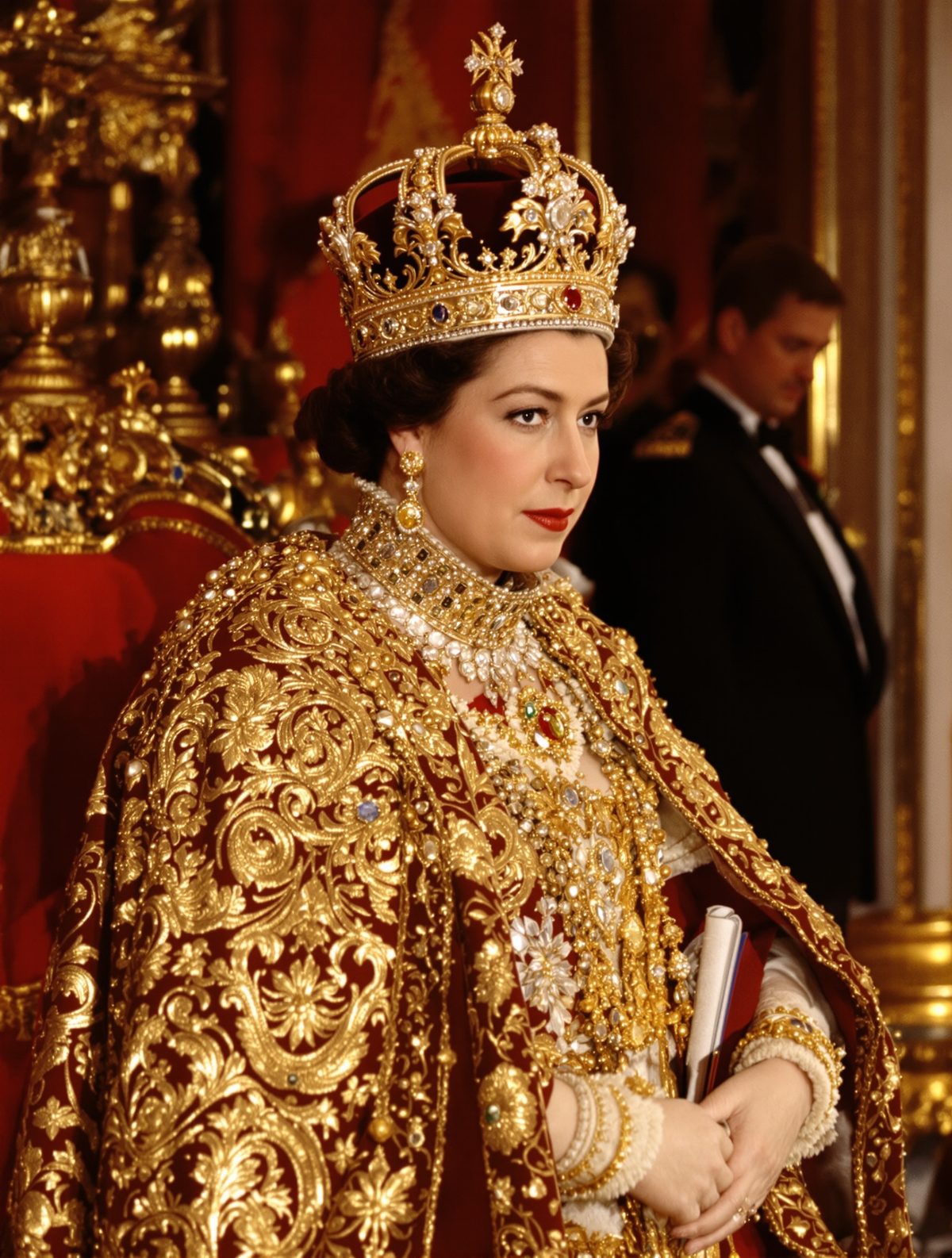
Standing before his mirror in full coronation regalia, the King practiced not just the words but the bearing required of a monarch. Every inflection mattered, every pause carried weight. His reflection became both audience and adversary—a silent witness to his determination to overcome the impediment that had shadowed his entire life. The crimson and ermine robes, the symbols of centuries of royal tradition, served as a powerful reminder of the generations of monarchs who had spoken these same words with clarity and conviction.
The King's perfectionism that morning wasn't born of vanity but of profound respect for the institution he was about to fully embrace. Each repetition brought him closer to the confidence he needed, each successful pronunciation of the challenging phrases built upon the last. His valet described hearing the rhythm of the practice—moments of silence followed by careful, deliberate speech, then longer pauses as the King gathered himself for another attempt.
The Palace Holds Its Breath
Outside the dressing room, the atmosphere grew increasingly tense as the appointed hour approached. Queen Elizabeth—later beloved as the Queen Mother—understood her husband's struggle better than anyone and insisted that palace staff give him the time and space he needed. She had witnessed firsthand his dedication to overcoming his stammer, working tirelessly with speech therapist Lionel Logue to develop techniques and build confidence.
The household staff, many of whom had served the royal family for decades, recognized the significance of what was happening behind that closed door. This wasn't a case of royal nerves or last-minute jitters—this was a man preparing to transform himself from reluctant prince to confident king through sheer force of will and determination. The whispered repetitions they heard weren't just practice; they were the sound of a monarch claiming his voice.
Senior courtiers, acutely aware of the schedule and the thousands already gathering at Westminster Abbey, found themselves in an impossible position. Protocol demanded punctuality, but wisdom suggested that interrupting the King's preparation could prove catastrophic. The decision was made to trust in his judgment and allow him the time he needed, regardless of the mounting pressure from the rigid coronation timetable.
Triumph in the Mirror
After what seemed like an eternity to those waiting outside, the dressing room door finally opened. King George VI emerged transformed—not just by his magnificent robes and regalia, but by an unmistakable air of quiet confidence. His valet later recalled that the King's final practice session had been flawless, each word of the oath delivered with the clarity and authority befitting a monarch.
The transformation was remarkable to witness. The nervous, stammering prince who had entered that room had emerged as a king ready to fulfill his destiny. His private battle with his reflection had become a moment of profound personal victory—proof that determination and preparation could overcome even the most daunting challenges. The man who had spent years dreading public speaking was now prepared to address not just a nation, but an empire.
At Westminster Abbey, when the moment came to recite the coronation oath, King George VI's voice rang out clear and strong. The words he had practiced so diligently in his dressing room—"I will solemnly promise"—were delivered with a conviction that moved those present to tears. The stammering that had once defined him seemed to vanish in the face of his determination and the weight of the moment.
A Legacy Written in Courage
That morning's private struggle in front of his dressing room mirror would prove to be a defining moment not just for the coronation, but for George VI's entire reign. The confidence he found in those precious minutes of solitary preparation carried him through sixteen years of kingship, including the dark days of World War II when his radio broadcasts became a source of comfort and inspiration for millions.
The King's determination to overcome his impediment speaks to something profound about both personal courage and royal duty. In an age when authenticity and relatability are prized in public figures, George VI's very human struggle with his stammer made him more, not less, regal. His willingness to fight for every word, to practice until perfection was achieved, demonstrated a dedication to service that elevated the crown itself.
Today, as we watch his grandson King Charles III and his great-grandsons continue the family tradition of service, we can see echoes of that same quiet determination. The royal family's openness about personal challenges—from mental health to speech difficulties—can be traced back to George VI's example of turning vulnerability into strength. His morning of whispered practice reminds us that sometimes the most important battles are fought not on public stages, but in private moments when we choose to face our fears and emerge stronger for having done so.