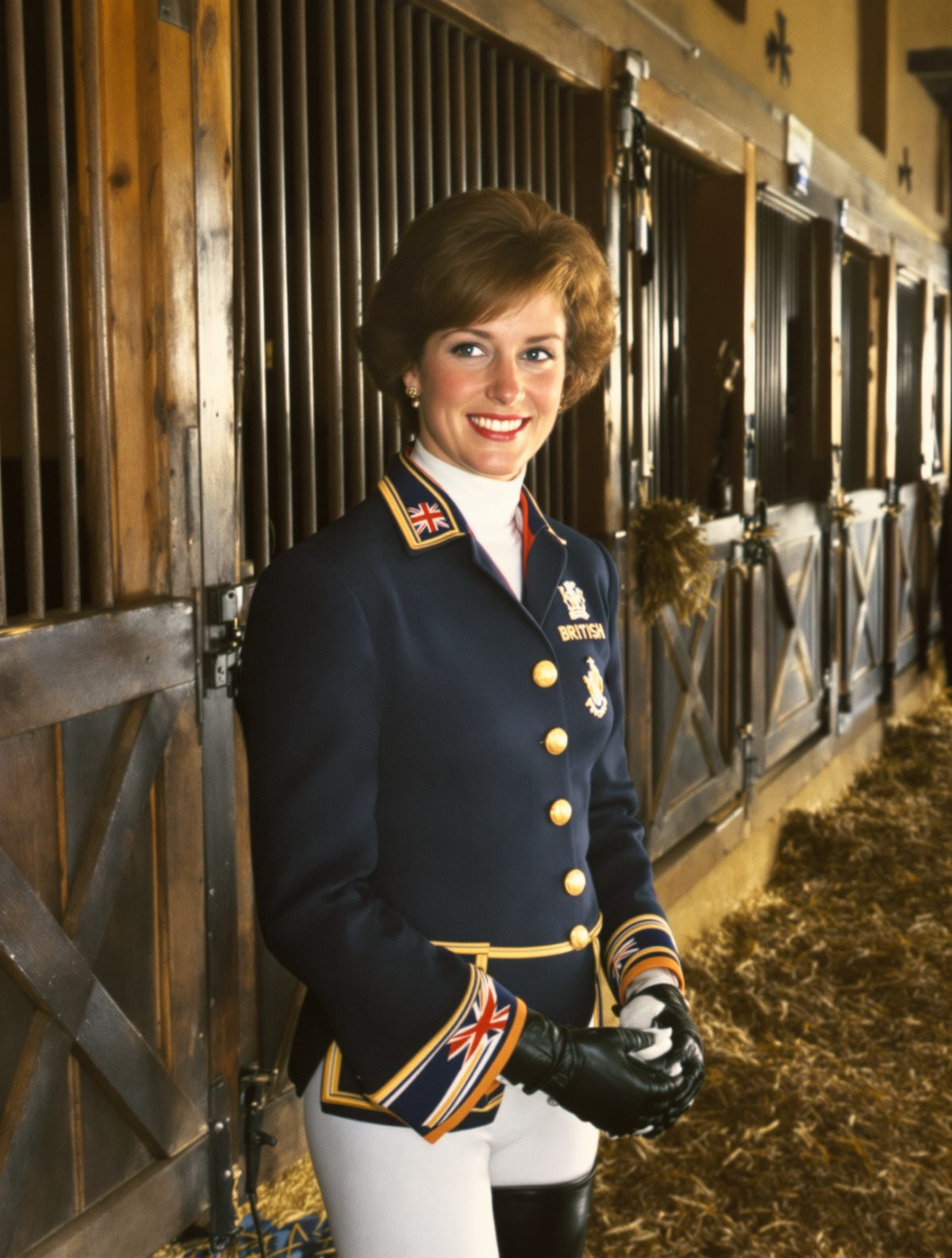
At the 1976 Montreal Olympics, Princess Anne became the first royal to compete in the Games. But while the world watched her historic equestrian performance, her protection officers were having nightmares trying to keep track of her. The Princess Royal had developed an alarming habit of vanishing from their sight, leaving behind a trail of frantic bodyguards and one very clear message: when it came to horses, protocol could take a back seat.
A Royal First at the Montreal Games
The summer of 1976 marked a watershed moment for the British monarchy. Princess Anne, then 26 and already establishing herself as one of the hardest-working royals, had earned her place on the British equestrian team through sheer talent and determination. This wasn't a ceremonial appointment or royal privilege—Anne had competed fiercely for her spot, winning the European Championships the previous year and proving herself against the world's best riders.
Her presence at Montreal was groundbreaking in more ways than one. No member of the British Royal Family had ever competed in the Olympic Games, making Anne a trailblazer who would pave the way for future generations. The eyes of the world were upon her, cameras followed her every move, and the pressure was immense. Yet those closest to her knew that Anne thrived under such circumstances—it was keeping her in one place that proved to be the real challenge.
The Olympic equestrian events were held at the Olympic Equestrian Centre in Bromont, about 80 kilometers southeast of Montreal. The venue buzzed with international competitors, grooms, trainers, and officials, creating the perfect environment for a determined princess to blend into the crowd and pursue her true passion: being with the horses.
The Great Disappearing Act
Princess Anne's security detail had faced many challenges over the years, but nothing quite prepared them for Montreal. The Princess had always been known for her independent streak—a trait that had served her well in the competitive equestrian world but proved rather troublesome for those tasked with her protection. What started as brief absences quickly escalated into full-scale vanishing acts that left her bodyguards scrambling.
The pattern became frustratingly familiar. One moment, Anne would be visible at the equestrian venue, perhaps watching other competitors or reviewing courses. The next, she would have melted away into the maze of stables, warm-up areas, and training facilities that sprawled across the Olympic site. Her protection officers, trained to anticipate threats and maintain visual contact, found themselves playing an elaborate game of hide-and-seek with their royal charge.
What made these disappearances particularly nerve-wracking was the international nature of the Olympics. The venue was filled with people from dozens of countries, many of whom would have recognized the British princess instantly. The security implications were significant, yet Anne seemed blissfully unconcerned about such matters. She had found herself in horse heaven, and nothing—not protocol, not security concerns, not even Olympic regulations—was going to keep her from making the most of it.
A World Within a World
The Olympic stables represented something quite unique for Princess Anne. Here was an environment where her royal status, while certainly known, was secondary to her expertise and passion. Among the grooms, trainers, and fellow competitors, she wasn't just "Your Royal Highness"—she was a serious equestrian athlete who genuinely understood horses and wasn't afraid to get her hands dirty.
This democratic aspect of the equestrian world had always appealed to Anne. Throughout her competitive career, she had insisted on doing much of her own horse care, refusing to let others handle tasks she felt she could do better herself. At Montreal, surrounded by the world's finest horses and most dedicated horse people, she was truly in her element.
Mucking Out with Royalty
The sight that repeatedly greeted Anne's exasperated bodyguards became the stuff of Olympic legend. Time and again, they would track down their missing princess only to find her in the stables, sleeves rolled up, working alongside the grooms. She would be mucking out stalls, checking on horses, or deep in conversation with trainers about everything from feeding schedules to training techniques.
For the protection officers, these discoveries were simultaneously relieving and alarming. On one hand, they had located their charge safe and sound. On the other hand, finding a member of the British Royal Family elbow-deep in stable work, surrounded by international strangers in an unsecured environment, was hardly what they had envisioned when they signed up for royal protection duty.
Anne's behavior wasn't rebellious in the traditional sense—she wasn't trying to cause trouble or make a statement about royal protocol. Rather, she was following her genuine instincts and interests. The Princess had always been most comfortable around horses, finding them more straightforward and honest than many of the people she encountered in her royal duties. At Montreal, surrounded by some of the finest horses in the world, the temptation to spend every possible moment with them proved irresistible.
The international grooms and stable hands, initially startled to find themselves working alongside British royalty, quickly discovered that Anne was refreshingly down-to-earth. She asked intelligent questions, offered practical help, and demonstrated a level of horse knowledge that earned their respect. For them, having a princess who wasn't afraid to get dirty was a pleasant surprise. For her security detail, it was a continuous source of anxiety.
The Human Touch
What emerges from accounts of Anne's Montreal adventures is a picture of someone who genuinely preferred the company of horses to the formal world of royal obligation. This wasn't unusual for serious equestrians—many speak of the peace and authenticity they find in stable environments—but it was certainly uncommon behavior for a member of the Royal Family on such a visible international stage.
The Princess's escapes revealed something profound about her character. Even at the Olympics, representing her country and making history, she remained true to her core self. The protocols and security arrangements, while necessary, felt artificial compared to the honest work of caring for horses and connecting with fellow horse enthusiasts from around the world.
Legacy of Independence
Princess Anne's Montreal escapades have become part of Olympic folklore, but they also represent something larger about her approach to royal duty. Throughout her life, she has consistently found ways to maintain her authenticity while fulfilling her royal obligations. Her refusal to be constrained by excessive protocol, evident even at such a high-profile event, helped establish her reputation as the most refreshingly straightforward member of the Royal Family.
The bodyguards who sweated through those Montreal days undoubtedly learned valuable lessons about royal protection. Managing Princess Anne required flexibility, quick thinking, and an acceptance that conventional security approaches might need adjustment. Her independent spirit, while challenging for those responsible for her safety, was also part of what made her such an effective royal representative.
Looking back nearly five decades later, Anne's behavior at Montreal seems remarkably prescient. Her insistence on authentic engagement, her willingness to work alongside others regardless of status differences, and her prioritization of substance over ceremony would become hallmarks of modern royal approaches to public duty. While her contemporaries might have been shocked by a princess mucking out stables, today such hands-on involvement feels entirely natural for working royals.
The 1976 Olympics marked more than just Princess Anne's historic debut as the first royal Olympian. They showcased a future monarch's daughter who refused to let ceremony overshadow substance, who valued genuine connection over artificial distance, and who understood that true nobility sometimes means getting your hands dirty. Her frazzled bodyguards might not have appreciated it at the time, but they were witnessing the actions of a royal who would spend the next five decades proving that authentic service requires authentic engagement—even if it occasionally drives your security detail to distraction.