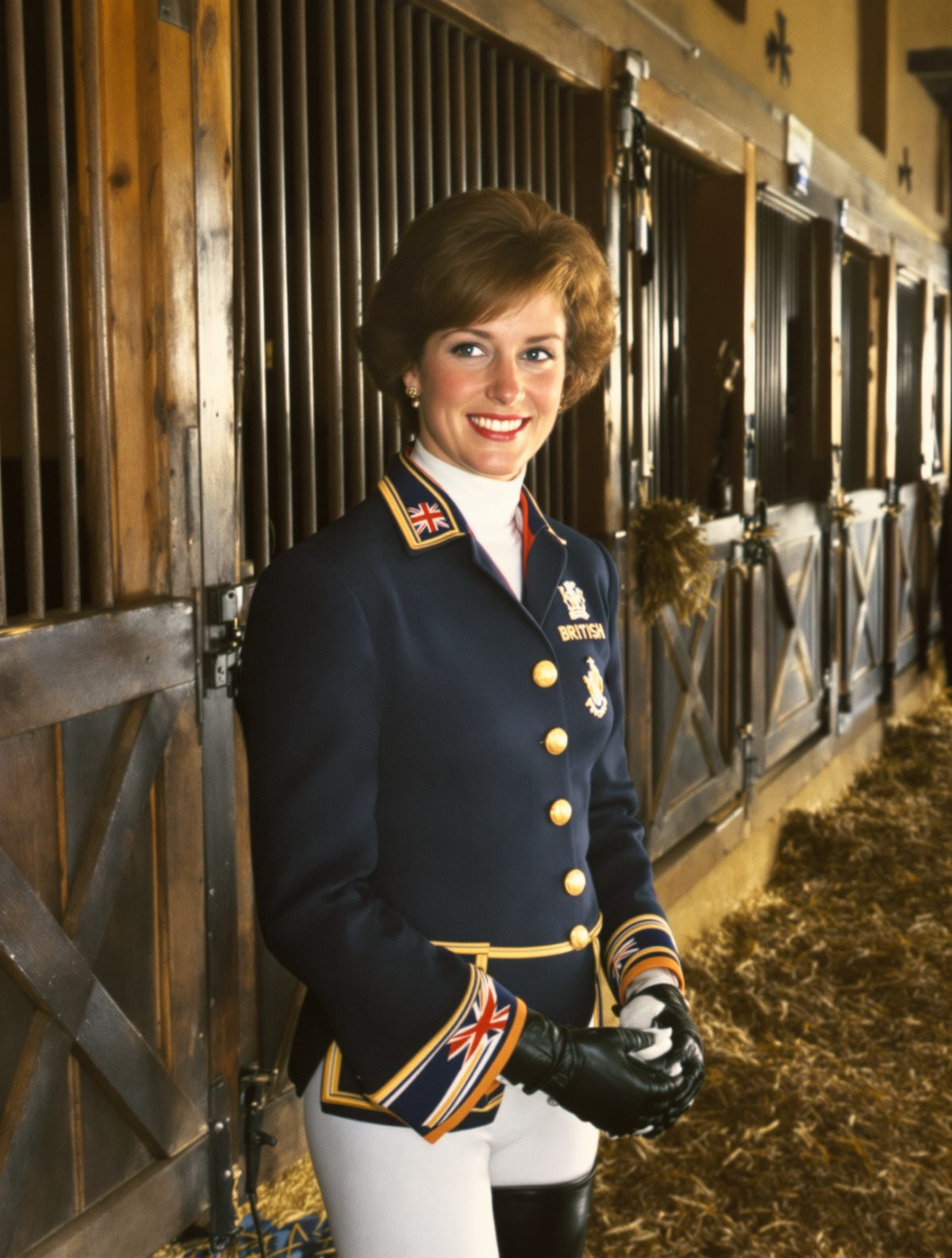
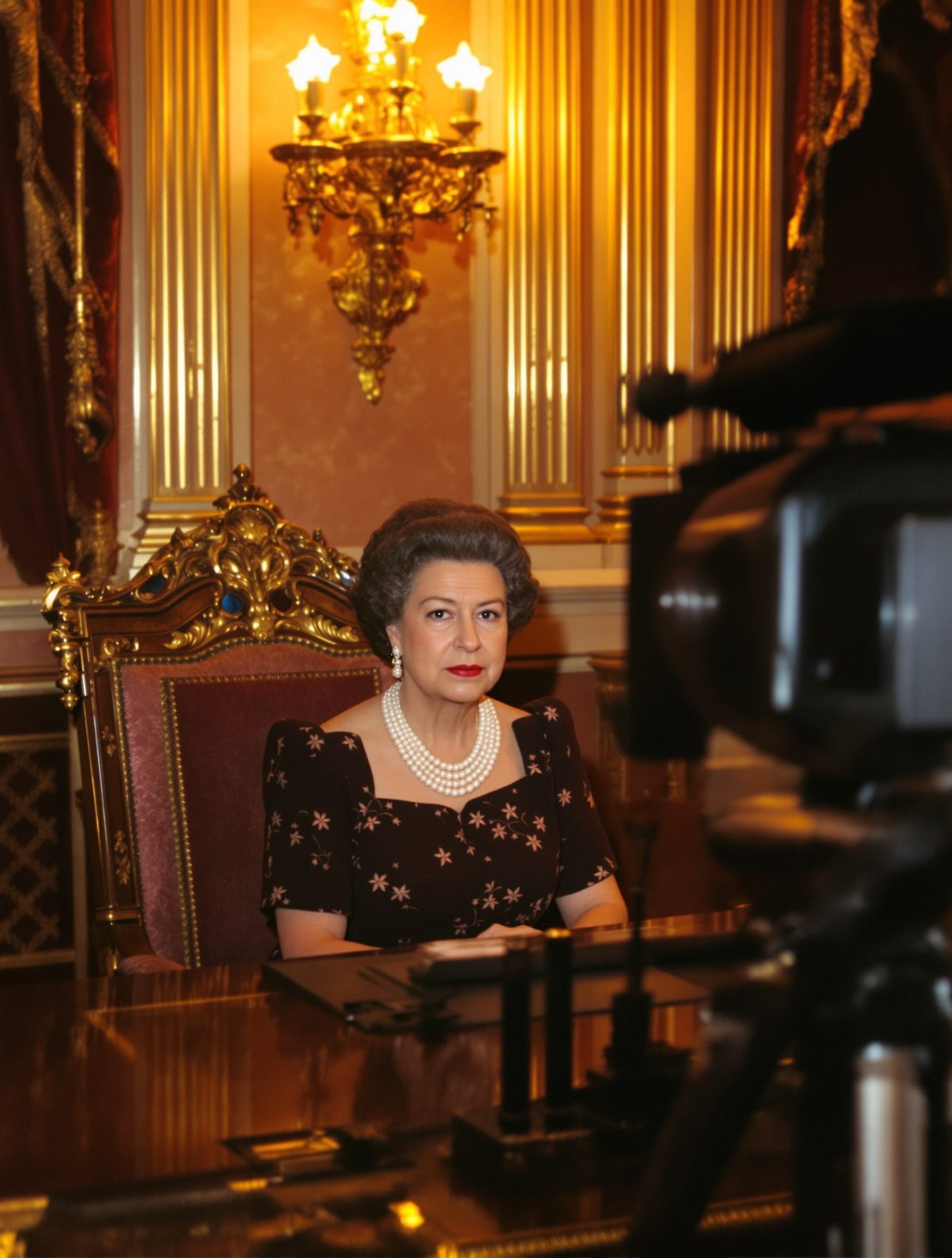
In the grand State Dining Room at Buckingham Palace, on a crisp December afternoon in 1983, Queen Elizabeth II sat before the BBC cameras wearing her favourite sapphire brooch and a powder-blue dress. She had just finished recording her annual Christmas message to the Commonwealth—a tradition her grandfather King George V had begun on radio in 1932. But as the crew packed away their equipment, the Queen remained seated. There was one more recording to make. One that she prayed would never be broadcast.
This second message, filmed in the same outfit on the same day, was destined for the BBC's most secure vault. It was Her Majesty's nuclear war emergency broadcast—a chilling address prepared for a Britain under atomic attack. While families across the realm would gather around their televisions on Christmas Day to hear the Queen's warm words about hope and togetherness, this alternative message remained locked away, a sobering reminder of the precarious times in which she reigned.
The Cold War's Darkest Hour
The year 1983 marked one of the most dangerous periods of the Cold War. Just two months before the Queen's Christmas recording, the world had teetered on the brink of nuclear catastrophe when Soviet early warning systems mistakenly detected incoming American missiles. Only the clear thinking of Lieutenant Colonel Stanislav Petrov prevented what could have been global annihilation. Meanwhile, NATO's Able Archer 83 exercise had been so realistic that some Soviet leaders genuinely believed the West was preparing for a first strike.
Against this backdrop of international tension, the British government's emergency planning had reached new levels of sophistication and urgency. The Queen, as head of state, was central to these preparations. Her role in maintaining national morale during a nuclear crisis was considered so vital that detailed protocols existed for her safety, communication methods, and even succession planning should the unthinkable occur.
The royal household had long been aware of these contingencies. During the Second World War, the teenage Princess Elizabeth had remained in London throughout the Blitz, sharing in her people's dangers. Now, as a mature sovereign, she understood that nuclear war would present challenges beyond anything her predecessors had faced. The very survival of the monarchy—and the nation—might depend on her ability to provide leadership when normal government structures collapsed.
A Monarch's Ultimate Duty
The decision to pre-record an emergency broadcast reflected both practical necessities and the Queen's deep sense of constitutional duty. In the event of nuclear attack, communications infrastructure would likely be severely damaged. Broadcasting equipment might be destroyed, and travel to recording facilities could prove impossible. By creating the message in advance, the authorities ensured that the Queen's voice could reach any surviving transmission equipment, providing comfort and instruction to a traumatised population.
The content of such broadcasts, while classified for decades, followed established protocols for wartime communication. The Queen's role would be to acknowledge the crisis honestly while maintaining hope, provide essential information about survival and recovery efforts, and remind her subjects of their shared values and resilience. Her presence on the airwaves would signal that the constitutional order endured, even amid unprecedented destruction.
Those close to the royal household during this period have noted the Queen's remarkable composure when discussing these grave responsibilities. She approached the task with the same methodical preparation she brought to state occasions, understanding that her training in duty and service equipped her for even this darkest of scenarios. The weight of potentially being the voice that guided Britain through nuclear winter was something she bore with characteristic stoicism.
Behind Palace Gates
The actual recording session was conducted with extraordinary secrecy. Only essential BBC personnel and palace staff were present, all bound by the Official Secrets Act. The Queen's private secretary would have coordinated with government officials to ensure the message aligned with emergency protocols, while the BBC's senior executives personally oversaw the technical aspects.
Remarkably, the Queen wore the same outfit for both recordings—a detail that speaks to the careful planning involved. Should the emergency broadcast ever be used, viewers would associate it with the familiar comfort of Christmas Day, when they had last seen their sovereign. This psychological consideration demonstrates the sophisticated understanding of public morale that guided royal communications.
The completed recording was immediately sealed and transported to a secure facility, joining other elements of Britain's emergency preparations. Few people knew of its existence, and even fewer had access to view it. The Queen herself likely never saw the broadcast again after that December afternoon, though she would continue recording updated versions throughout the 1980s as the Cold War persisted.
The Christmas Message That Was
Meanwhile, the Christmas broadcast that actually aired painted a very different picture. Speaking to an estimated 100 million viewers across the Commonwealth, the Queen reflected on the year's events with warmth and optimism. She spoke of the Commonwealth Games, celebrated the achievements of young people, and emphasised the importance of service to others. Her calm, reassuring presence in sitting rooms across the globe provided exactly the stability and continuity for which the institution of monarchy is cherished.
The contrast between this public message of hope and the private recording of potential catastrophe encapsulates the extraordinary dual nature of royal duty. Even as she spoke of peace and goodwill, the Queen carried the knowledge that she might someday have to address her people in their darkest hour. This burden of preparation for unthinkable scenarios has always been part of constitutional monarchy, but never more so than during the nuclear age.
A Legacy of Preparedness
The existence of these emergency broadcasts remained classified for decades, only becoming public knowledge through gradual declassification and historical research. When details finally emerged, they revealed not just military planning, but the profound personal commitment of a sovereign who understood that duty extends beyond ceremony and celebration to encompass the darkest possibilities.
Today, as we face new global uncertainties, the Queen's willingness to prepare for nuclear catastrophe seems both a relic of a particular historical moment and a timeless example of constitutional responsibility. Her quiet acceptance of this burden, recorded in the same breath as her Christmas message of joy, demonstrates the extraordinary range of roles that monarchy encompasses. In an age of instant communication and constant media coverage, it's humbling to remember when the sovereign's voice might have been the only link holding a shattered nation together.
The secret Christmas broadcast of 1983 reminds us that behind the pageantry and tradition of the British monarchy lies a steely commitment to duty that extends far beyond what the public sees. In preparing to lead Britain through its potential darkest hour, Queen Elizabeth II embodied the very essence of constitutional monarchy: to serve not just in celebration, but in crisis, offering continuity when all else fails.