The grandeur of royal visits often dazzles, filled with ceremony, speeches, and a flurry of flashes capturing carefully choreographed moments. Yet, sometimes, what occurs away from the gaze of photographers reveals more about the essence of a person than the brightest spotlight could. Such was the case during an unassuming yet profoundly touching moment in 1994 when Prince Philip, the Duke of Edinburgh, departed from the expected script to offer solace to a troubled soul amidst the sanitized walls of a hospital ward. This is the story of the afternoon when the heart behind the role shone brightly, free from the gilded trappings of royal duty.
The Unscheduled Stop
It was a typical royal engagement. Prince Philip arrived with his characteristic brisk energy, set on a day that promised the usual blend of official duties mixed with fleeting personal interactions. The purpose of his visit was to inaugurate a new children's ward, an endeavor highlighting both medical progress and a commitment to the health and welfare of the nation’s youth. The Prince consort, revered for his relentless support of Queen Elizabeth II and his dedication to public service, was no stranger to such events. However, this visit would become unique in its quiet aftermath.
As the polished speeches concluded and hospital staff mingled with lingering dignitaries, an unanticipated series of actions unfolded. Prince Philip, instead of moving towards the exit as the schedule demanded, found himself drawn to a small boy, perhaps only five or six, sitting upright on his hospital bed, seemingly adrift in the bustling room around him.
Unbeknownst to those busy tracing the Prince's planned departure, he had, with practiced stealth and genuine curiosity, diverted his attention entirely. And there, next to that frightened boy, the Prince settled down — not with an air of princely authority or to pose for a photo that would grace tomorrow's tabloids, but with the simple, human desire to offer comfort.
A Quiet Encounter
The bustling hospital room became filled with a different energy as Prince Philip sat cross-legged on the floor beside the child. He was devoid of aides or entourage, merely a man in a suit forged from formality yet radiating kindness. Not a single camera lens was present to immortalize the scene; the newspapers would never carry this image. This was a moment for those present, a tender intersection of duty and compassion.
The staff, initially unaware of the change in proceedings, slowly realized the absence of the Prince towards whom they habitually oriented their focus. It was a nurse, coming upon the unexpectedly hushed corner of the room, who first witnessed this extraordinary tableau. Her recounting, shared later with friends and colleagues, spoke not of grand gestures but of the quiet dignity in simply being present for someone who needed reassurance.
While details of their conversation remain shrouded in the privacy of that shared moment — a testament to the personal nature of the exchange — it was clear that the Duke’s intent was to bridge the alarming vastness between royal eminence and youthful fear. Prince Philip had, throughout his life, been characterized by a straightforward, sometimes blunt approach, which mirrored his genuine interest in addressing the individuals within the sea of people he encountered.
The Man Behind the Medal
Prince Philip’s reputation within the Royal Family was one of duty-driven service and unwavering support. A man of the Navy, he was schooled in disciplines that often demanded stoicism and resilience, qualities which he adeptly translated into his royal role. Yet this did not overshadow his natural affinity towards people, a quality manifested through countless speeches peppered with humor, engagements undertaken with sincerity, and off-the-cuff moments of humanity like this one.
This incident in the hospital reflects deeper layers of Prince Philip's character, predominantly characterized by a pragmatic approach to life that, surprisingly, became tempered by genuine warmth in unexpected situations. The Duke's ability to connect with the young patient illustrates the expansive spectrum of his engagement with the public, stretching beyond the regal assignments into unchartered realms of simple, compassionate actions.
Historians and royal enthusiasts alike often note his proclivity to bypass ceremonial stiffness in favor of authenticity — a rare quality that endeared him to those who glimpsed such moments, even within the restrictions of his lofty position.
Legacies Unseen
As the event concluded and Prince Philip eventually stood up from the hospital floor, reclaiming his position within the orchestrated departure, those who witnessed the exchange found themselves imbued with a story to carry forth. It was a tale not drowned in the fanfare, but one carried by the power of quiet integrity.
The legacies of the British monarchy are often cast in the light of its public spectacles and political influence. Yet, the enduring success of the Royal Family also hinges on such instances of personal interaction, where titles dissolve into simple acts of kindness. These moments carry a potency that outlasts many a grand public engagement. To those involved, the day’s events threaded into the broader tapestry of what it means to be royal — nobility steered by humanity’s compass.
In today's ever-changing societal landscape, where the roles and relevance of the monarchy persist as focal points of discussion, stories like this remain vital. They remind us of the intrinsic potency of personal contact. Prince Philip’s afternoon on a hospital floor serves as a subtle but profound reflection of the enduring power of empathetic leadership, and its ripple effect that inspires generations beyond those directly involved.
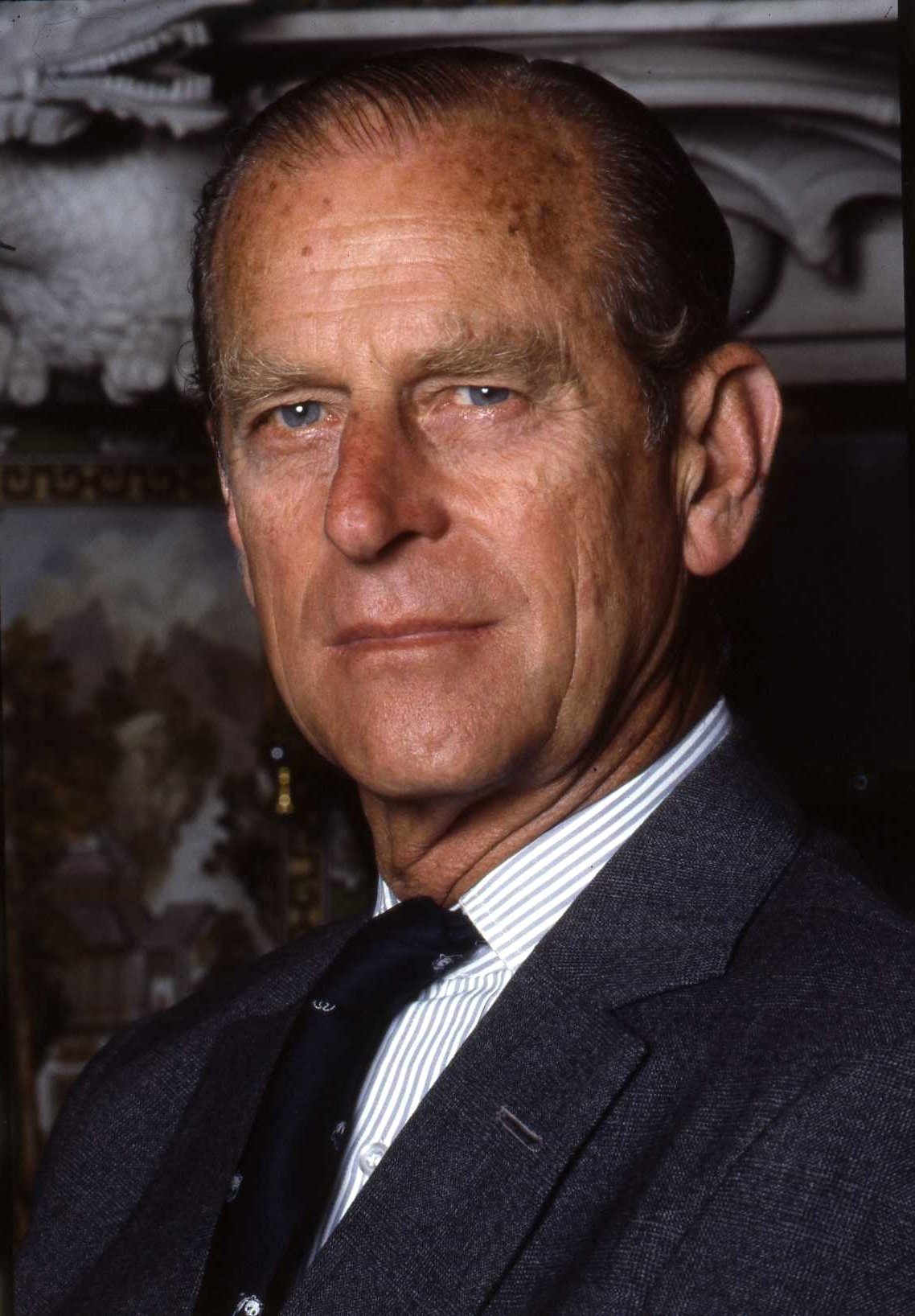
📷 Photo: Allan warren. CC BY-SA 3.0 via Wikimedia Commons.