As smoke filled the skies of London and sirens wailed through the night, one might have expected a king to retreat into the safety of fortified walls. But in 1940, George VI defied such expectations. This steadfast monarch, whose reign was shaped by war and public duty, slipped quietly into the shelters that dotted the beleaguered city. The people taking refuge there were ordinary Londoners—mothers, fathers, and children—seeking safety from the unyielding blitz. Remarkably, they would find themselves joined in their moment of uncertainty by their sovereign, not delivering royal decrees, but offering the simple, enduring comfort of a story.
A King Among the People
King George VI, known affectionately as Bertie by those close to him, had not been born to rule. The second son of King George V, he ascended to the throne unexpectedly after the abdication of his brother, Edward VIII. George was a reserved man, one whose natural shyness made public speaking an ordeal. Yet, it was this very humility and humanity that endeared him to his subjects—a quality that proved vital during Britain's darkest hours.
Amidst the relentless bombing campaign the German Luftwaffe launched against Britain, George VI sought not just to address his people's fears, but to share in them. The Royal Court, traditionally seen as aloof, stood closer to the people than ever before, reshaping royal duty into an act of empathetic solidarity. The Queen Consort, Elizabeth, famously stated, "The children won't leave unless I do. I won't leave unless their father does, and the king will never leave."
A Human Connection in Crisis
Imagine the King, dressed not in the regal uniforms of state occasions but rather in the understated simplicity of a navy trench coat, anxiously threading his way through the narrow confines of an underground shelter. Such moments transcended the usual interactions of royalty with the public, for they were raw and unvarnished by ceremony. George VI offered companionship to those who had lost homes and loved ones, who understood in him a figure just as invested in the shared fate of their city.
The King often entered these shelters alone, accompanied by only the most essential bodyguards who respected his request for discretion. His presence was both reassuring and poignant. With a hand on a shoulder here or a kind word there, George VI forged connections that offered an unspoken promise that the British resolve would not waver.
The Bedtime Story
It was in this setting of camaraderie and shared suffering that an extraordinary gesture took place. As the story goes, King George VI, confronted with the sight of frightened children huddled close to their mothers, felt moved to offer comfort in the form of a simple bedtime story. Without ceremony, he sat with the families and children, and in the flicker of candlelight and torches, worked to soothe frayed nerves with tales that transcended the night's terrors.
For a short time, these children, trembling as the walls shook above, were transported into worlds far removed from their wartime reality. The King, in his gentle voice, became less a monarch and more a fatherly figure offering solace and familiarity in a world turned upside down.
Though the exact stories he read have been lost to history, the power of his act is undeniable. It was not the tales themselves but the act of storytelling—the intimacy of a shared experience—that lingered in the hearts of those present. In those precious moments, the King was no distant ruler; he was a fellow Londoner, a gentle guardian against the encroaching darkness.
The Royal Example
The actions of King George VI during the Blitz left a legacy of royal engagement and empathy that continues to inspire today. While future generations of royals have faced their own challenges, the enduring quality of George VI's reign was his inherent belief in the shared humanity with his subjects. The Queen's current charm and Prince William and Princess Catherine's active engagement with charitable causes speak to this enduring legacy of accessibility and warmth.
Such moments in history remind us that leadership can be as much about presence and empathy as it is about policy. Kings and Queens have always held a ceremonial place in the spectacle of British heritage, yet the true heart of monarchy is its capacity to touch lives with simple acts of kindness during tumultuous times.
An Enduring Lesson
The actions of George VI resonate today, a testament to the strength found in vulnerability and kindness. In contemporary times, where crises still unsettle, the example George VI set reminds us that true leadership often requires stepping beyond the barriers of rank to offer a steadying hand to those in need.
As the world continues to face new challenges, the story of the bedtime tales read by a wartime king to bombed-out Londoners stands as a profound reminder of our shared humanity, amidst fear and uncertainty. It is in these acts, sometimes small in magnitude but immense in impact, that the royal family finds its enduring purpose—a purpose not just enshrined in tradition, but rooted in the deep, unwavering pulse of human connection.
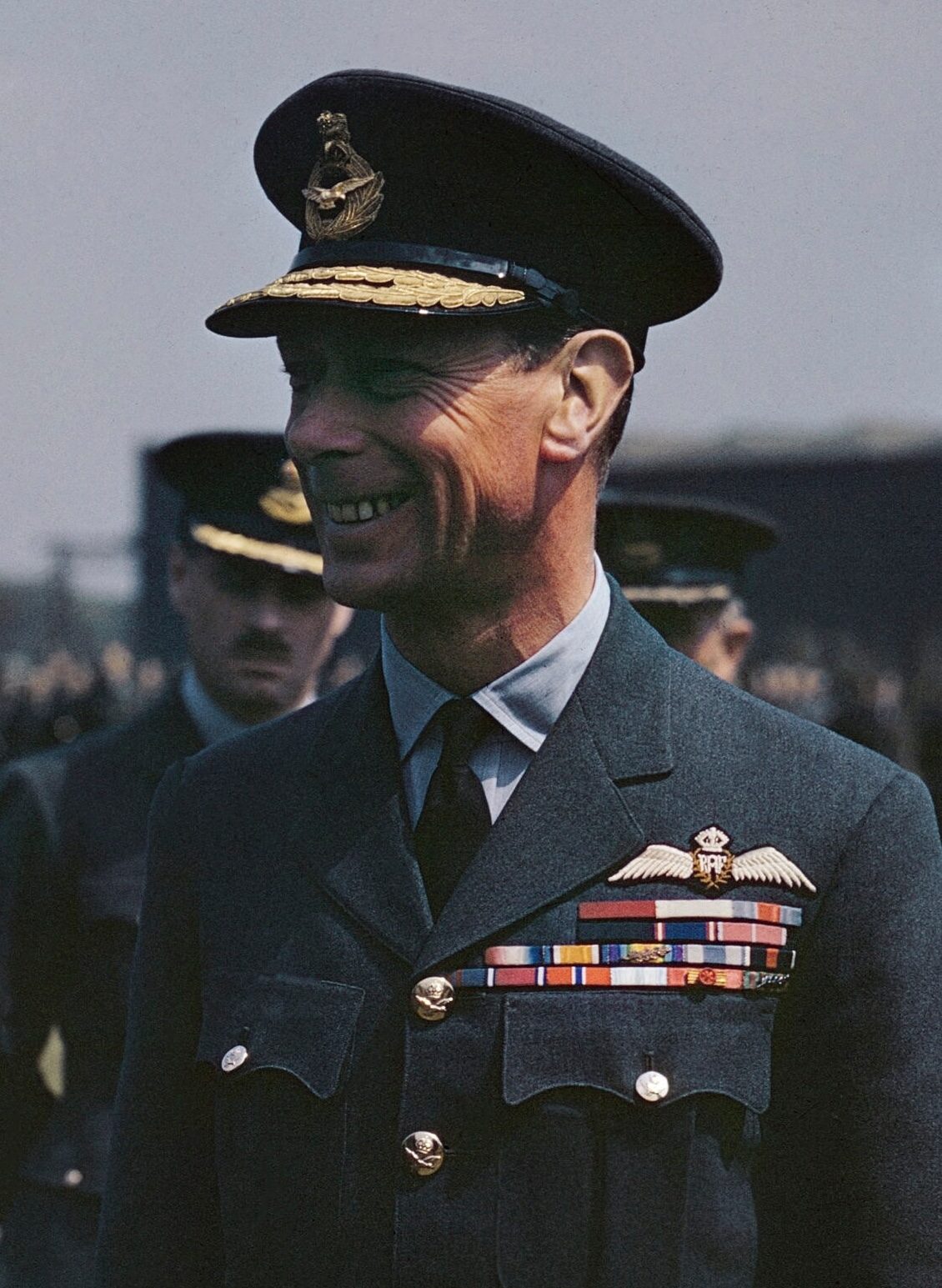
📷 Photo: Royal Air Force official photographer. Public domain via Wikimedia Commons.