In the realm where tradition reigns and every gesture speaks volumes, Queen Mary of Teck stood as a paragon of loyalty to the Crown. On December 10, 1936, amidst the echoes of an unprecedented royal crisis, she did something that defied the personal agony churning within—she chose to represent the monarchy in its most splendid form. As news of her son, King Edward VIII's abdication reverberated through the royal corridors, Queen Mary dressed for dinner, bedecked in jewels that shimmered with paradoxical brilliance against a backdrop of heartbreak. Hers was a steadfast commitment to royal duty, a silent proclamation that the monarchy endured, even if deeply bruised.
The Fateful Day: Embracing Duty Over Despair
December 10, 1936, was etched in history as the day a reigning monarch chose love over the throne. Edward VIII's decision to abdicate left families torn between personal affection and public duty—a dilemma at its most profound. Yet, amid the upheaval, Queen Mary maintained an unyielding allegiance to the royal ethos. Informed in the regal confines of Marlborough House, she received the news with her characteristic stoicism.
The abdication crisis had posed an unprecedented challenge not just politically but personally. The queen mother, herself the embodiment of Edwardian decorum, had never embraced Wallis Simpson, the woman for whom her son was willing to renounce the Crown. Nonetheless, Queen Mary's actions reflected the mantra she lived by: The Crown is absolute; personal desires must not alter the course of duty.
A Regal Response: The Jewel Box of History
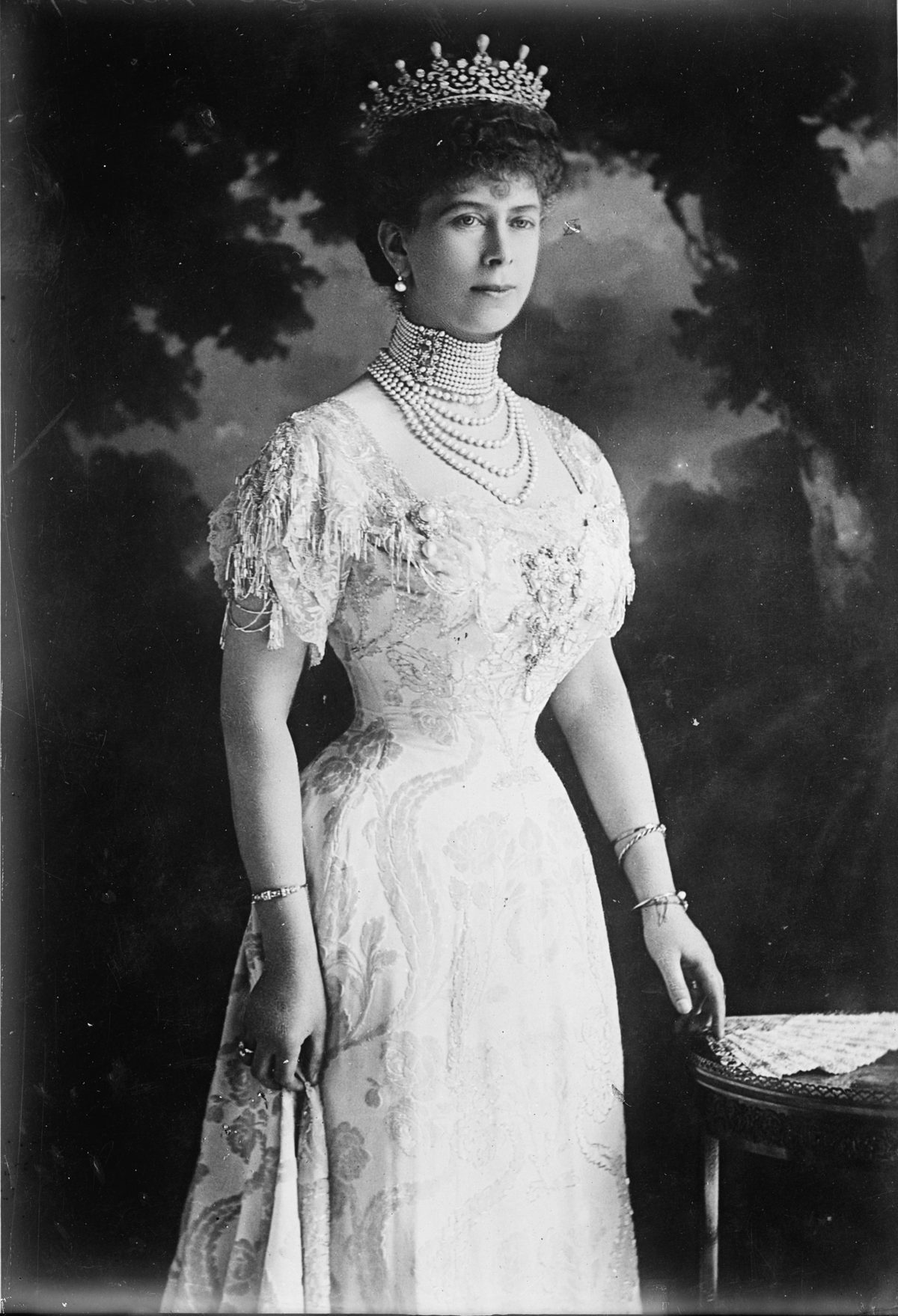
That evening, Queen Mary did not retire to mourn in solitude. Instead, she insisted on upholding the customary pomp—a decision that underscored her belief in the monarchy above all. She adorned herself in a gown befitting her title, meticulously selected from her extensive wardrobe, which was a veritable tapestry of royal history.
Her choice of jewelry was as calculated as it was opulent. The tiara she donned, a family heirloom, had once graced the brows of queens before her. Each piece of jewelry was more than adornment; it was a beacon proclaiming continuity, stability, and the indomitable spirit of monarchy, come what may. A pearl necklace, symbolizing purity and rebirth, rested elegantly upon her neck, a subtle nod to the hope of yet more resilient tomorrows.
Court Life in 1936: An Epitome of Grace Under Pressure
Inside the hallowed walls of Buckingham Palace and other royal residences, 1936 had been a year of whispered anxieties and public speculations. Queen Mary, revered for her acute sense of decorum and her dedication to royal duties, remained an anchorage amidst the swirling tumult. Her influence on court life extended beyond ceremonial functions; she embodied the dignity that would see the monarchy through dark days.
The evening of the abdication, dinner was to be no more somber than usual. For the chosen few who saw Queen Mary that night, her demeanor exuded a meticulous calmness, confirming her unspoken philosophy: personal grievances must never eclipse one's public responsibilities. The meal was served with the usual precision, the silverware gleamed, and a hush of reverence fell over the attendees as they watched the queen uphold the tradition.
The Woman Behind the Crown: Poised Yet Pained
Beneath her stately exterior, Queen Mary was a woman of flesh and feelings, as complex as any mother faced with such a profound personal loss. To reconcile the public role she cherished with the private turmoil gripping her heart was no small feat. Her diaries and letters, which historians painstakingly pieced together, hint at the inner struggle she bore with characteristic fortitude. Though sorrowful about her son’s choices, Queen Mary’s overarching loyalty remained towards the institution that sustained the family legacy.
Her husband, King George V, famously said, "After me, the deluge," fearing the repercussions of handover to Edward. In a way, Queen Mary’s actions were an effort to stem that deluge, a vigilant guardian of continuity amidst change.
An Enduring Legacy: Lessons for Today
Queen Mary's response to the abdication provides more than just fodder for historians—it's an enduring lesson in resilience through dedication to duty. In a world that today often places individual desire above long-held traditions, her choice to prioritize service remains a striking example of steadfastness.
As modern monarchy continues to navigate the complex tides of public expectation and personal autonomy, Queen Mary’s unwavering resolve offers a poignant narrative. The echoes of December 1936 continue to remind us of the delicate balance required of those in whom such substantial civic legacy resides. Her example prompts us to ponder: How do we balance the personal with the public? When challenges threaten our roles, how do we persevere without surrendering to despair?
Queen Mary’s actions were a testament, not just to regal duty, but to personal grace under pressure. They underscore a simple, yet powerful notion: In the face of seismic change, that which is unwavering can sometimes shine the brightest. Her legacy is not merely relic but resonance, offering inspiration for both monarchs and everyday individuals navigating their own trials.
📷 Photo: Harris & Ewing, photographer. Public domain via Wikimedia Commons.