Among all the dazzling jewels, swaying melodies, and polite applause of the imperial state banquet, it happened with a serenity that could never be rehearsed. As a gentle rustle of silk swept through the hall, every gaze found itself magnetized towards the figure that seemed to float amid an ocean of tradition and decorum. Princess Diana had arrived. It was Tokyo, 1986, and a new chapter in the timeless story of British elegance had been written, using a single, unforgettable stroke—a stunning off-the-shoulder gown by Victor Edelstein.
The Unplanned Elegance of a Royal Arrival
When Princess Diana stepped into the grand imperial palace in Tokyo, she epitomized the spirit of a modern monarchy. The state visit was meticulously planned to celebrate bonds forged in history and to honour the ancient tradition of Japan's Imperial Family. Nevertheless, no protocol anticipated that Diana’s presence would outshine the atmosphere that enthralled the entire hall.
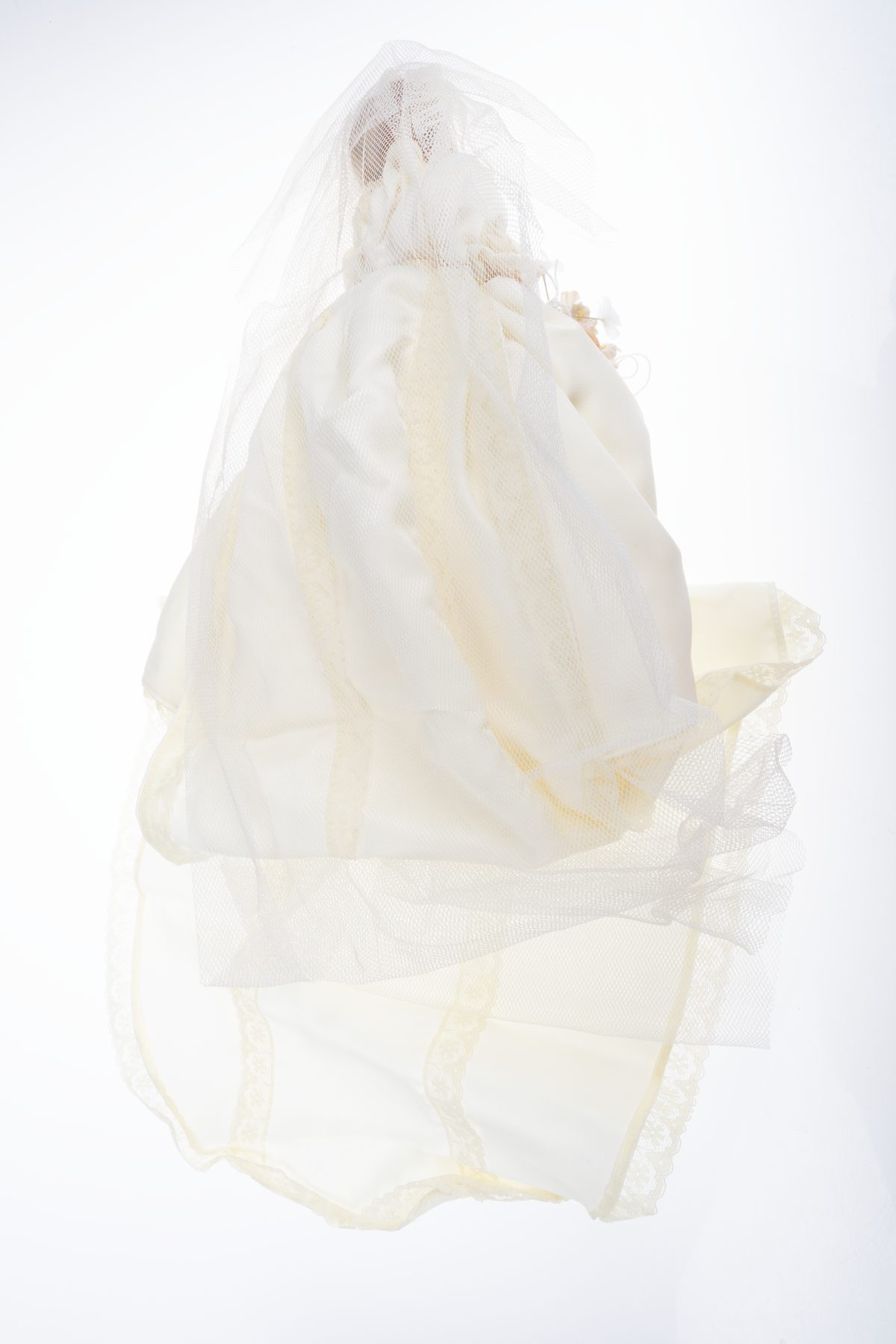
The gown, a creation of the celebrated designer Victor Edelstein, was a silk vision in white. Its beauty was in its simplicity—a masterpiece of understated elegance that whispered of grace as much as it declared it. Embellished with hints of sparkle and accented by Diana’s dignified poise, the gown became more than fabric. It was as if the very essence of the young Princess had woven itself through the threads, infusing the atmosphere with its brilliance.
Understandably, awe fell over the Japanese and British dignitaries alike. Here was a queen of hearts in the making, etching her aura into the monumental echoes of a hall seasoned by centuries of royal voices. It was an evening that would not soon be forgotten.
Victor Edelstein: The Man Behind the Masterpiece
To comprehend the impact of the evening, one must first appreciate the genius craft of Victor Edelstein, a designer heralded for his ability to marry sophistication with simplicity. Edelstein had honed these talents through years of dedication, adorning royalty with creations that made statements without utterances.
Edelstein’s designs for Diana were frequently minimalist but never plain. They often featured restrained palettes that allowed the royal figure to shine, their elegance underpinned by impeccable tailoring and a keen eye for what truly suited the wearer. Collaborating with Diana, Edelstein managed to offer the world these enchanting moments. He understood her luminosity, and through his creations, let it unfurl over audiences who could do little else but admire.
It was, perhaps, this mutual understanding between designer and wearer that allowed Diana to radiate a presence that effortlessly commanded the room. The gown looked as though it belonged only to her, elevating her every movement into a statement— one of elegance, approachability, and gentle magnetism.
An Undeniable Presence at the Banquet
The grandeur of Tokyo’s imperial palace set the stage but did not overshadow the human story unfolding that night. Amid the clinking of crystal glasses and soft notes of classical music, there was an intangible warmth that emanated from the Princess. It is possible to speak of the architectural brilliance of the venue, of the rich textures that lined its walls and the scents weaving through the air, yet all these elements dimmed beside Diana’s effortless glow.
For those who witnessed her presence firsthand, there was a subtle breaking of barriers. Not physically, but through sheer charm, Diana connected with attendees far beyond the formality that royal duties often required. As she glided across the room, she engaged with ambassadors, heads of state, and honoured guests in such a manner that left an indelible impression of goodwill and mutual respect.
A sense of inclusivity pervaded the interactions. It was said among delegates that the Princess had succeeded where diplomacy sometimes struggled, weaving bonds with a simplicity that all too often eludes strategic dialogues. Her aura harmonized the evening, and her allure stood as a testament to the soft power of charisma, complementing the political efforts of her husband, Prince Charles, with elegance and ease.
The Lasting Impact of a Simple Arrival
It was an evening when the attire on a mannequin became a memory etched into many hearts. Princess Diana’s choice of the white Victor Edelstein gown was a quiet counterpoint to the opulence and ceremony that typically define state functions. Yet, it left a legacy that outlasted the evening, embedding itself into the collective recollection of royal milestones.
The sense of innovation Diana brought to her role as Princess extended far beyond fashion. Her style was a battleground where traditional expectations met modern interpretations, inviting the world to watch a transformation unfold in silk and satin. These moments of sartorial brilliance mirrored a deeper human connection that Diana steadfastly pursued and cemented through her charity work and motherly devotion.
From the White Gown Onward
The 1986 state banquet in Tokyo came to symbolize more than an evening of diplomatic exchange. It marked an era where royal duty began to enfold personal warmth, reflecting Diana’s unique place in history—an emblem of an evolving monarchy that embraced change and cherished continuity in equal measure.
Decades later, Diana’s aura continues to inspire. Her enduring legacy reminds us of the power inherent in warmth, humility, and genuine human connection—a power perhaps even more timeless than the institutions that housed it. The memory of the white gown, the glow of that evening, imparts a lasting narrative that connects the past and present.
It reassures us that true elegance does not rest solely in fabric and design but finds its fullest expression in the grace of character. As such, Princess Diana’s presence at the Tokyo banquet exquisitely wove the threads of a legacy that remains, much like the modern monarchy itself, resilient and radiant across the ages.
📷 Photo: L.H and H. Public domain via Wikimedia Commons.