In the shadow of Westminster Abbey, as the nation's excitement swirled for the impending coronation, a king woke to a familiar dread. Unseen by his subjects, King George VI grappled with a challenge more daunting than any regal duty. His stammer, a speech impediment that clung to him since childhood, stood like an immovable barrier between him and his reign. As the world leaned in to listen to their new monarch, it was the unorthodox methods of his speech therapist, Lionel Logue, that would resonate through the corridors of history. In the sanctuary of morning practice sessions, a peculiar therapy unveiled hope: when His Majesty sang, his stammer disappeared, opening a pathway to his voice.
The Stammer and the Stakes
George VI, born Albert Frederick Arthur George, was never intended to step onto the throne. Known as 'Bertie' within the family, he had been the shy, reserved second son of King George V and Queen Mary. Behind the grandeur of royal life, Bertie walked a path fraught with personal battles, none as painful as his struggle with speech.
The pressure of public speaking hung heavily. His brother's unexpected abdication thrust him into a spotlight he had spent years avoiding. As king, every utterance was destined to be amplified, making his long-standing struggle with his stammer a formidable adversary. The stakes were dizzyingly high; his coronation speech in 1937 required an eloquence that seemed intimidatingly out of reach.
Logue's Unconventional Approach
Enter Lionel Logue, an elocutionist from Australia whose methods defied convention but delivered results. He had garnered a reputation for success, using unorthodox techniques that harmonized physical, psychological, and emotional elements. His partnership with George VI became legendary, a dance of trust and technique that sought to marry the king's voice with his inner strength.
"Singing is such a natural relief for tension," Logue once mused, understanding that song tied the technical with the therapeutic.
Each morning, within the privacy of Logue's office, the King of England sang his words, bringing melody to his speech. Logue discovered that the rhythm and flow of singing sidestepped the neurological crux of stammering, allowing the king to express himself fluently. It was a revelation that empowered George VI to face the formidable responsibility ahead.
The Royal Routine
As dawn broke over Buckingham Palace, the retreat into Logue's office became a sacred routine. Far from the pomp of the royal schedule, these sessions were punctuated by a blend of concentration, repetition, and music. The heart of their regimen was not just phonetic practice but a deeper quest for the king to rediscover confidence in his voice.
Logue and Bertie established a rapport that transcended the professional. The Australian's patient encouragement and understanding turned their interactions into genuine camaraderie. Logue stood beside him not just as a therapist but as a friend, navigating the intricacies of court life and royal duty with a blend of empathy and expertise.
This intimacy culminated in a small triumph each morning as the king's resonant tunes filled the room. Singing about royal orders, state matters, or simple phrases, Bertie transcended the confines of his speech impediment. Each session helped transform doubt into determination, underlining the powerful alchemy of courage and compassion.
Crowning Calm and Confidence
As the coronation approached, these morning rituals became integral to Bertie's preparations. The transformation was not instant, nor was it a guaranteed success. Yet, the day came when his voice would be tested before the world.
The coronation at Westminster Abbey on May 12, 1937, unfolded as a historical tapestry of tradition and ceremony. Broadcast across the globe, the occasion promised to amplify any ineloquence or brevity. However, this time, armed not just with sovereign regalia but with confidence fostered by music, George VI spoke with assuredness.
The King's speech resonated as strongly with the masses as it did within the hallowed halls of Westminster. It was celebrated as a triumph of spirit over adversity, with Bertie's own words serving as the bridge between past and promise. In that moment, George VI not only claimed his throne with dignity but also won the hearts of his people through the blend of humility and strength.
A Sacred Legacy
In the years to follow, George VI's reign would see the monarchy through turbulent times, including the trials of World War II. His relationship with Logue, characterized by trust and perseverance, continued to bear fruit long after those early days of challenge. It underscored an era defined by humanity, connecting the royal past with the present. His story is not just history; it echoes the universal journey of overcoming adversity through unexpected paths.
Today, as we reflect on the resilience of King George VI, we are reminded that true leadership is as much about personal battles as it is about public victories. The legacy of his mornings spent singing with Lionel Logue serves as an uplifting reminder of the courage required to lend one’s voice to lead others. Even in the halls of power, it remains a timeless testament to the transformative power of friendship, music, and perseverance.
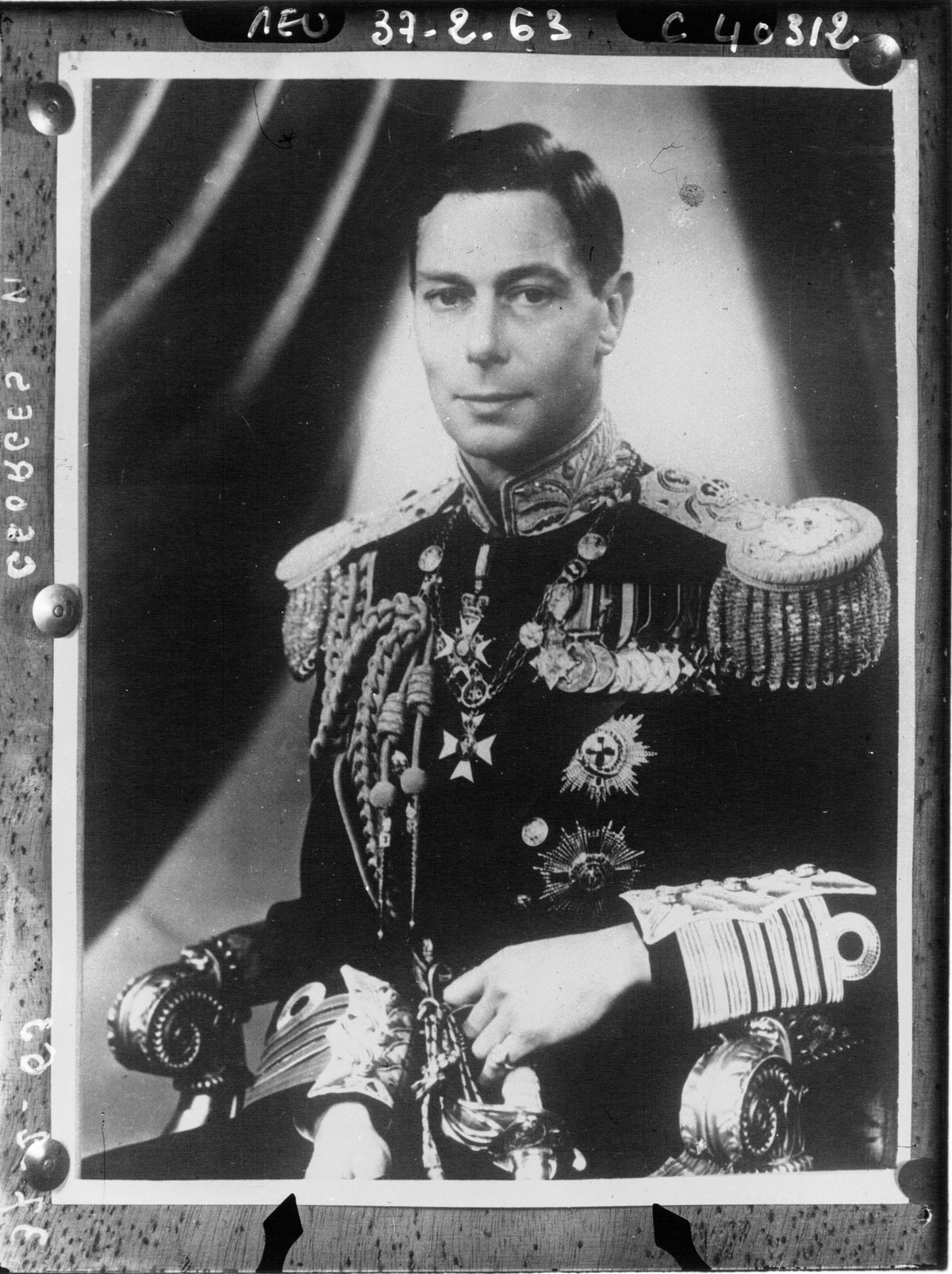
📷 Photo: Agence de presse Meurisse. Agence photographique (commanditaire). Public domain via Wikimedia Commons.